

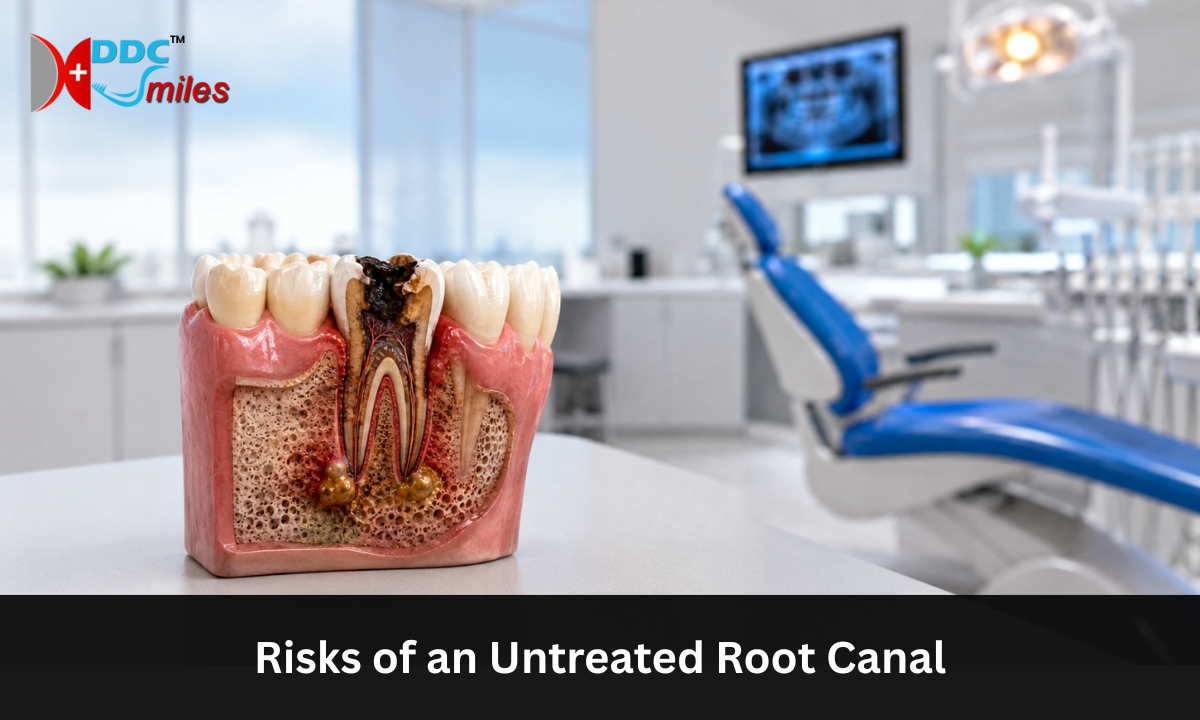
It is completely understandable to feel a wave of anxiety when a dentist informs you that you need a root canal. For many patients, the immediate reaction is to postpone scheduling the appointment, hoping the dull ache will simply fade away on its own.
While putting off treatment might offer temporary peace of mind today, ignoring an infected tooth guarantees severe, escalating complications tomorrow. An untreated root canal condition does not resolve itself; instead, it allows a highly aggressive bacterial infection to quietly expand beneath the surface of your smile. Seeking timely care from a trusted Dental Hospital in Koramangala and HSR Layout can help prevent the infection from worsening and protect your long-term oral health.
When you ignore a deeply decayed tooth, you are not just delaying a routine dental procedure; you are allowing a progressive bacterial invasion to damage your surrounding oral anatomy.
We witness firsthand how quickly a minor, manageable infection can transform into a complex medical emergency. Securing timely Root Canal Treatment in Koramangala and HSR Layout is the only definitive way to permanently eliminate the breeding ground of bacteria, protect your natural teeth, and safeguard your entire systemic health before the damage spreads beyond repair.
Let us look past the initial hesitation and examine exactly what occurs inside a neglected tooth, followed by the ten critical risks every patient must understand.
Key Points at a Glance
1. The Illusion of Healing: A sudden drop in tooth pain does not mean the infection has cleared; it usually means the internal nerve has died, allowing the bacteria to move deeper.
2. Bone Dissolution: Left unaddressed, oral bacteria will trigger severe inflammation that directly dissolves the jawbone anchoring your tooth.
3. Structural Weakness: An untreated tooth quickly becomes hollow, brittle, and highly susceptible to permanent vertical fractures under normal chewing pressure.
4. Systemic Spread: Bacteria from a neglected tooth root can easily enter your blood vessels, leading to chronic body-wide inflammation or dangerous systemic conditions.
5. The Microscopic Solution: Modern root canal therapy is practically painless, fast, and highly successful when performed under specialized dental microscopes.
Medical Disclaimer
The information provided in this article is strictly for educational purposes and does not replace professional medical advice, formal diagnosis, or specialized clinical treatment. Always consult directly with a qualified endodontist or dentist regarding your specific physical symptoms, health concerns, and suitability for advanced root canal therapy. Never ignore medical warnings or delay seeking professional care based on the contents of this guide.
What Exactly Happens When You Delay Treatment?
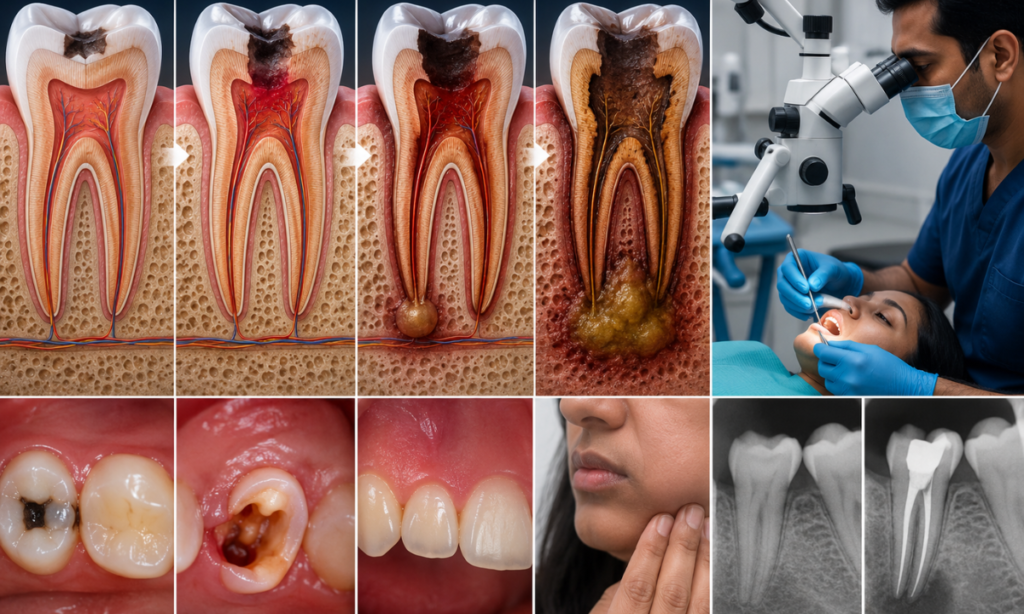
To truly understand the severe complications of delayed root canal treatment, you first have to understand the anatomy of your smile. A natural tooth is not just a solid block of bone. Beneath the hard white enamel lies a soft, living core called the pulp, which houses sensitive nerves and delicate blood vessels.
When a deep cavity or a crack is left unaddressed, highly aggressive bacteria easily breach the outer shell and invade this protected inner chamber. Once inside, the bacteria find a warm, nutrient-rich environment where they multiply exponentially.
This bacterial invasion triggers a very specific and dangerous biological timeline inside your mouth.
| Infection Stage | What is Happening Inside the Tooth | What You Physically Feel |
| Stage 1: The Initial Breach | Bacteria slowly eat through the hard outer enamel and reach the softer dentin layer beneath. | You might feel mild sensitivity when drinking cold water or eating sweet foods. |
| Stage 2: Pulp Chamber Invasion | The bacteria successfully enter the living nerve center, causing severe inflammation and trapped gas pressure. | You experience intense, constant throbbing and severe pain when biting down. |
| Stage 3: Complete Nerve Death | The immense bacterial pressure completely suffocates and kills the living nerve tissue inside the tooth. | The Dangerous Trap: The pain suddenly vanishes, tricking you into believing the tooth has miraculously healed. |
| Stage 4: Deep Bone Spreading | With the nerve dead, the infection silently travels down the root canals and directly into your jawbone. | Deep pressure returns, accompanied by swelling, foul tastes, and severe structural damage. |
That third stage is where most patients make a critical medical mistake. When the pain temporarily stops, they cancel their dental appointments. However, the infection has not disappeared; it has simply moved deeper into the body. By the time the pain returns in the fourth stage, the damage is extensive and much harder to treat.
The only way to completely halt this destructive biological timeline is through immediate clinical intervention. By utilizing advanced Micro Endodontics Treatment in Koramangala and HSR Layout, our specialists can physically look inside your tooth using high-powered microscopes.
This allows us to perfectly clean out the multiplying bacteria and seal the root long before the infection has a chance to reach your jawbone. Intercepting the bacteria early is the key to preserving your natural tooth and avoiding the ten critical risks that follow.
The Localized Risks
The destructive biological timeline triggered by an unaddressed infection creates immediate havoc inside your mouth. When bacteria are left to multiply within the confined, rigid walls of a tooth, the consequences rapidly escalate from mild discomfort to severe structural emergencies.
Here are the first three critical risks that occur directly at the site of the infection:
1. Severe and Unpredictable Pain
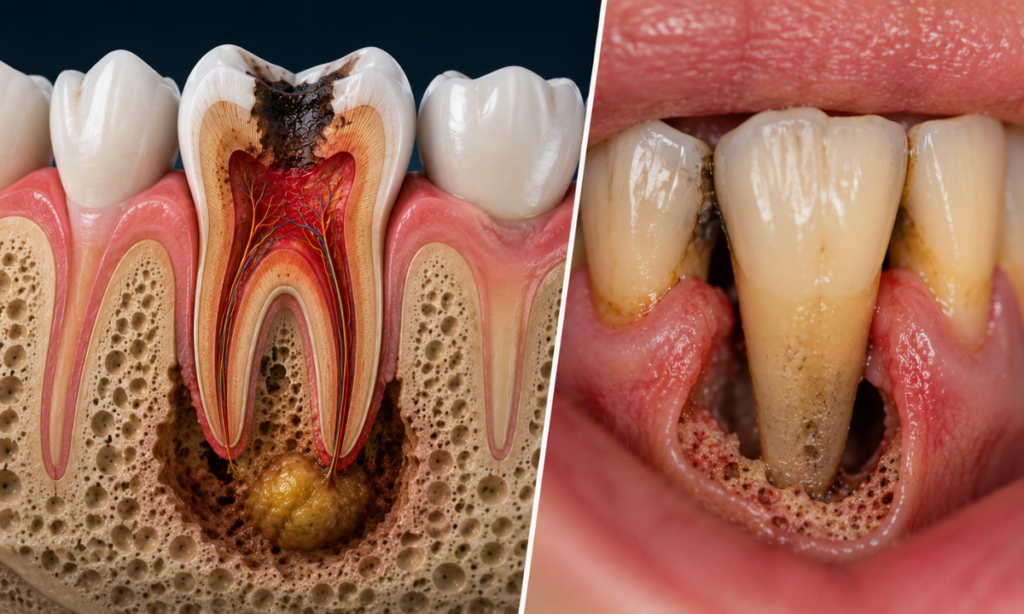
As bacteria consume the living pulp, they release gases that become completely trapped inside the hard layers of the tooth. As enamel cannot expand, this creates immense internal pressure.
This pressure pushes directly against your dental nerve endings, resulting in a relentless, sharp, or throbbing ache that can strike without warning. This pain frequently radiates across your entire jaw, up into your ear, and across your face, making basic daily actions like sleeping, speaking, or concentrating completely impossible.
2. The Formation of a Dental Abscess
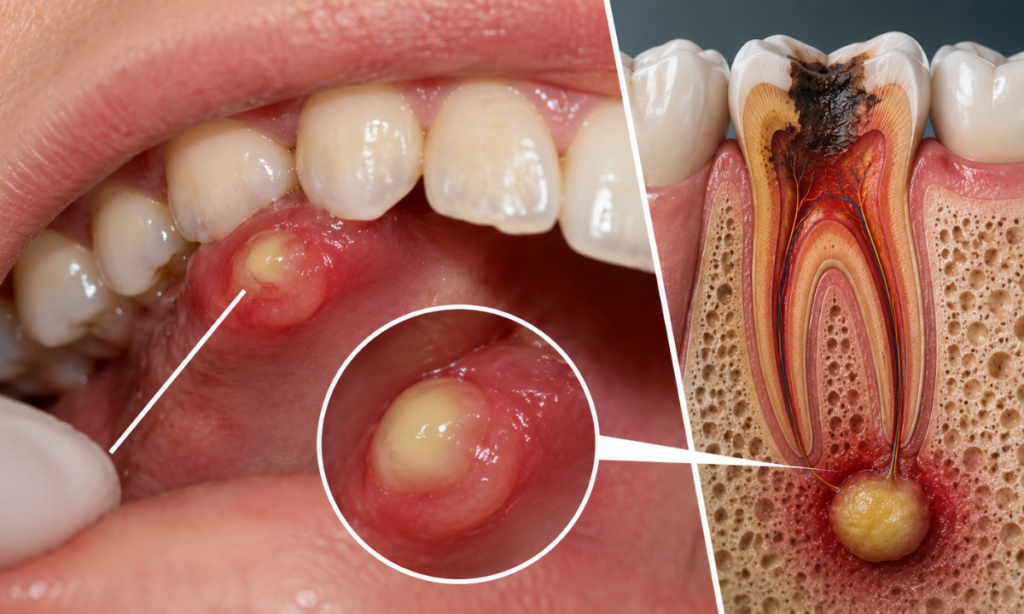
When the infection destroys the inner nerve, the multiplying bacteria seek an exit path and travel down the narrow root canals to the base of the tooth.
This leads directly to the formation of a dental abscess, a localised, highly painful pocket of pus wrapped around the root tip. An abscess causes significant swelling of the surrounding gum line, visible redness, and intense throbbing. If left untreated, this localized pocket acts as a launching pad for the infection to actively dissolve the nearby tissue.
3. Chronic Foul Breath and Bad Taste
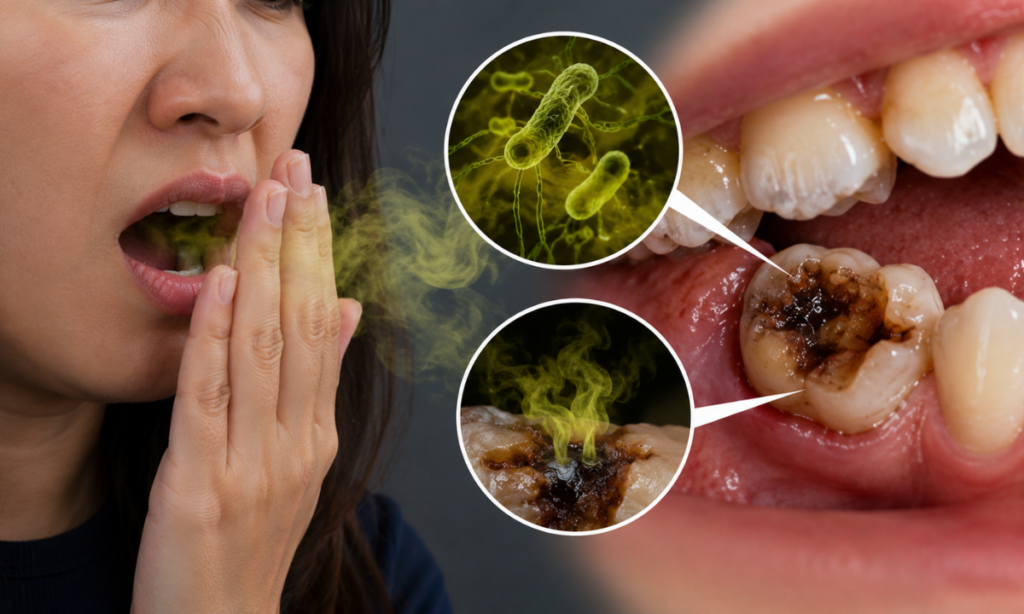
A decaying nerve inside an unaddressed tooth releases highly volatile sulfur compounds and acidic fluids. These foul fluids consistently leak out through microscopic cracks in your enamel or drain directly into your mouth through your gum line.
This results in a persistent, highly unpleasant bitter taste on your tongue and severe, chronic bad breath (halitosis) that cannot be masked or eliminated by regular brushing, flossing, or strong mouthwashes.
The Structural and Bone Risks
While the initial localized pain is often what drives patients to the dentist, the silent damage occurring beneath the gums is far more destructive.
When an infected nerve dies, and the immediate pain vanishes, the bacteria do not stop moving. They travel straight down through the microscopic root canals of your tooth and exit directly into your jawbone. This is where the infection transforms from a simple cavity into a major structural emergency.
Here is exactly how the hidden infection begins to physically dismantle your oral anatomy:
4. Severe Bone Loss in Teeth
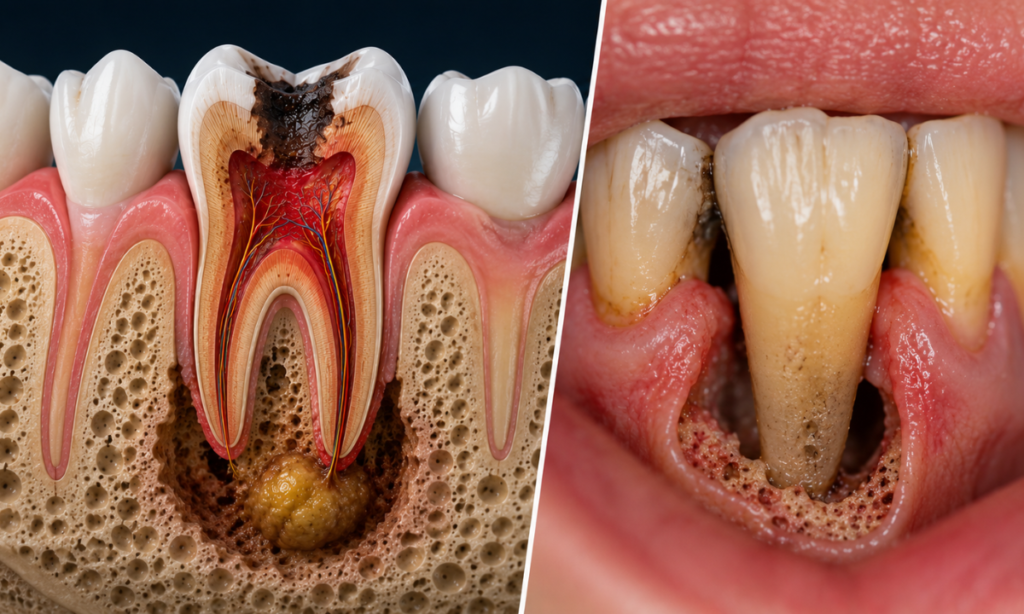
Your teeth do not sit in space; they are firmly anchored in your alveolar bone. When bacterial infection reaches this bone, your immune system launches a highly aggressive inflammatory response to trap the bacteria.
Unfortunately, this intense inflammation inadvertently signals your body to start breaking down its own bone tissue to wall off the infection. This results in severe bone loss in teeth, physically dissolving the dense foundation that holds your smile together. As the bone melts away, the affected tooth becomes incredibly loose and completely unstable.
5. Increased Tooth Fracture Risk
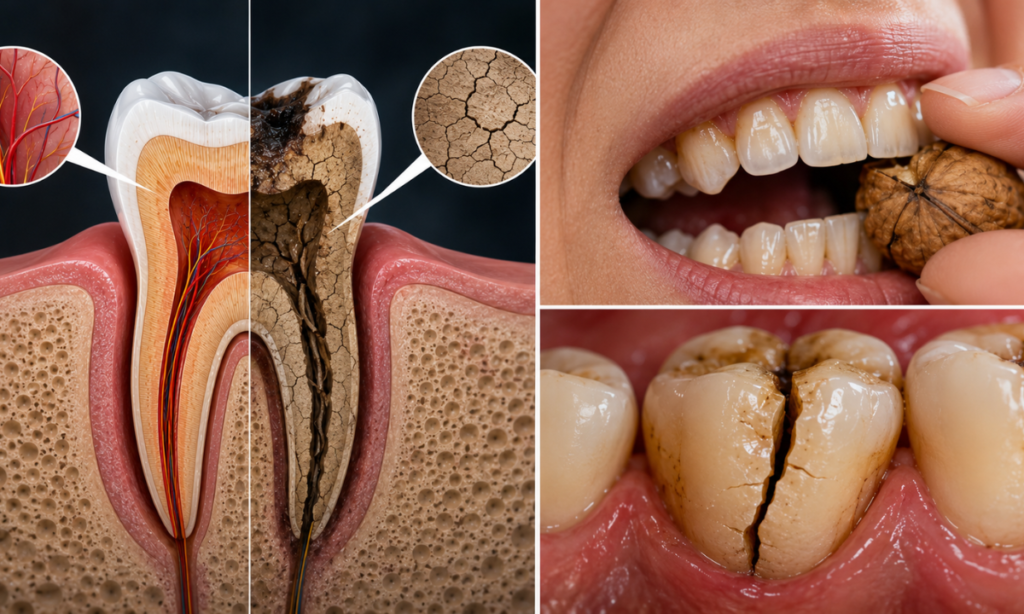
A living tooth is constantly hydrated and nourished by its inner blood supply, giving it a slight natural flexibility that absorbs the heavy forces of daily chewing. When the nerve dies from an infection, that vital moisture supply is completely cut off. The tooth essentially dries out from the inside, becoming hollow, brittle, and highly fragile.
There is a massive Tooth fracture risk after delaying root canal therapy because normal biting pressure, like crunching on a simple nut or ice cube, can instantly cause the weakened enamel to shatter or split vertically down the root. Once a tooth fractures below the gumline, it is often impossible to save.
6. Spreading Infection to Neighboring Teeth
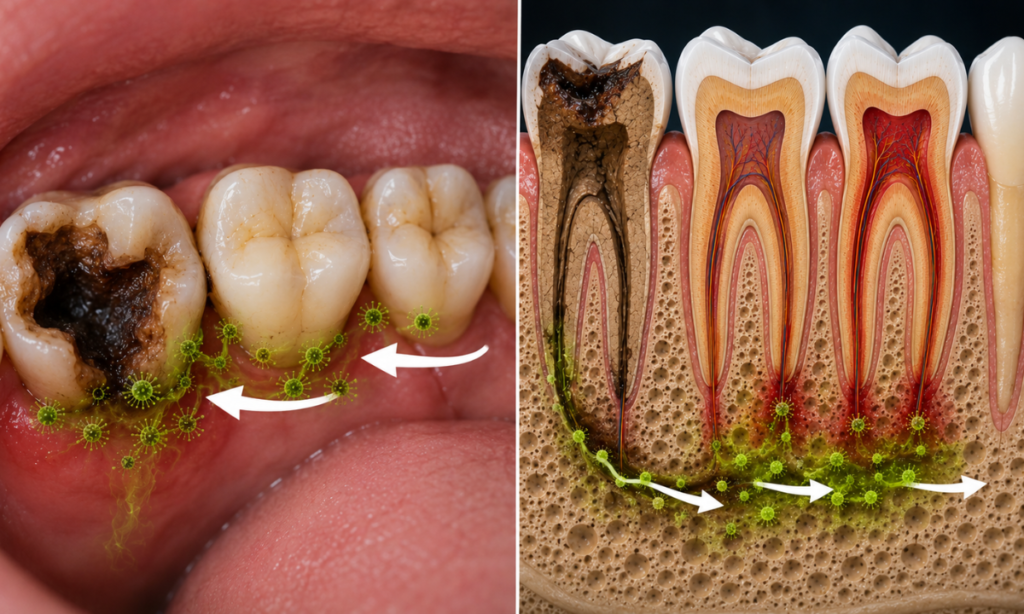
An infection rarely stays confined to a single location. The bacteria that escape from the infected root tip easily travel through the soft tissues of your gums and the interconnected pathways of your jawbone. This means a single ignored cavity can rapidly spread bacteria to the roots of perfectly healthy neighboring teeth.
What started as an isolated issue in one molar can quickly cascade into a multi-tooth crisis, requiring extensive and costly restorative procedures across an entire section of your mouth.
7. Total Tooth Loss
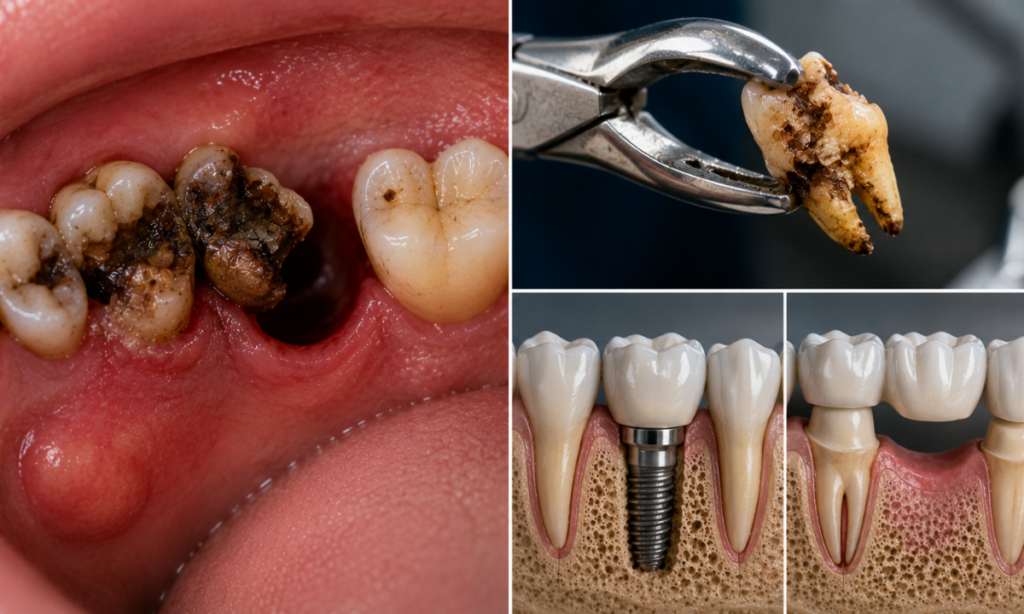
This is the final and absolute structural consequence of delay. When the internal decay is too massive, the bone loss is too severe, or the dried-out tooth simply shatters, preservation is no longer a clinical option.
At this point, surgical extraction is the only way to physically remove the source of the infection. Losing a natural tooth destroys your bite alignment and requires expensive long-term replacements like titanium implants or dental bridges to restore your basic chewing function.
The Health Risks
The human body is an entirely connected system. What begins as an isolated oral infection does not simply stay trapped in your jawbone.
Your mouth is highly vascular, meaning it is directly connected to your body’s vast circulatory network. When a deep dental infection is left unaddressed for too long, the aggressive bacteria eventually find their way into your bloodstream, turning a localized dental issue into a severe, full-body medical crisis.
Here are the final three systemic risks that occur when a root canal infection spreads throughout your entire body:
8. Swelling of the Face, Neck, and Lymph Nodes
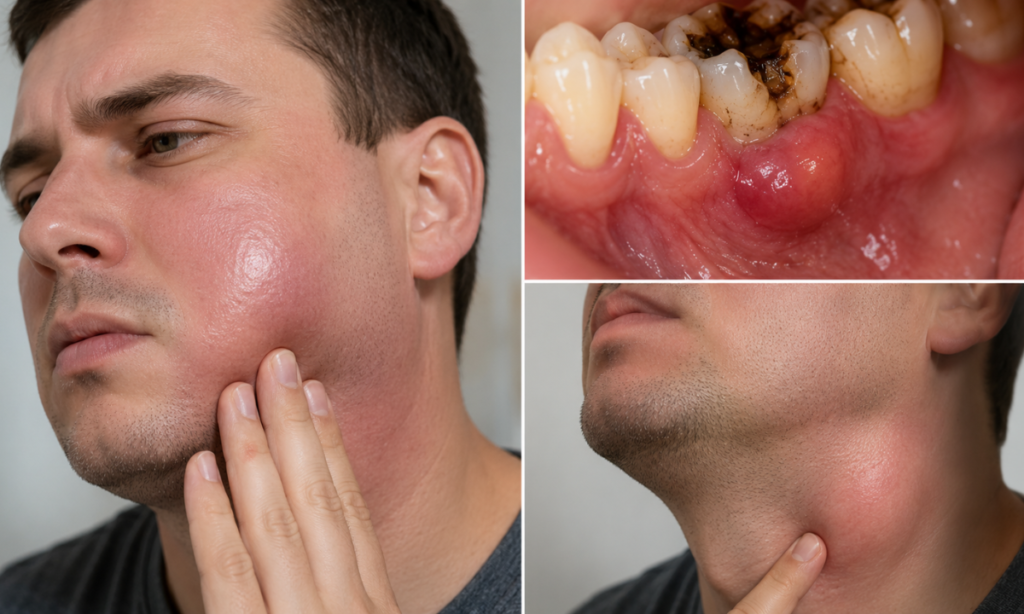
As the bacteria multiply and overwhelm the localized tissue around the tooth, your body triggers a massive immune response to try and contain the spread. This battle between your immune cells and the bacteria quickly causes severe, visible swelling that extends far beyond your gums.
You will often notice significant puffiness spreading across your cheek, traveling down into your neck, and causing your submandibular lymph nodes (the glands right under your jaw) to become hard, swollen, and highly tender to the touch. This widespread swelling is a critical physical warning that the infection is actively trying to move deeper into your head and neck tissues.
9. Chronic Inflammation from Dental Infection

Your immune system is designed to fight off temporary illnesses, not to engage in a permanent, non-stop battle against a continuous leak of oral bacteria.
When you leave a hidden infection for months or even years, it places a massive and unnatural strain on your physical defenses. This constant immune battle leads to Chronic inflammation from dental infection, a condition that essentially exhausts your body. Over time, this systemic inflammation can drastically worsen other existing health conditions, making it much harder for diabetic patients to control their blood sugar, triggering sudden flare-ups in autoimmune disorders, and leaving you feeling constantly fatigued for no obvious medical reason.
10. Bloodstream Infections (Sepsis)
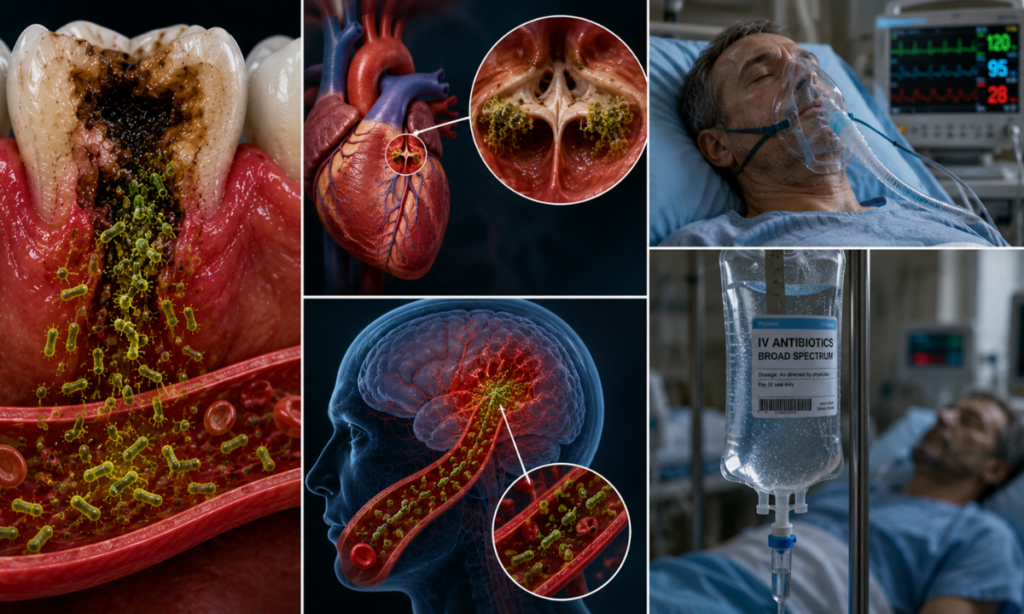
This is the most critical and life-threatening consequence of a delayed dental procedure. When highly aggressive oral bacteria successfully breach your blood vessels, they gain unrestricted access to your entire body. As these bacteria travel freely through your circulatory system, they can attach to the delicate linings of your heart valves (causing a dangerous condition known as endocarditis) or even travel upward toward the brain.
In the most severe cases, this massive bacterial load triggers sepsis as an extreme, full-body inflammatory response where your immune system begins attacking your own organs. What started as a simple, ignored cavity suddenly becomes a true medical emergency requiring immediate hospitalization and aggressive antibiotic therapy.
Why Choose DDC Smiles?
When managing a deep or spreading dental infection, choosing the right treatment center can mean the difference between losing a tooth and saving your smile. DDC Smiles operates as a comprehensive dental center explicitly designed to manage complex endodontic conditions with speed, precision, and absolute comfort.
Patients across Bangalore trust our multi-specialty facilities to handle advanced dental infections for several reasons:
1. Microscopic Visual Accuracy:
Our endodontists utilize high-powered Dental Operating Microscopes. This advanced Micro Endodontics Treatment allows us to locate and completely clear out hidden, microscopic bacterial canals that traditional methods often miss.
2. In-House 3D CBCT Imaging:
We never treat a deep infection blindly. Our advanced 3D CBCT scanning technology lets our specialists view your exact root shapes and jawbone density in three dimensions, making your procedure highly predictable and efficient.
3. Certified MDS Endodontists:
Your root canal is never left to a general dentist. At our clinics, these specialized procedures are exclusively performed by master-level endodontists who have dedicated their careers to preserving natural teeth.
4. Hospital-Grade Sterilization Protocols:
To ensure zero risk of cross-contamination, we enforce a strict 6-step sterilization standard utilizing Class B Autoclaves, providing you with a completely safe and sterile environment.
Combining world-class clinical expertise with a compassionate, patient-first approach, we transform a traditionally feared procedure into a routine, entirely pain-free healing experience.
Conclusion
Postponing an essential dental procedure out of fear or busy scheduling is a very common human reaction, but an infected tooth root simply will not heal on its own. Allowing bacteria to remain trapped within your jawbone turns a straightforward dental issue into a progressive risk to your appearance, your structural alignment, and your overall physical wellness.
Modern endodontics has completely evolved past the outdated, uncomfortable methods of the past. By addressing the root cause of the problem with microscopic technology today, you eliminate the long-term risks of bone loss and systemic infection, preserving your natural smile for a lifetime.
Reference:
1. https://www.nhs.uk/conditions/root-canal-treatment/
2. https://medlineplus.gov/dentalhealth.html
