


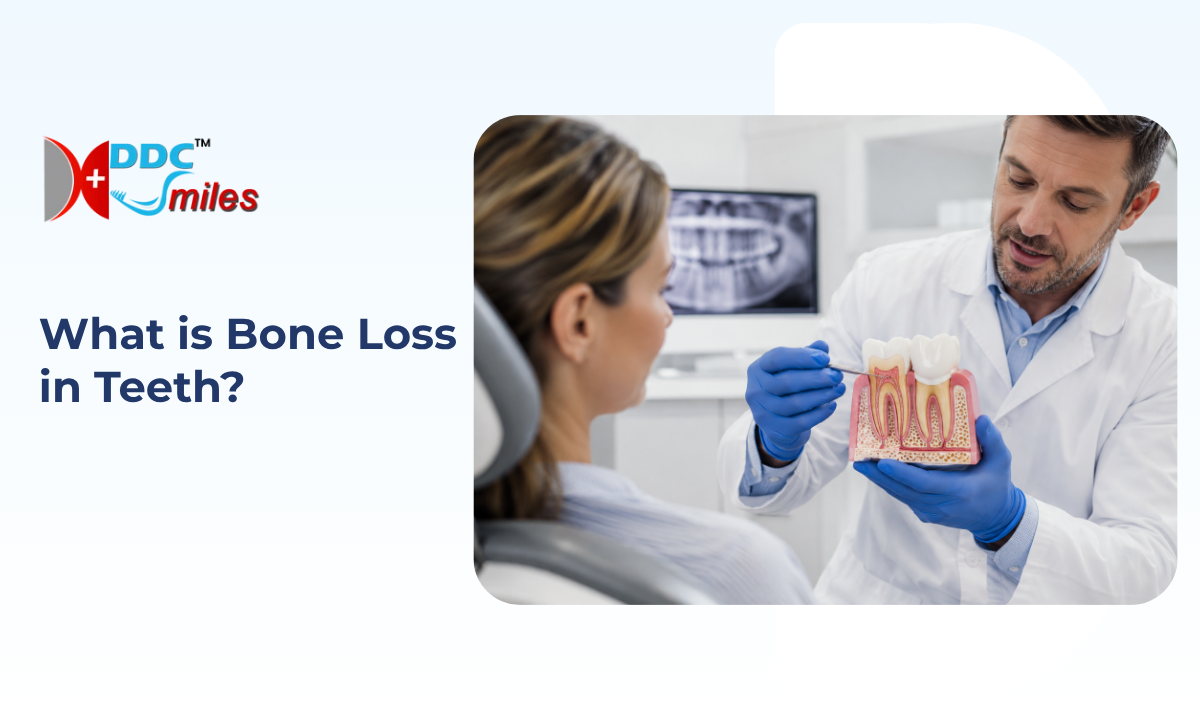
Evaluating the structural integrity of the human dentition strictly requires looking beyond the visible enamel. When patients ask what bone loss in teeth is, they are directly questioning the fundamental biological stability of their entire masticatory system.
Addressing this severe anatomical deterioration frequently requires advanced Gum disease treatment. To completely halt this irreversible destruction, patients must secure an immediate clinical evaluation at a premier Dental Hospital in HSR Layout and Koramangala. At DDC Smiles, our specialized periodontal team identifies the precise microscopic infections driving this underlying jawbone resorption and implements strict clinical protocols to preserve long-term dental function.
The alveolar bone serves as the absolute biological foundation for the primary and permanent teeth. When this specific osseous structure begins to biologically degrade, the entire dental architecture faces imminent mechanical failure.
This comprehensive clinical guide directly addresses the specific physiological and pathogenic variables responsible for this severe structural deterioration. We will rigorously examine the following primary clinical aspects of alveolar bone loss:
- The precise biological triggers and pathogenic bacterial infections are strictly responsible for initiating foundational jawbone resorption.
- The exact clinical warning signs indicate active structural deterioration and the necessity of advanced radiological diagnostic mapping.
- The highly specialized clinical interventions and strict preventive protocols are required to permanently halt further osseous degradation.
Strictly analyzing these exact clinical parameters, patients secure the definitive diagnostic knowledge necessary to pursue highly targeted periodontal correction.
Understanding these specific biological mechanisms represents the absolute first step in maintaining permanent structural dental stability and preventing catastrophic tooth loss.
Primary Physiological Triggers and causes bone loss in teeth
Determining the exact biological origin of alveolar degradation strictly requires analyzing the underlying pathogenic and mechanical environment of the oral cavity. Medical professionals categorize the primary causes of bone loss in teeth into two distinct clinical classifications: aggressive bacterial infections and structural mechanical atrophy.
Understanding these precise biological mechanisms completely dictates the subsequent clinical intervention required to halt further anatomical destruction.
Pathogenic Bacterial Infection (Periodontal Disease)
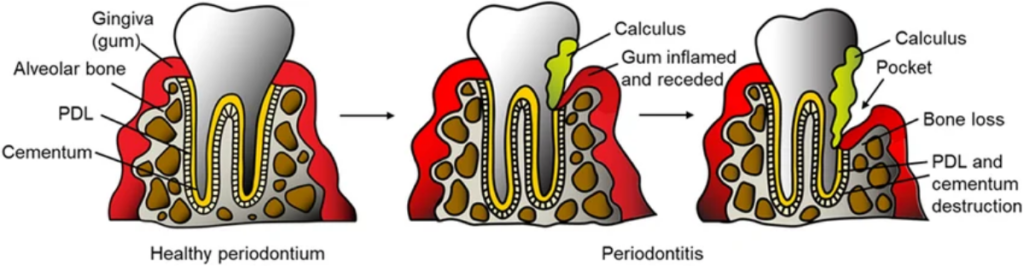
The absolute leading trigger for localized bone destruction is chronic periodontitis. This highly aggressive biological condition initiates when pathogenic bacteria accumulate at the gingival margin, rapidly mineralizing into a rigid calcified matrix known as dental calculus.
As this bacterial biofilm aggressively migrates subgingivally beneath the mucosal tissue, it completely alters the localized microenvironment. The human immune system detects these specific anaerobic pathogens and deploys massive inflammatory cellular responses.
Unfortunately, this chronic biological inflammation strictly triggers localized osteoclasts. These specialized bone-resorbing cells begin completely dissolving the adjacent alveolar bone to physically distance the deeper biological structures from the severe pathogenic infection.
Pathogenic Progression of Periodontal Degradation
| Clinical Phase | Microscopic Pathogen Activity | Alveolar Bone Consequence |
| Chronic Gingivitis | Superficial bacterial accumulation strictly limited to the external mucosal epithelium. | The foundational bone remains completely intact with zero structural degradation. |
| Early Periodontitis | Pathogens physically breach the periodontal ligament, forming deep subgingival biological pockets. | Initial osteoclastic activation causes localized horizontal resorption of the osseous crest. |
| Advanced Periodontitis | Massive anaerobic bacterial colonization completely overwhelms the localized immune response. | Severe vertical and horizontal bone destruction resulting in catastrophic loss of physical dental support. |
Strictly monitoring this exact pathogenic progression, specialized periodontists can precisely identify the localized severity of the infection.
Intervening during the earliest clinical phases through targeted mechanical debridement completely prevents the catastrophic activation of bone-destroying cellular mechanisms.
Structural Mechanical Atrophy (Edentulism)
Beyond severe bacterial infections, the alveolar bone frequently degrades due to an absolute lack of mechanical stimulation. The underlying jawbone strictly requires continuous physical pressure to maintain its biological density.
When a patient utilizes their biological dentition for standard mastication, the dental roots directly transmit kinetic mechanical forces deep into the foundational bone. This specific physiological stimulation constantly triggers osteoblastic cells to generate new structural osseous tissue. However, when a primary or permanent tooth is completely extracted or avulsed, this critical physical stimulation instantaneously ceases.
Clinical Timeline of Atrophic Resorption
- Acute Phase (0 to 6 Months): Following an exact biological extraction, the surrounding alveolar ridge experiences massive, immediate horizontal and vertical volumetric contraction as localized osteoclasts dismantle the unsupported bone.
- Chronic Phase (1 to 3 Years): Without the physical presence of a dental root, the osseous structure undergoes continuous, irreversible biological degradation.
- Advanced Atrophy (Beyond 3 Years): The basal jawbone structurally flattens, completely altering the surrounding facial anatomy and eliminating the foundational mass strictly required for standard restorative implants.
Clinical professionals strictly emphasize that failing to immediately replace missing biological roots with advanced titanium implants directly guarantees this severe structural collapse.
Recognizing both the pathogenic and mechanical causes of bone loss provides patients with the specific diagnostic knowledge required to aggressively protect their foundational oral anatomy.
Clinical Warning Signs and symptoms of bone loss in teeth
Identifying the initial stages of alveolar degradation strictly requires professional clinical evaluation because the early physiological destruction operates entirely without physical pain.
However, as the localized bacterial infection advances and the osseous destruction breaches critical anatomical thresholds, patients begin to experience highly specific physical manifestations.
Recognizing these exact symptoms of bone loss in teeth represents the critical diagnostic turning point between implementing conservative non-surgical management and requiring advanced surgical extraction.
Clinical periodontists universally categorize the physical manifestations of bone degradation based on the exact structural failure occurring within the oral cavity.
Clinical Matrix of Periodontal Degradation
| Clinical Manifestation | Physiological Mechanism | Direct Physical Indicator |
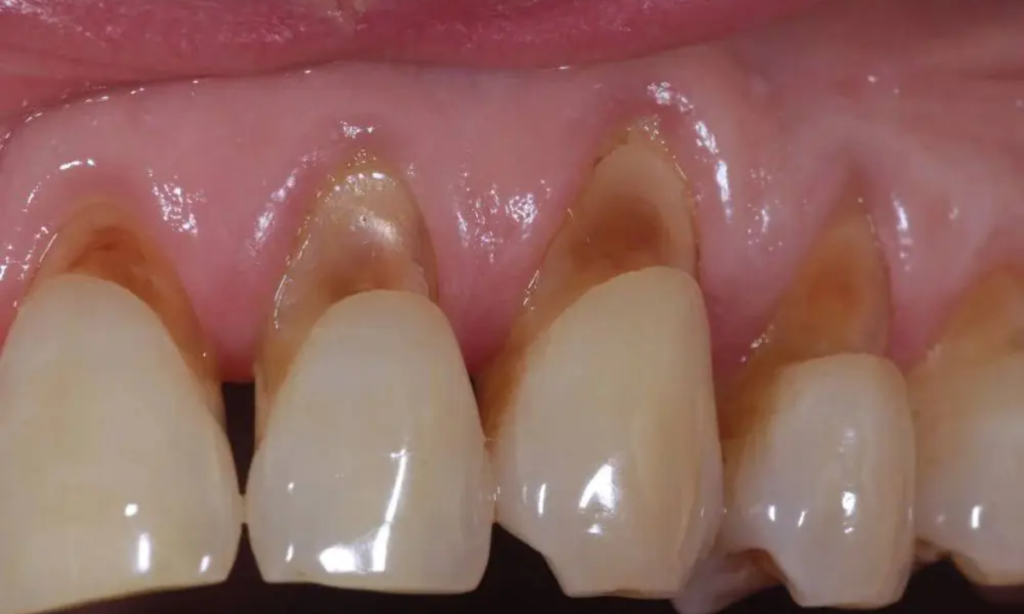
| Severe Gingival Recession | As the underlying alveolar bone biologically resorbs downward, the overlying gingival connective tissue strictly follows the receding osseous crest. | The visible clinical crowns appear highly elongated, and the yellow cementum covering the anatomical dental root becomes physically exposed to the oral environment. |
| Structural Dental Mobility | The complete physical destruction of the periodontal ligament fibers and the supporting alveolar bone socket directly eliminates the rigid mechanical anchor securing the tooth. | The affected teeth physically shift or severely wobble when the patient applies standard masticatory pressure during biological digestion. |
| Pathologic Migration | Destabilized dental roots completely lack the strict osseous boundaries required to maintain physiological alignment. | The permanent teeth begin to physically drift outward, creating newly formed anatomical gaps or overlapping structures where standard alignment previously existed. |
| Chronic Suppuration | The severe biological separation between the gingival tissue and the dental root creates deep anatomical periodontal pockets that trap massive colonies of anaerobic bacteria. | The localized gingival tissues exhibit severe physical inflammation, frequently releasing purulent exudate or localized bleeding upon minimal mechanical provocation. |
Ignoring these specific clinical markers directly guarantees complete structural anatomical failure. When the alveolar bone resorbs beyond the critical apical third of the dental root, the physical tooth completely loses all mechanical load-bearing capacity and strictly requires immediate surgical extraction.
Periodontal specialists meticulously evaluate these exact physical markers during every clinical examination to calculate the precise mathematical level of underlying osseous destruction and immediately formulate an advanced surgical or non-surgical intervention protocol.
Identifying and Halting Structural Degradation
Clinical visual examination only reveals the superficial condition of the gingival tissue. To accurately quantify the exact volume of missing alveolar bone, periodontal specialists strictly require advanced radiological imaging.
When a patient presents with structural mobility or severe tissue recession, the immediate clinical protocol mandates taking a highly specific X-ray of the bone loss in the teeth. This specialized diagnostic radiograph allows medical professionals to physically view the internal structures beneath the dense gingival tissue and rigorously analyze the underlying osseous architecture.
Dental specialists utilize multiple distinct radiological modalities to map the exact progression of the pathogenic destruction.
Radiological Diagnostic Modalities
| Imaging Technology | Diagnostic Scope | Clinical Application |
| Bitewing Radiographs | Highly localized two-dimensional imaging. | Strictly utilized to evaluate the precise interproximal crestal bone levels directly between adjacent posterior teeth. |
| Orthopantomogram (OPG) | Comprehensive two-dimensional panoramic visualization. | Provides a complete global assessment of the entire maxillary and mandibular bone structure simultaneously. |
| Cone Beam Computed Tomography (CBCT) | Advanced three-dimensional volumetric mapping. | Generates an exact anatomical cross-section, strictly revealing complex buccal and lingual osseous defects that standard two-dimensional imaging completely obscures. |
Meticulously analyzing these specific radiological images, clinical specialists can mathematically measure the exact millimeter depth of the osseous destruction.
This absolute clinical data directly dictates whether the patient requires standard non-surgical debridement or highly advanced surgical osseous regeneration.
Once the diagnostic mapping is completely finalized, the clinical focus immediately shifts toward absolute biological preservation. Understanding exactly how to prevent bone loss in teeth strictly requires a rigorous combination of specialized professional intervention and highly disciplined personal periodontal maintenance.
As physiological alveolar bone does not naturally regenerate once thoroughly destroyed by pathogenic bacterial infection, completely halting the disease progression represents the primary medical objective.
Periodontists deploy a highly specific sequence of structural preservation protocols to arrest the localized tissue destruction.
Structural Preservation and Intervention Matrix
| Intervention Category | Specific Clinical Action | Biological Objective |
| Non-Surgical Debridement | Deep Scaling and Root Planing. | Physically stripping calcified pathogenic calculus and bacterial biofilm directly from the deep subgingival root surfaces to eliminate the primary infection source. |
| Prosthetic Stimulation | Immediate Dental Implant Placement. | Inserting specialized titanium fixtures directly into the basal bone where natural teeth are missing to provide the continuous mechanical masticatory stimulation required to maintain bone volume. |
| Antimicrobial Management | Localized Pharmacological Delivery. | Placing highly specific antibiotic agents directly into the deep anatomical periodontal pockets to completely eradicate persistent anaerobic bacterial colonies. |
| Mechanical Hygiene | Strict Interdental Cleaning Protocols. | Utilizing precise interproximal brushes and dedicated water flossers to permanently disrupt daily bacterial accumulation before it structurally calcifies. |
Executing these highly specific medical protocols strictly guarantees that the underlying jawbone retains its required structural density. Patients must completely adhere to these professional recommendations and maintain highly frequent routine clinical prophylaxis to permanently secure their biological dentition and completely prevent catastrophic mechanical failure.
Why Choose DDC Smiles?
Addressing severe alveolar bone deterioration strictly requires elite diagnostic infrastructure and highly specialized surgical execution. When patients select DDC Smiles, they secure immediate access to premier periodontal facilities.
Our specialized clinical team operates under the direct medical leadership of Dr H.J. Jaikrishna, ensuring every single regenerative protocol strictly adheres to the highest international dental safety standards.
Our dedicated clinical departments provide several definitive advantages for managing complex osseous degradation.
- Advanced Diagnostic Infrastructure: Our facilities feature exclusive in-house 3D CBCT scanning technology. This advanced radiological equipment provides absolute millimeter precision for diagnostic bone mapping, eliminating the need for patients to visit external radiological diagnostic centers.
- Elite Specialist Interventions: Complex structural preservation protocols and advanced implant placements undergo strict clinical management by our highly specialized endodontic and orthodontic experts, including Dr Abhishek M A and Dr Vijaya N Reddy. This strict multidisciplinary oversight guarantees precise mechanical execution and long-term foundational stability.
- Strict Biological Safety: Every single clinical instrument undergoes a rigorous five-level sterilization protocol. This critical procedure completely eradicates pathogenic contamination and guarantees absolute biological safety during highly complex periodontal surgeries.
Choosing DDC Smiles, patients guarantee that their structural osseous correction receives strictly specialized management utilizing the most advanced medical technology available within the metropolitan region.
Conclusion
Alveolar bone loss represents a severe structural emergency that never biologically resolves without professional medical intervention. Recognizing the early clinical warning signs and securing advanced radiological imaging provides the absolute foundation for preventing catastrophic tooth loss. Delaying clinical evaluation strictly guarantees continued anatomical destruction and irreversible mechanical failure.
Do not wait for advanced structural mobility or severe localized suppuration to develop. Contact the specialized periodontal coordination team at DDC Smiles today to establish your definitive diagnostic baseline, implement highly targeted regenerative protocols, and permanently secure your foundational dental architecture.
