

Evaluating structural dental alignment requires highly precise clinical intervention. When patients identify a gap between teeth, securing an advanced evaluation at a specialized Dental Hospital in Koramangala and HSR Layout directly prevents long-term functional deterioration. At DDC Smiles, our orthodontic team utilizes advanced diagnostic mapping to completely resolve severe anatomical spacing.
Whether implementing highly precise Clear Aligners treatment or advanced structural restorative protocols, understanding the exact biological mechanisms driving this specific physical mismatch represents the absolute foundation of successful clinical correction.
This comprehensive medical guide directly addresses the specific clinical parameters required to eliminate abnormal dental spacing. We will examine the following primary clinical aspects of diastema management:
- The precise biological and genetic variables that physically force primary teeth apart during physiological developmental stages.
- The specific mechanical orthodontic forces are strictly required to safely move anatomical structures into optimal alignment.
- The exact restorative clinical interventions utilized to permanently rebuild missing dental anatomy and close severe structural spaces.
Analyzing these specific physiological parameters, patients secure the definitive diagnostic data necessary to pursue highly targeted dental correction and establish long-term structural stability.
Defining Pathology and What is a Diastema?
Answering the critical clinical question regarding why the gap between teeth occurs and how to fix the gap between teeth strictly requires analyzing specific developmental dental anatomy.
Medical professionals do not define this condition simply as a cosmetic variation. They explicitly classify a diastema as a measurable structural space exceeding 0.5 millimeters between the proximal surfaces of two adjacent teeth.
This precise anatomical discrepancy absolutely dictates the required orthodontic or restorative intervention necessary to establish optimal physiological function and structural stability.
The human masticatory system relies on exact dimensional proportions to function correctly. A diastema primarily develops when a fundamental mathematical mismatch exists between the foundational jawbone dimensions and the physical size of the erupting teeth.
If the maxillary or mandibular basal bone arch is structurally too large, or the individual width of the primary or permanent teeth is biologically too small, the dentition physically cannot fill the available anatomical space.
To accurately evaluate this structural condition, clinical orthodontists categorize spacing anomalies based strictly on their specific anatomical location and physical distribution.
Clinical Classification of Dental Spacing
| Spacing Classification | Anatomical Location | Primary Clinical Presentation |
| Maxillary Midline Diastema
| Strictly between the central incisors of the upper dental arch. | A distinct, singular space directly localized within the primary anterior aesthetic zone. |
| Generalized Diastema
| Distributed across multiple adjacent teeth throughout the entire dental arch. | Uniform spacing resulting from a severe global discrepancy between total tooth volume and overall jaw dimension. |
| Localized Spacing
| Restricted to a specific posterior or anterior anatomical quadrant. | Irregular gaps strictly caused by isolated missing biological teeth or highly localized microdontia. |
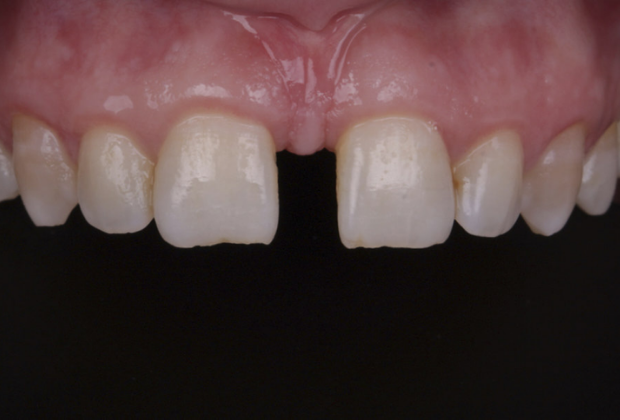
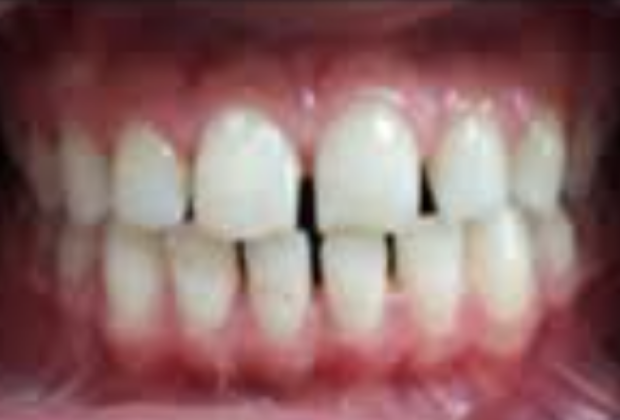
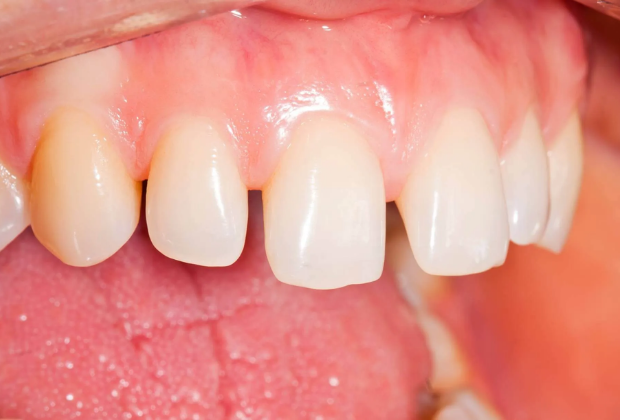
Categorizing the specific anatomical location and physical volume of the spacing, specialized dental professionals can determine the precise structural deficiency.
This objective clinical classification eliminates diagnostic guesswork and ensures that the subsequent mechanical or restorative treatments directly target the exact biological mismatch.
Primary Physiological Triggers and Causes of Gaps Between Teeth
Identifying the precise origin of a diastema strictly requires advanced diagnostic imaging and thorough clinical evaluation. Medical professionals recognize that severe structural spacing rarely occurs without a highly specific biological trigger.
To accurately establish the exact causes of gaps between teeth, clinical orthodontists categorize these physiological variables into distinct developmental, anatomical, and behavioral classifications. Understanding these exact triggers completely dictates whether the patient requires mechanical orthodontic movement, localized soft tissue surgery, or structural restorative bonding.
Orthodontic specialists universally evaluate patients against a highly specific matrix of pathological and physiological variables to isolate the primary mechanical disruption.
Etiological Classification of Dental Spacing
| Diagnostic Category | Specific Clinical Trigger | Physiological Mechanism |
| Anatomical Tooth Deficiency
| Microdontia | The permanent teeth biologically develop with a severe reduction in physical mesiodistal width. This specific structural deficiency leaves excess anatomical space within a normally dimensioned maxillary bone structure. |
| Congenital Agenesis
| Hypodontia | Specific permanent teeth completely fail to biologically develop within the basal bone. This anatomical absence forces the surrounding adjacent dentition to physically drift and permanently separate into the unoccupied osseous territory. |
| Soft Tissue Hypertrophy
| Enlarged Labial Frenum | A highly thick band of mucosal connective tissue attaches improperly deeply between the central incisors. This dense structural barrier physically prevents the two adjacent teeth from achieving standard proximal contact during biological eruption. |
| Periodontal Pathology
| Severe Alveolar Bone Resorption | Chronic bacterial infection destroys the foundational osseous support structure. This severe biological loss causes the unsupported anterior teeth to physically flare outward and aggressively separate under standard masticatory pressure. |
| Myofunctional Disruption
| Continuous Tongue Thrusting | An abnormal infantile swallowing reflex forces the massive lingual muscle directly against the internal surfaces of the anterior teeth. This constant mechanical pressure physically pushes the dental structures apart over an extended timeline. |
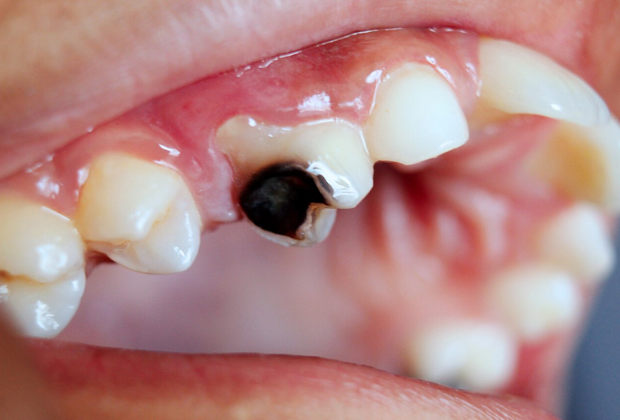
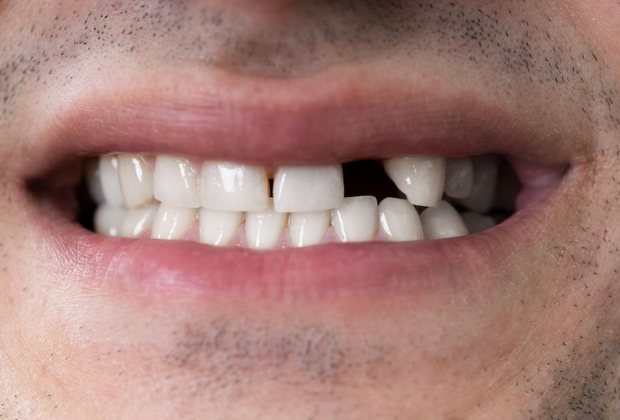
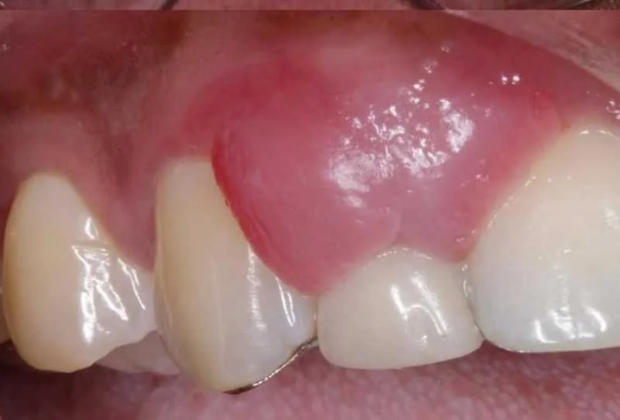
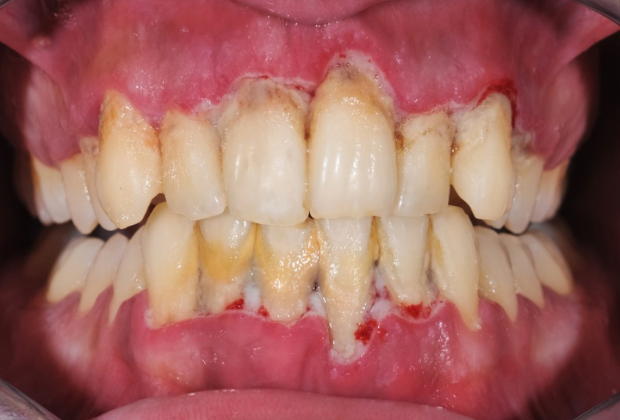
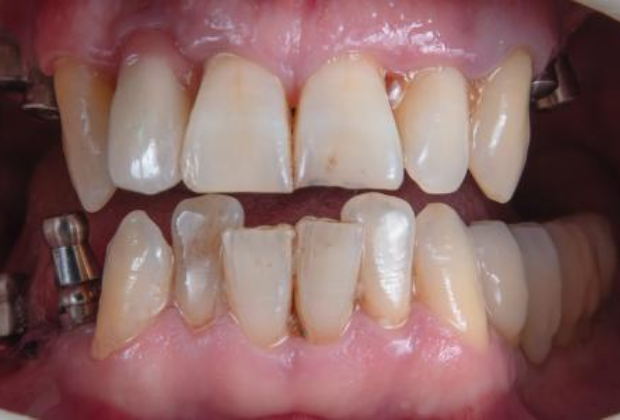
Clinical specialists at our facility conduct rigorous 3D evaluations to isolate these exact physiological variables. Identifying the primary biological cause completely dictates the subsequent medical intervention.
For instance, a diastema strictly caused by soft tissue hypertrophy absolutely requires a highly precise surgical frenectomy before any mechanical orthodontic forces can successfully close the anatomical space.
Directly treating the underlying physiological trigger rather than just the visual symptom, specialized dental professionals guarantee absolute long-term structural stability and completely prevent future orthodontic relapse.
Advanced Orthodontic Solutions and Moving Anatomical Structures
When a diastema originates from a fundamental discrepancy in dental arch dimensions or severe tooth malposition, medical professionals strictly rely on mechanical orthodontic forces to physically relocate the anatomical structures.
Orthodontic movement is not a simple physical shift. It is a highly complex biological process requiring the continuous application of calibrated pressure to initiate localized cellular remodeling within the foundational alveolar bone.
As sustained mechanical force is applied directly to the dental crown, specialized osteoclastic cells dissolve the rigid bone in the direction of the movement. Simultaneously, osteoblastic cells generate completely new osseous tissue in the resulting structural tension zone.
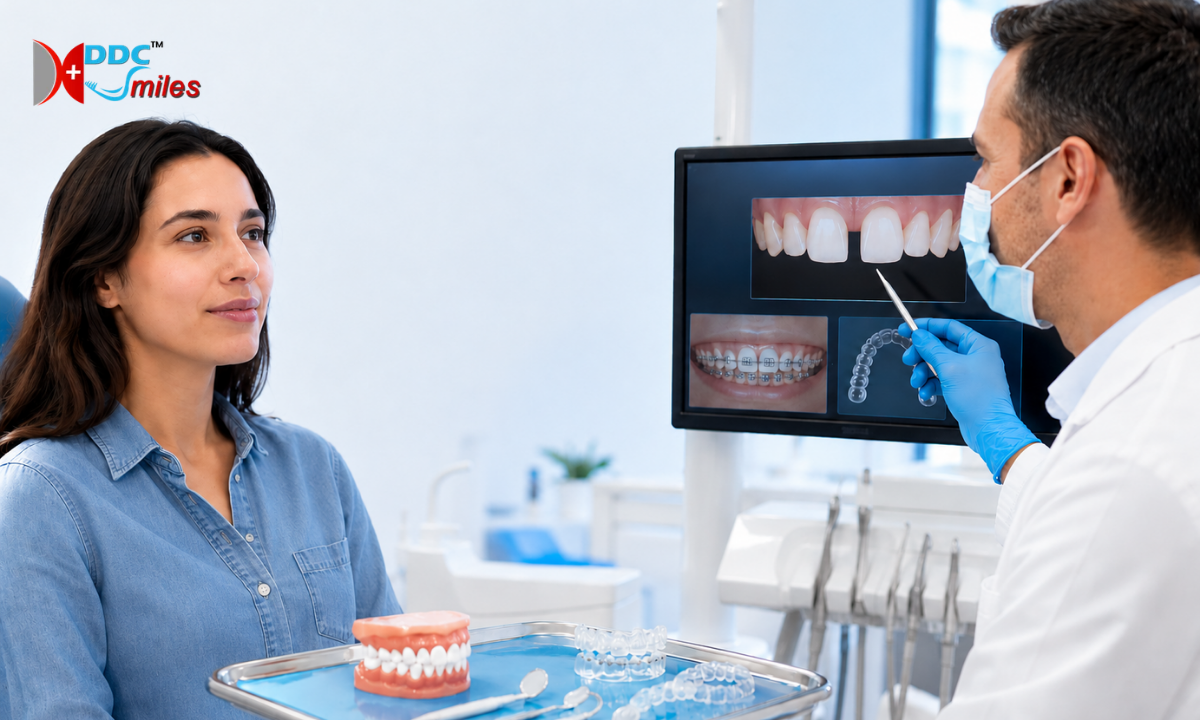
To achieve this precise biological remodeling and successfully close severe structural spaces, clinical orthodontists at DDC Smiles strictly utilize two primary categories of advanced mechanical systems.
Clear Aligners Treatment
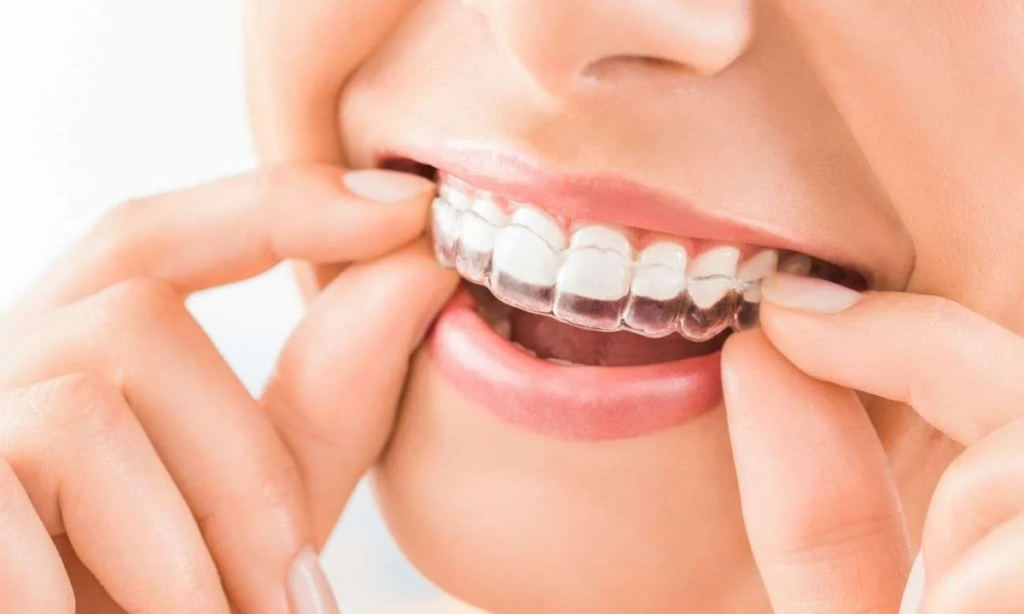
The application of sequential thermoplastic aligners represents a highly advanced clinical methodology for correcting mild to moderate anatomical spacing.
This precise system utilizes digital 3D CBCT mapping to accurately calculate the exact spatial trajectory required for every individual tooth. The patient receives a consecutive series of custom-fabricated, transparent polymer trays.
Each specific tray is structurally engineered to exert continuous, micro-calibrated pressure on the targeted teeth, forcing them to physically move a fraction of a millimeter per prescribed stage. This exact digital control completely prevents the application of excessive biological force, thereby minimizing the risk of root resorption and strictly preserving fundamental periodontal health.
Fixed Orthodontic Bracket Systems
When patients present with severe, generalized spacing or require complex bodily translation of the entire dental root structure, specialized orthodontists frequently mandate fixed bracket systems. This structural intervention involves bonding ceramic or metal brackets directly to the facial surfaces of the primary teeth.
Specialized continuous archwires are then securely engaged within these rigid brackets. To specifically close a diastema, clinical professionals utilize highly active elastomeric power chains that continuously span across the structural gap. These specific elastomeric components deliver immediate, sustained contractile force, physically drawing the divergent teeth directly toward the central anatomical midline.
Clinical Comparison of Orthodontic Modalities
| Clinical Parameter | Clear Aligners Treatment | Fixed Bracket Systems |
| Force Application | Sequential, digitally calibrated thermoplastic pressure is distributed uniformly across the entire clinical crown. | Continuous, active mechanical tension is delivered specifically through engaged archwires and elastomeric chains. |
| Treatment Duration | Highly efficient for localized spacing, generally requiring six to twelve months of continuous patient wear. | Strictly dependent on the severity of the generalized spacing, it frequently spans twelve to eighteen months of active adjustment. |
| Structural Maintenance | Requires strict patient compliance regarding tray insertion and absolute removal during primary mastication. | Demands rigorous, continuous periodontal hygiene to completely prevent localized bacterial accumulation around the bonded structures. |
Regardless of the specific mechanical system utilized to successfully close the diastema, the clinical intervention is never completely finished upon achieving standard proximal contact.
The localized gingival connective fibers possess a highly aggressive structural memory that continuously attempts to pull the teeth back into their original, separated positions. To absolutely prevent this severe orthodontic relapse, medical professionals universally mandate the immediate installation of a permanent fixed lingual retainer.
This precise structural metal splint is bonded directly to the interior surfaces of the newly corrected teeth, guaranteeing absolute, long-term biological stability and permanent space closure.
Restorative Clinical Interventions
When anatomical spacing strictly results from microdontia or structural enamel defects, mechanical orthodontic movement alone cannot completely resolve the clinical presentation.
In these specific physiological scenarios, specialized prosthodontists strictly utilize advanced restorative protocols to permanently rebuild the missing anatomical volume. This process involves permanently bonding engineered biomaterials directly to the existing biological tooth structure.
This intervention physically increases the mesiodistal width of the teeth and immediately closes the localized diastema. Clinical professionals at DDC Smiles rigorously evaluate specific structural load requirements and baseline enamel density to select the exact restorative modality.
Comparative Analysis of Restorative Biomaterials
| Restorative Modality | Material Composition | Clinical Application | Structural Longevity |
| Direct Composite Bonding | Highly moldable photo-polymerized acrylic resin. | Immediate chairside application to precisely sculpt missing proximal anatomy directly onto the tooth surface. | Provides moderate durability requiring routine professional polishing and potential structural replacement after five to seven years. |
| Emax Ceramic Veneers | Ultra-thin pressed lithium disilicate glass-ceramic. | Permanently bonded to the facial surface of the anterior teeth to completely reconstruct aesthetic proportions and seal wide gaps. | Delivers exceptional structural durability and superior optical translucency with a clinical lifespan strictly exceeding ten to fifteen years. |
| Zirconia Dental Crowns | Monolithic milled zirconium dioxide crystalline structure. | Utilized specifically when the primary tooth exhibits severe structural damage alongside the anatomical spacing. | Represents the absolute highest mechanical fracture resistance available in modern clinical prosthodontics. |
Selecting the precise restorative material completely depends on the baseline volume of the biological enamel and the required masticatory load capacity. For immediate and minimally invasive corrections, direct composite bonding strictly follows a highly rigorous clinical execution protocol.
Standardized Clinical Protocol for Direct Bonding
- Anatomical Isolation: The clinical operator utilizes a specialized elastomeric rubber dam to completely isolate the targeted teeth from oral moisture and biological bacterial contamination.
- Surface Preparation: The superficial enamel undergoes microscopic chemical etching using a precise phosphoric acid solution to create a highly retentive structural surface pattern.
- Material Application: The specialized prosthodontist precisely layers the composite resin directly onto the proximal surfaces to physically close the anatomical gap.
- Photo-Polymerization: A high-intensity curing light specifically activates the chemical photo-initiators within the resin. This instantly hardens the material into a rigid structural state.
Strictly adhering to these advanced restorative protocols, dental professionals successfully reconstruct the proper anatomical dimensions. This completely seals the diastema and permanently restores optimal physiological masticatory function.
Securing Orthodontic Excellence at DDC Smiles
Addressing severe dental spacing strictly requires elite diagnostic infrastructure and highly specialized clinical execution. When patients select DDC Smiles, they secure immediate access to premier dental facilities conveniently located in Koramangala and HSR Layout.
Our specialized clinical team operates under the direct medical leadership of Dr H.J. Jaikrishna, ensuring every single procedural protocol strictly adheres to the highest international dental safety standards.
Our dedicated clinical departments provide several definitive advantages for managing complex anatomical alignment issues.
- Advanced Diagnostic Infrastructure: Our facilities feature exclusive in-house 3D CBCT scanning technology. This advanced radiological equipment provides absolute millimeter precision for diagnostic mapping, eliminating the need for patients to visit external radiological diagnostic centers.
- Elite Specialist Interventions: Complex spatial corrections undergo strict clinical management by our highly specialized orthodontic and endodontic experts, including Dr Vijaya N Reddy and Dr Abhishek M A. This strict oversight guarantees precise mechanical execution and long-term structural stability.
- Strict Biological Safety: Every single clinical instrument undergoes a rigorous five-level sterilization protocol. This critical procedure completely eradicates pathogenic contamination and guarantees absolute biological safety during highly complex restorative procedures.
When patients choose DDC Smiles, we guarantee them that their structural dental correction receives strictly specialized management utilizing the most advanced medical technology available within the metropolitan region.
Conclusion
Understanding exactly why a gap between teeth occurs represents the absolute foundational step in securing long-term structural dental stability. Whether the specific physiological trigger requires advanced mechanical movement through clear aligners treatment or precise anatomical reconstruction utilizing high-strength ceramics, delaying clinical evaluation strictly allows for continued periodontal deterioration.
Recognizing the precise structural deficiency and evaluating the exact gap between teeth before and after visual projections provides the critical clinical data required to initiate immediate medical intervention.
Patients requiring advanced diagnostic radiological mapping, specific orthodontic mechanical evaluations, or complex structural restorative bonding must secure an immediate clinical appointment.
Contact the specialized dental coordination team at DDC Smiles today to establish your definitive orthodontic trajectory, review your specific gap between teeth treatment cost, and permanently restore your optimal physiological dental architecture.
