

“Do I really need a 3D scan for my dental issue?”
That’s a question many patients ask when their dentist suggests advanced imaging. If you’ve been told to get one, you might be wondering what CBCT is and why it matters for your treatment, especially when visiting a trusted dental hospital in HSR Layout and Koramangala.
Modern dentistry is no longer just about treating symptoms; it’s about understanding the problem at its root with absolute clarity. CBCT technology gives dentists a deeper, more accurate view that traditional methods simply cannot match.
But how exactly does CBCT work? What can it reveal? And why is it becoming essential in today’s dental care? Let’s dive in and uncover everything you need to know.
Key Points at a Glance
- CBCT (Cone Beam Computed Tomography) provides highly detailed 3D images
- Enables accurate diagnosis of bone loss, gum disease, and misaligned teeth
- Crucial for planning dental implants treatment and oral surgeries
- Offers significantly better clarity than traditional dental X-rays
- Quick, non-invasive, and completed within minutes
- Available at the advanced dental imaging OPG & CBCT centre facilities
- Helps reduce long-term treatment costs by improving precision
What is CBCT?
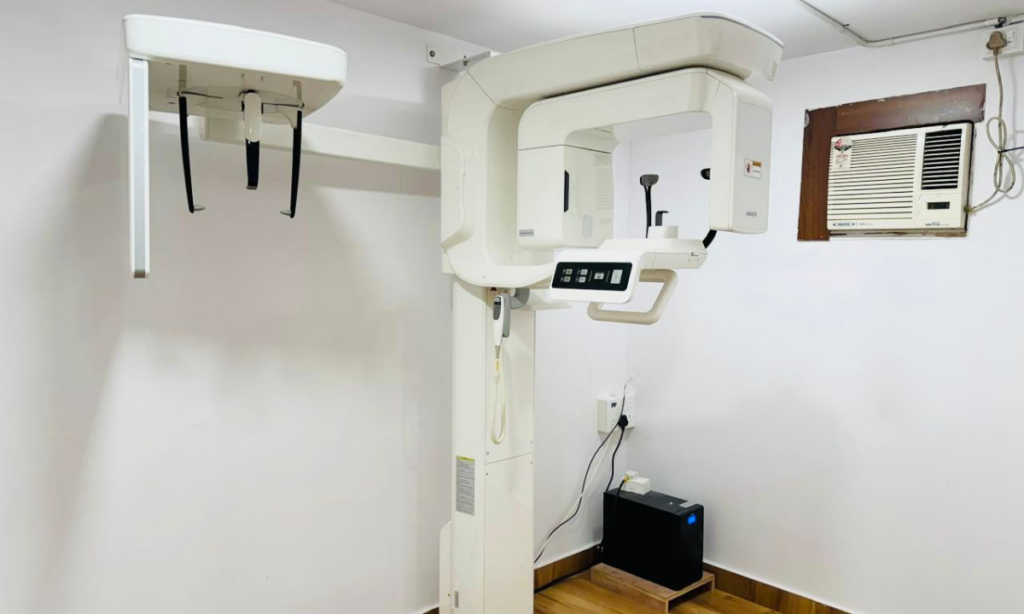
CBCT, or Cone Beam Computed Tomography, is an advanced imaging technique designed specifically for dental and maxillofacial structures. It produces three-dimensional images of teeth, jawbones, soft tissues, and nerve pathways, offering unmatched diagnostic clarity.
Unlike traditional X-rays that provide flat, two-dimensional images, a dental CBCT scanner captures data from multiple angles. This data is then reconstructed into a 3D model, allowing dentists to examine every detail from different perspectives. This level of visualisation is especially important in complex dental procedures where precision is critical.
How Does a Dental CBCT Scanner Work?
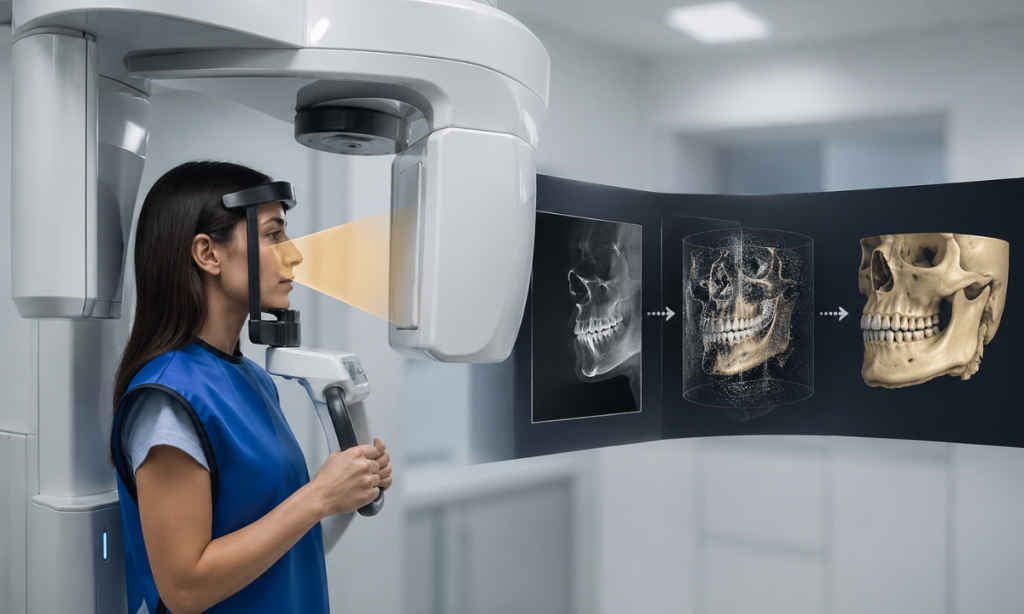
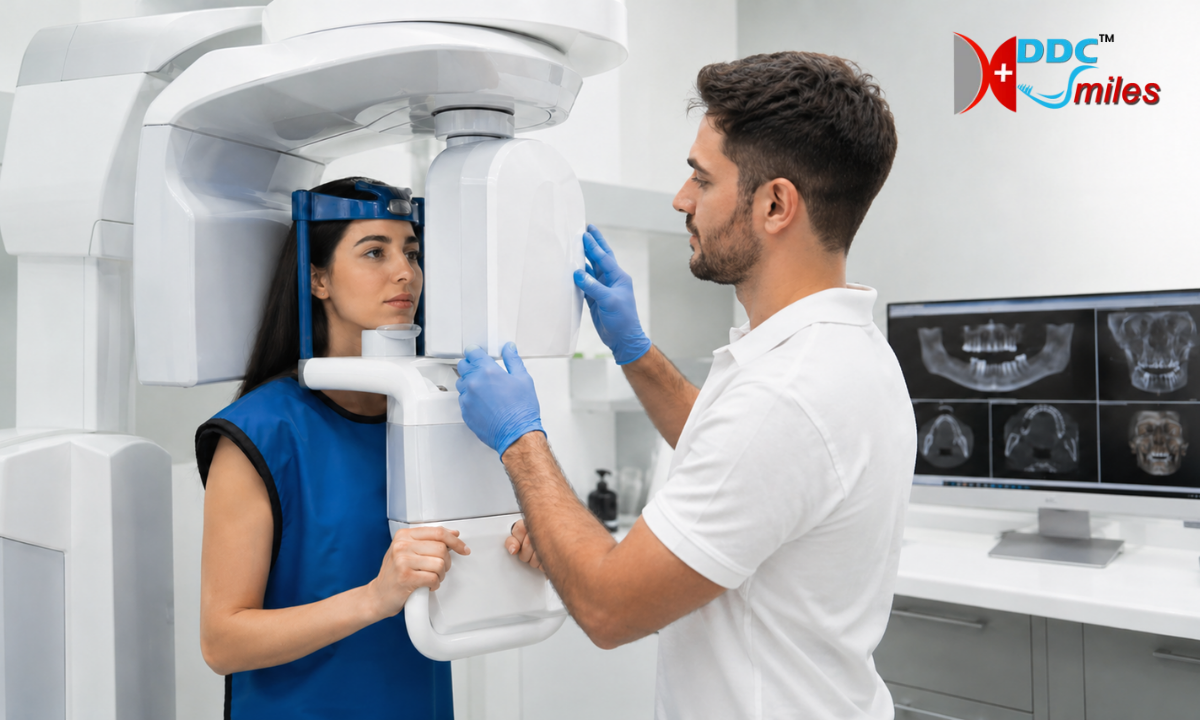
The working mechanism of dental CBCT is both sophisticated and efficient, combining advanced imaging with rapid processing. The scanner rotates around your head in a single sweep, capturing hundreds of images within seconds.
During this process, a cone-shaped X-ray beam focuses on the area of interest. These images are digitally stitched together to form a complete 3D representation. Dentists can then zoom in, rotate, and analyse specific regions, helping them identify issues that might otherwise go unnoticed in traditional imaging methods.
This results in better diagnosis, improved treatment planning, and fewer complications.
CBCT Procedure: Step-by-Step
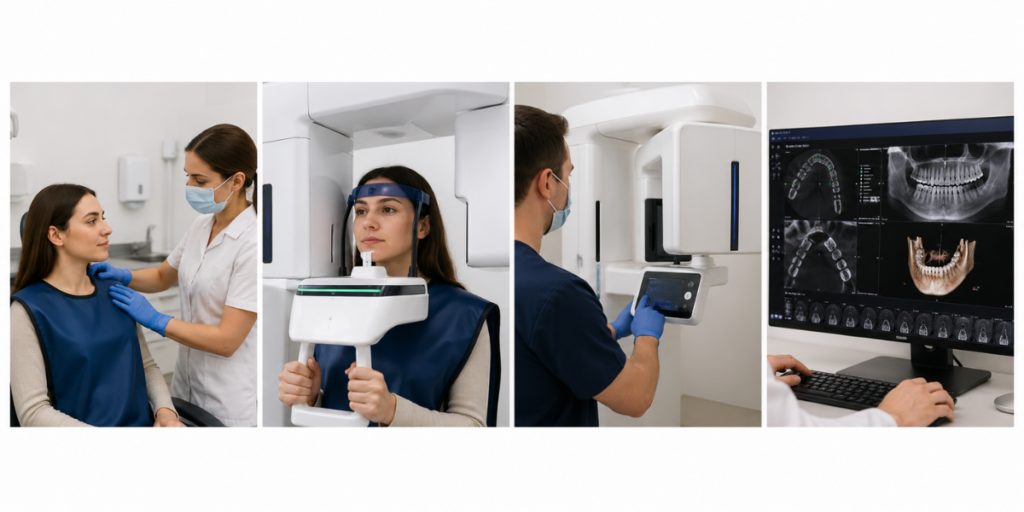
The CBCT scan procedure is designed to be quick, comfortable, and stress-free, making it suitable for patients of all ages. The entire process typically takes less than a minute, but the insights it provides are incredibly valuable.
Step 1: Preparation
You will be asked to remove any metallic items such as earrings, spectacles, or dental appliances that could interfere with imaging. A protective lead apron is provided to minimise radiation exposure and ensure safety.
Step 2: Positioning
Depending on the machine, you may either sit or stand while your head is gently stabilised. Proper positioning is essential for capturing accurate and distortion-free images.
Step 3: Scanning
The CBCT machine rotates around your head in a smooth motion. You won’t feel any pain or discomfort during the scan, and you simply need to remain still for a few seconds.
Step 4: Image Processing
The captured data is instantly converted into high-resolution 3D images. Your dentist can review these images immediately, allowing for faster diagnosis and quicker decision-making.
There’s no downtime; you can resume normal activities right after the scan.
Purpose of CBCT in Dentistry
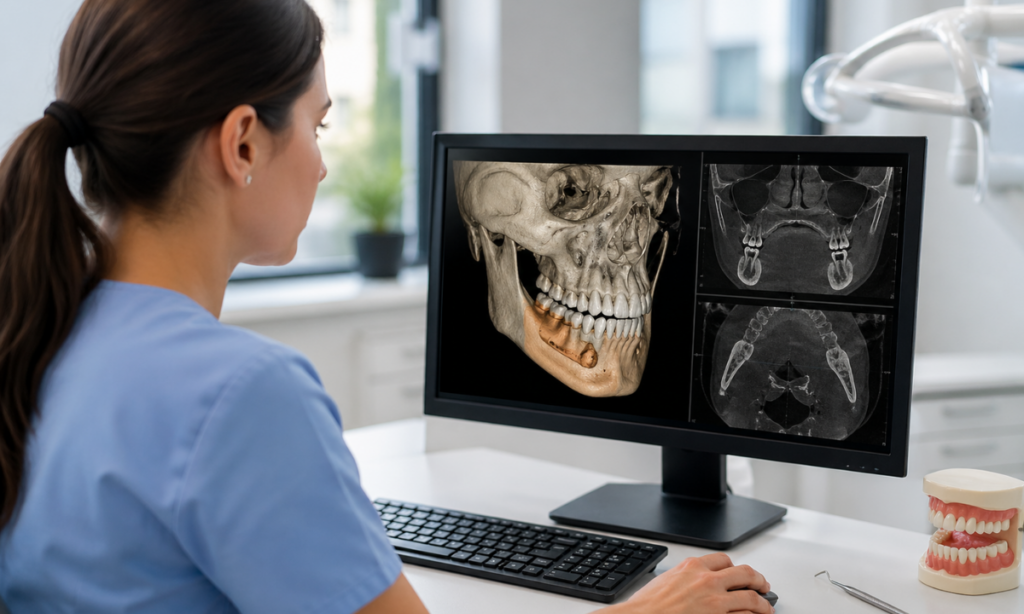
CBCT has revolutionised dentistry by making diagnosis more precise and treatment planning more predictable. It is particularly useful in cases where traditional imaging falls short.
Key purposes include:
- Planning and executing dental implants treatment with precision
- Evaluating bone quality and density before surgical procedures
- Identifying impacted or unerupted teeth
- Assessing jaw joint (TMJ) disorders and sinus conditions
- Supporting orthodontic treatment planning for complex cases
Research indicates that 3D imaging can improve diagnostic accuracy by up to 70%, reducing the risk of treatment errors and complications.
Conditions Diagnosed Using CBCT
One of the biggest advantages of CBCT is its ability to detect dental issues at an early stage, even before symptoms become severe. This enables timely intervention and prevents complications.
Common conditions diagnosed:
| Condition | How CBCT Helps |
| Gum disease identification | Detects infection depth and bone involvement |
| Bone loss | Accurately measures bone density for implants |
| Misaligned teeth | Provides 3D positioning for orthodontic correction |
| Impacted teeth | Identifies exact location and orientation |
| Jaw cysts or tumors | Enables early detection and monitoring |
| Root canal complexities | Reveals hidden canals and fractures |
Early detection not only improves outcomes but also reduces treatment time and costs significantly.
How Much CBCT Scan Cost?
A common concern for patients is affordability. So, how much does a CBCT scan cost in India?
Typical price range:
- Small area scan: ₹1,500 – ₹3,000
- Full mouth scan: ₹3,000 – ₹7,000
Factors that influence cost:
- Size and complexity of the scan
- Technology and expertise available at the clinic
- Geographic location and facility standards
While the upfront cost may seem higher than traditional X-rays, CBCT often prevents costly mistakes and repeat treatments, making it a smart long-term investment.
CBCT vs Traditional Dental X-rays
Understanding the difference between CBCT and conventional X-rays highlights why CBCT is preferred for advanced diagnostics.
| Feature | Traditional X-ray | CBCT Scan |
| Image Type | 2D flat image | 3D volumetric image |
| Detail Level | Limited | Highly detailed |
| Accuracy | Moderate | Very high |
| Use Case | Basic diagnosis | Complex cases and surgeries |
In short, CBCT provides comprehensive insights that traditional imaging cannot deliver.
When Do You Need a CBCT Scan?
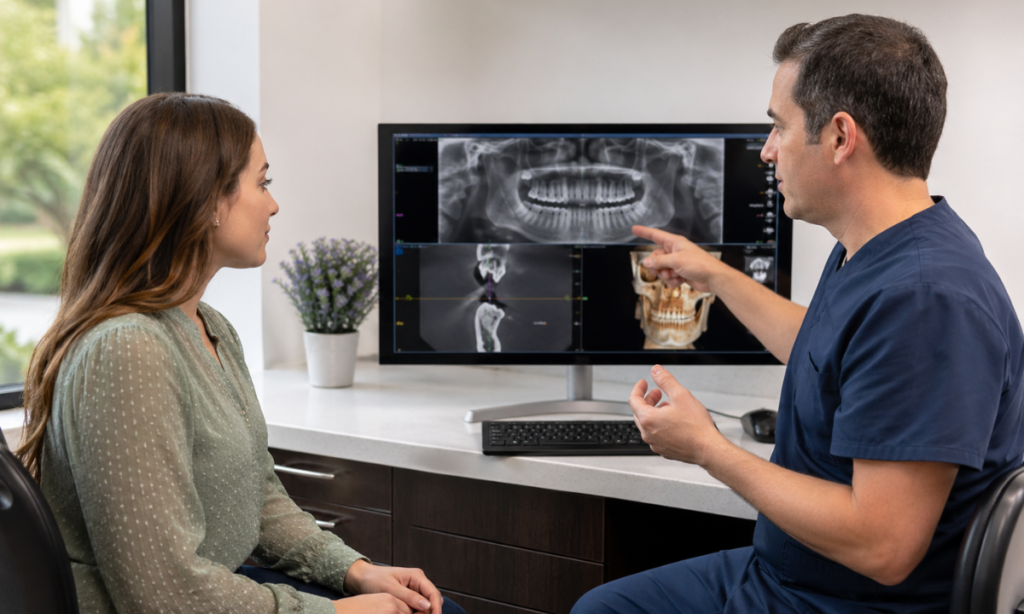
CBCT is typically recommended when your dentist requires detailed visualisation for accurate diagnosis and treatment planning.
You may need a CBCT scan if you:
- Are you undergoing dental implant treatment
- Have advanced bone loss or periodontal disease
- Need correction for misaligned teeth
- Require complex root canal or surgical procedures
- Experience unexplained jaw pain or swelling
In such cases, relying solely on basic imaging may lead to an incomplete or inaccurate diagnosis.
Benefits of Choosing a Dental Imaging OPG & CBCT Centre
Opting for a specialised dental imaging OPG & CBCT centre ensures you receive high-quality scans and expert analysis. These centres are equipped with modern technology and trained professionals.
Key benefits include:
- High-resolution, distortion-free images
- Faster and more accurate diagnosis
- Reduced chances of treatment errors
- Better planning for surgeries and implants
- Enhanced patient safety and comfort
This ultimately leads to better outcomes and a smoother treatment journey.
Is CBCT Safe?
Safety is a common concern, but CBCT is considered safe when used appropriately. The radiation dose is controlled and significantly lower than that of many medical CT scans.
- Exposure is minimal and within safe limits
- Used only when clinically necessary
- Strict safety protocols are followed
Dentists ensure that the benefits of the scan far outweigh any potential risks.
Final Thoughts
Understanding what CBCT is helps you make informed decisions about your oral health. From detecting bone loss to correcting misaligned teeth and planning precise treatments, CBCT plays a crucial role in modern dentistry.
If you are seeking advanced diagnostics at a reliable dental hospital in HSR Layout and Koramangala, choosing a clinic equipped with CBCT technology is essential. At DDC Smiles, advanced imaging meets expert care to ensure accurate diagnosis and confident treatment outcomes.
Frequently Asked Questions
1. Is CBCT painful?
No, a CBCT scan is completely painless and non-invasive. You simply remain still while the machine rotates around your head, capturing images. There are no injections, drilling, or physical contact involved. Most patients find the procedure comfortable and quick, making it suitable even for those who feel anxious about dental treatments.
2. How long does a CBCT scan take?
A CBCT scan is very quick and efficient, usually completed within 30 to 60 seconds. The entire appointment, including preparation and positioning, may take just a few minutes. Because of its speed, it is highly convenient for patients and allows dentists to obtain detailed results without long waiting times or multiple visits.
3. Do I need to prepare beforehand?
CBCT scans require minimal to no preparation. You may be asked to remove metal objects such as earrings, glasses, or dental appliances, as they can interfere with image clarity. Other than that, there are no dietary restrictions or special instructions, allowing you to continue your normal routine before and after the scan.
4. Is CBCT better than OPG?
CBCT is generally considered more advanced than OPG because it provides detailed 3D images, while OPG offers only a 2D overview. This enhanced visualisation helps dentists assess complex conditions more accurately, especially for implants, bone structure, and nerve positioning, leading to more precise diagnoses and effective treatment planning.
5. Can CBCT detect gum disease?
Yes, CBCT is highly effective in detecting gum disease, especially in its early and advanced stages. It allows dentists to evaluate the extent of infection, measure bone loss, and assess the supporting structures around teeth. This detailed insight helps in accurate diagnosis and planning targeted treatments to prevent further progression.
