



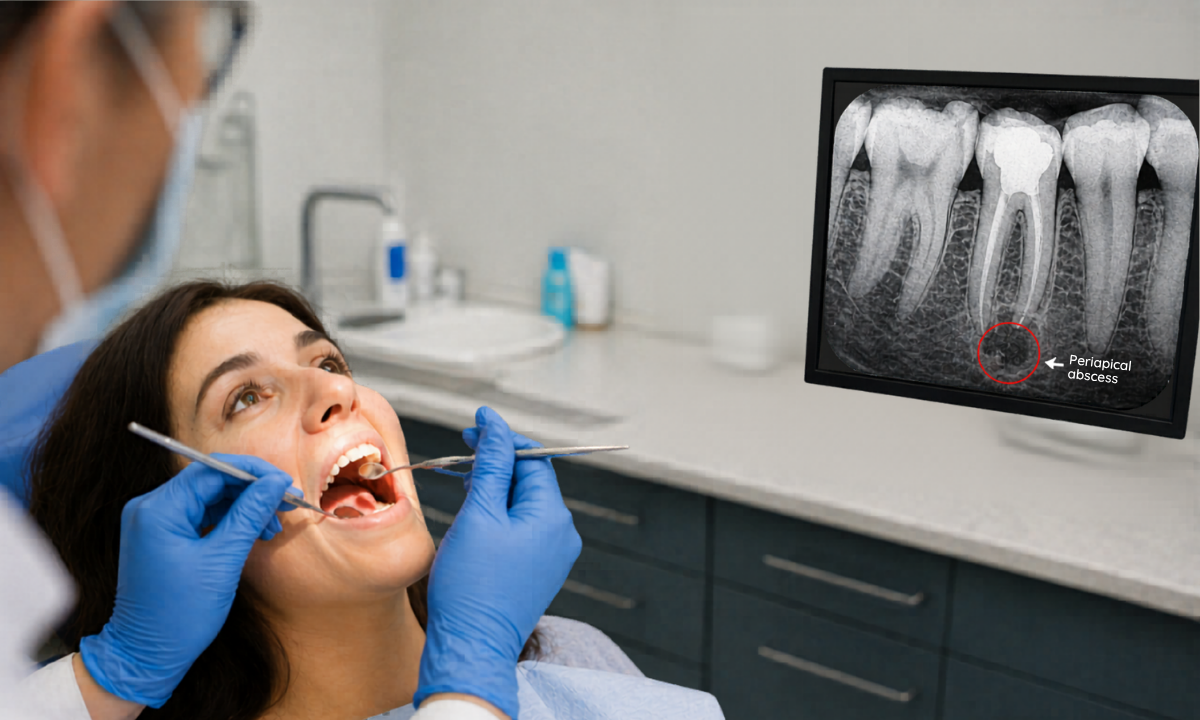
“Why does my tooth hurt so badly all of a sudden?”
If you have ever asked yourself this question, you are not alone. Many patients walk into clinics with severe pain, only to discover that dental periapical abscesses are the root cause of their discomfort and distress.
In fact, untreated infections often escalate to this painful condition, requiring timely care like root canal treatment in Koramangala and HSR Layout to prevent complications and restore oral health.
But what exactly causes this intense pain, and how can you stop it before it turns into a serious dental emergency? Let’s explore everything you need to know.
Key Points at a Glance
- Dental periapical abscesses are infections that form at the tip of a tooth root due to bacterial invasion
- Most cases begin with untreated cavities or dental trauma
- Symptoms include swelling, severe pain, sensitivity, and sometimes fever
- Early treatment can prevent tooth loss and avoid serious health risks
- Root canal therapy is one of the most effective and tooth-saving solutions
- Visiting a trusted dental hospital in Koramangala and HSR Layout ensures safe and timely care
What Are Dental Periapical Abscesses?
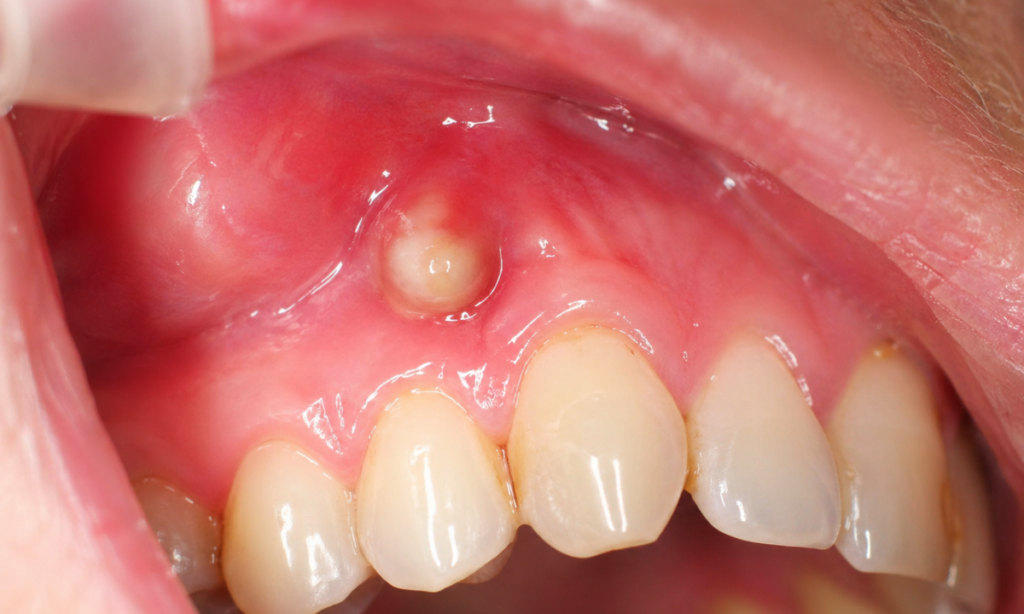
A dental periapical abscess is a localized pocket of pus that develops at the root tip of a tooth due to bacterial infection. It typically forms when bacteria enter the pulp, the soft inner tissue containing nerves and blood vessels, and begin to multiply rapidly.
Over time, this infection spreads beyond the tooth, causing inflammation in the surrounding bone and tissues. This not only leads to intense pain but can also weaken the structure of the tooth if left untreated.
What Causes a Periapical Abscess?
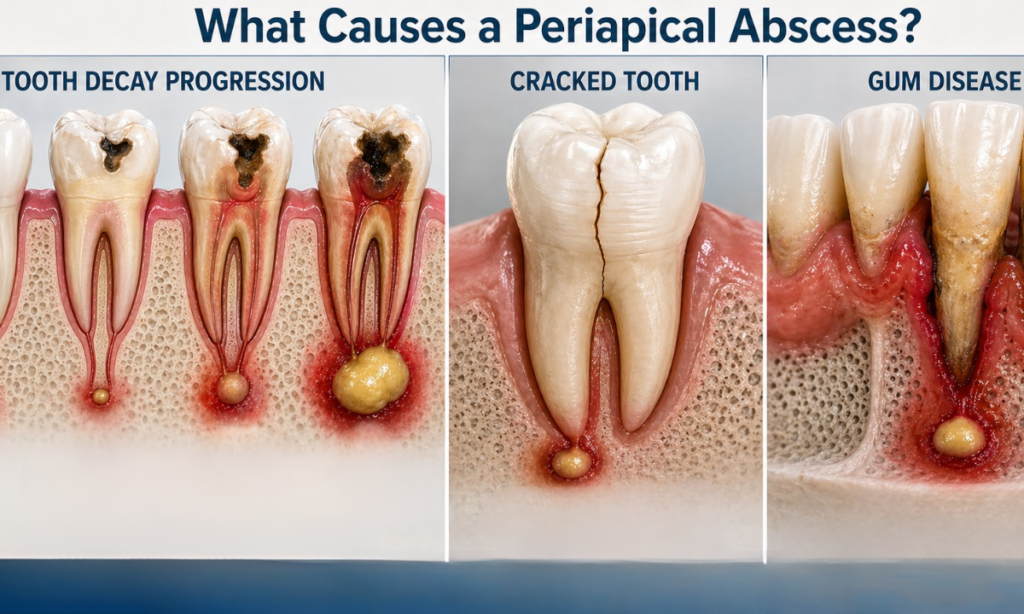
You might wonder, Can tooth decay cause an abscess? The answer is a definite yes, and it is actually the most common reason behind it.
Here are the major causes explained in detail:
- Untreated tooth decay: Cavities gradually deepen, allowing bacteria to reach the pulp and cause infection
- Cracked or broken teeth: Even a small fracture can act as an entry point for harmful bacteria
- Advanced gum disease: Weak gums create pockets where bacteria thrive and spread
- Poor dental work: Incomplete fillings or poorly sealed crowns may allow bacteria to re-enter
Research indicates that a majority of dental abscess cases stem from untreated decay, highlighting how small issues can quickly escalate if ignored.
How Common Is a Dental Abscess?
If you are asking, How common is a dental abscess? It’s more frequent than many people realise.
- Dental abscesses account for a large percentage of emergency dental visits globally
- Millions of cases are reported each year, especially in urban populations
- Adults between 20 and 50 years are more prone due to lifestyle and dietary habits
This makes regular dental check-ups not just important, but essential for long-term oral health.
Signs and Symptoms You Should Never Ignore

Recognizing symptoms early can make a huge difference in saving your tooth and avoiding complications.
Common Warning Signs:
- Persistent, throbbing toothache that may radiate to the jaw or ear
- Swelling in the gums, face, or even neck in severe cases
- Sensitivity to hot, cold, or pressure while chewing
- Bad taste in the mouth or foul-smelling breath due to pus drainage
- Fever, fatigue, or swollen lymph nodes indicate infection spread
Important: Even if the pain suddenly decreases, it does not mean the infection is gone; it may have spread or ruptured internally.
How Is It Diagnosed?
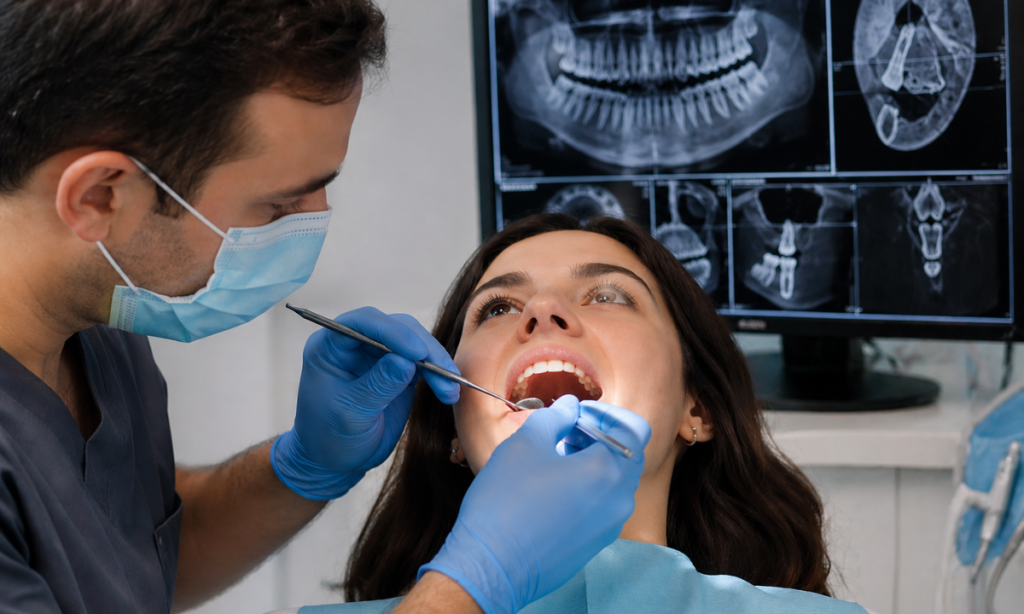
Accurate diagnosis is crucial for effective treatment and preventing recurrence.
Dentists typically follow a structured approach:
| Diagnostic Method | Purpose |
| Physical exam | Evaluates swelling, redness, and tenderness |
| Dental CBCT Scan | Detects infection at the root and bone loss |
| Sensitivity tests | Determines pulp vitality and nerve damage |
In some cases, advanced imaging may be used to assess the extent of the infection more precisely.
Treatment Options Explained
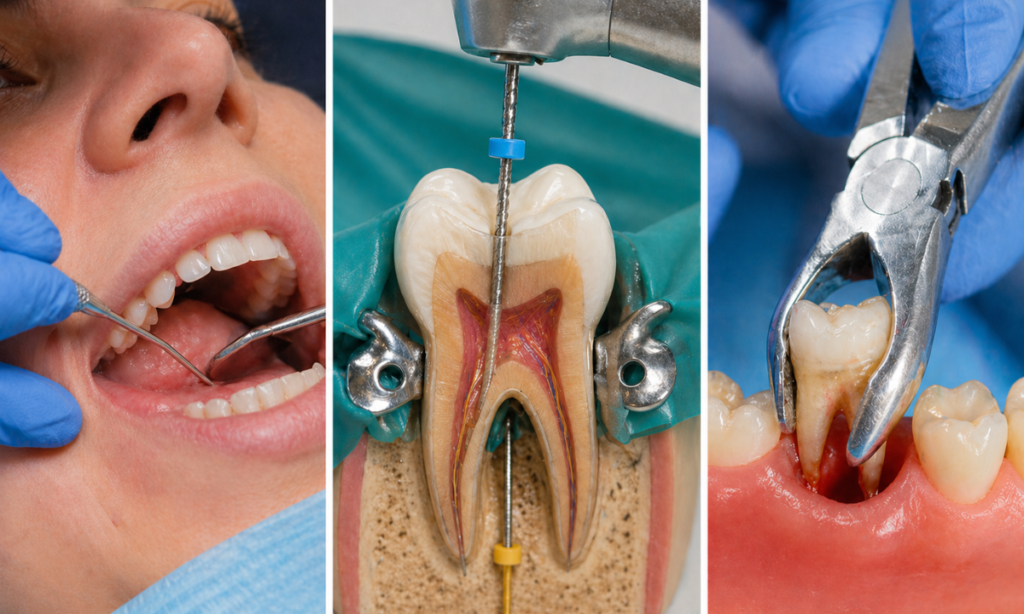
Treatment focuses on eliminating infection, relieving pain, and preserving the natural tooth whenever possible.
1. Drainage of Abscess
This procedure involves making a small incision to release pus, which reduces pressure and provides immediate relief. It is often the first step in managing severe swelling.
2. Root Canal Treatment
Root canal is the most common and effective solution. The dentist removes the infected pulp, cleans the inner canals thoroughly, and seals the tooth to prevent reinfection. With modern techniques, the procedure is safe, precise, and highly successful.
3. Tooth Extraction
If the tooth is severely damaged and cannot be saved, extraction becomes necessary. However, dentists always try to preserve the natural tooth whenever possible.
Seeking care at a reliable dental hospital in Koramangala and a dental hospital in HSR Layout ensures access to advanced technology and experienced professionals for better outcomes.
Prevention: Simple Steps That Work

Preventing dental abscesses is easier than treating them, and a few daily habits can make a big difference.
Follow These Easy Tips:
- Brush twice daily using fluoride toothpaste to protect enamel
- Floss regularly to remove plaque from hard-to-reach areas
- Limit sugary and acidic foods that promote decay
- Visit your dentist every 6 months for routine check-ups
- Address minor dental issues immediately before they worsen
Pro Tip: Consistency in oral hygiene is the key; small daily efforts can prevent major dental problems later.
What Happens If You Delay Treatment?
Delaying treatment can turn a manageable condition into a serious health risk.
- Infection may spread to the surrounding tissues, jawbone, or even the bloodstream
- Increased pain and swelling can affect daily activities like eating and speaking
- Tooth loss becomes more likely as the infection progresses
- In rare cases, it can lead to life-threatening conditions like sepsis
Urgency matters. Early action not only saves your tooth but also protects your overall health.
Real-Life Example
Consider this scenario:
A patient ignores mild tooth sensitivity, assuming it’s temporary. Over time, the discomfort increases, followed by swelling and severe pain. When they finally seek help, the infection has progressed, requiring more complex treatment than initially needed.
This highlights how early intervention can save time, money, and unnecessary pain.
Final Thoughts
Dental health issues often start small but can escalate quickly if ignored. Dental periapical abscesses are a clear example of how untreated decay or infection can lead to severe pain and complications. Seeking timely care, including root canal treatment in Koramangala and HSR Layout, can help preserve your natural tooth and prevent further damage.
If you notice any warning signs, don’t wait; consult experts at DDC Smiles for advanced, compassionate, and effective dental care.
Frequently Asked Questions
1. Can a dental abscess heal on its own?
No, a dental abscess cannot heal on its own. While the pain may temporarily reduce if the abscess ruptures, the underlying infection remains active inside the tooth or surrounding tissues. Without proper dental treatment, the infection can spread further, leading to serious complications. Professional care is essential to eliminate the infection and prevent recurrence.
2. Is root canal treatment painful?
Root canal treatment is often misunderstood as painful, but with modern anaesthesia and advanced techniques, it is usually a comfortable procedure. Most patients feel little to no pain during the treatment. In fact, it relieves the severe pain caused by infection. Post-treatment discomfort is minimal and temporary, making it a highly effective and patient-friendly solution.
3. How long does recovery take?
Recovery after treating a dental abscess typically begins within a few days, as pain and swelling gradually subside. Most patients can resume normal activities within 24–48 hours. Complete healing may take a bit longer depending on the severity of the infection and the treatment performed, but following your dentist’s aftercare instructions ensures a smooth and quick recovery.
4. Can antibiotics cure an abscess?
Antibiotics alone cannot cure a dental abscess because they do not remove the source of the infection. They may temporarily reduce swelling and control bacterial spread, but the infected pulp or tissue must be treated through procedures like drainage or root canal therapy. Relying only on antibiotics can delay proper treatment and worsen the condition over time.
