


Have you ever felt a sudden burning pain in your mouth while eating something as simple as a piece of fruit? It can be surprisingly intense, making even everyday meals uncomfortable and frustrating. Many people experience this at some point and begin to wonder why mouth ulcers occur and what triggers them so suddenly.
Understanding the causes and solutions becomes even more important when considering professional care like mouth ulcers treatment in HSR Layout and Koramangala, where expert guidance can speed up recovery.
What if the real cause behind your ulcers is something small but repeated daily without you even noticing? Let’s uncover it together.
Key Points at a Glance
- Mouth ulcers are small but painful sores that can disrupt eating, speaking, and daily comfort.
- The most common causes of mouth ulcers include stress, injuries, and nutritional deficiencies.
- Healing typically takes 7–14 days, depending on severity and care.
- An effective mouth ulcer remedy includes both home care and medical treatments.
- Recurring ulcers may indicate deeper health concerns that need attention.
- Visiting a dental hospital in Koramangala and a dental hospital in HSR Layout ensures faster diagnosis and targeted treatment.
What Are Mouth Ulcers?
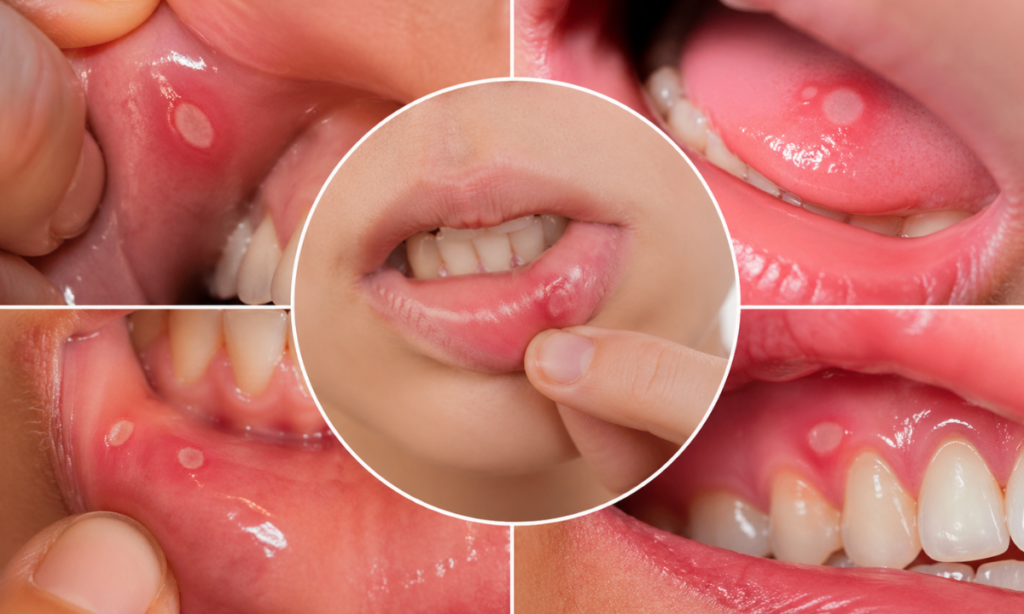
Mouth ulcers are small, shallow lesions that develop on the soft tissues inside your mouth, including the cheeks, lips, tongue, and even on the gums. They usually appear as round or oval sores with a white or yellow centre and a red, inflamed border.
Although they are generally harmless, their location makes them extremely uncomfortable. Even simple actions like chewing, talking, or brushing can irritate the area further, which is why timely care and attention are important.
Top 7 Reasons Why Mouth Ulcers Occur
Understanding the exact reason for mouth ulcers helps you treat them effectively and prevent future occurrences. Let’s look at the most common triggers in a bit more detail:
1. Minor Injuries
Small injuries are one of the most overlooked causes. Accidentally biting your cheek, using a hard-bristle toothbrush, or irritation from dental appliances like braces can damage the inner lining of your mouth. These tiny injuries can quickly develop into painful ulcers if not cared for properly.
2. Nutritional Deficiencies
Deficiencies in essential nutrients such as Vitamin B12, iron, and folate can weaken your oral tissues. When your body lacks these nutrients, the mouth becomes more prone to inflammation and slower healing, increasing the likelihood of ulcers.
3. Stress and Hormonal Changes
Stress doesn’t just affect your mind; it impacts your body too. Emotional stress can weaken your immune system, making your mouth more vulnerable to ulcers. Hormonal fluctuations, especially during menstrual cycles, can also trigger outbreaks in some individuals.
4. Spicy and Acidic Foods
Frequent consumption of spicy, citrus, or acidic foods can irritate the delicate lining of your mouth. Over time, this irritation can lead to inflammation and eventually cause ulcers, particularly if your mouth is already sensitive.
5. Allergic Reactions
Certain foods, medications, or even toothpaste ingredients like sodium lauryl sulphate may trigger allergic reactions. These reactions can manifest as ulcers, especially in people with sensitive oral tissues.
6. Medical Conditions
Chronic conditions such as coeliac disease, Crohn’s disease, or viral infections can lead to recurring mouth ulcers. In such cases, ulcers are often a symptom of a deeper health issue that requires medical evaluation.
7. Poor Oral Hygiene
Neglecting oral hygiene can lead to bacterial buildup in the mouth. This not only worsens existing ulcers but can also increase the risk of new ones forming, making recovery slower and more painful.
Mouth Ulcers on Gums: Why They Hurt More
Ulcers that develop on the gums tend to be more painful because this area is highly sensitive and constantly exposed during eating and brushing. The lack of protective soft tissue makes the discomfort more noticeable and persistent.
Additionally, these ulcers can interfere with proper oral hygiene, as brushing around them becomes painful. If ignored, they may lead to gum inflammation or secondary infections, which is why early care is essential.
Mouth Ulcers: How to Cure Them Effectively
If you are searching for mouth ulcers, how to cure, it’s important to know that treatment depends on the severity and cause. Mild ulcers often heal on their own, but proper care can significantly speed up the process and reduce discomfort.
Quick Remedies at Home
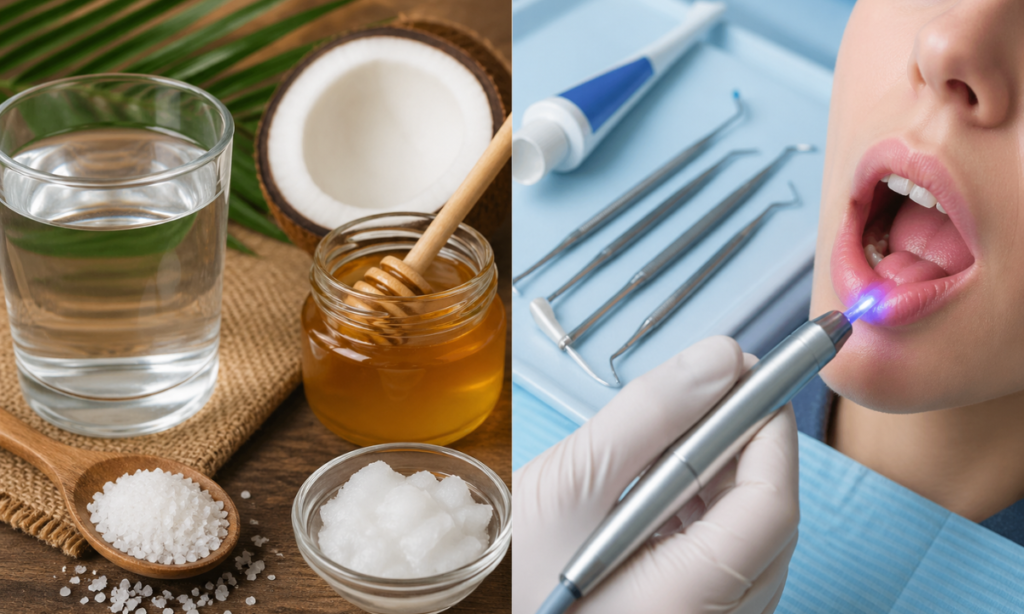
- Rinse with warm salt water to reduce bacteria and inflammation
- Apply honey or coconut oil for natural soothing and healing
- Avoid spicy, salty, and acidic foods during recovery
- Drink plenty of water to keep the mouth hydrated
These remedies are simple yet effective for managing mild ulcers and preventing further irritation.
Over-the-Counter Options
- Antiseptic gels to prevent infection
- Pain-relief ointments for instant comfort
- Vitamin supplements to address deficiencies
These options are helpful when home remedies are not enough, especially for moderate pain.
Professional Treatments
For severe or recurring ulcers, dentists may recommend advanced treatments such as prescription medications, medicated mouthwashes, or even laser therapy. These treatments not only relieve pain quickly but also promote faster healing and prevent recurrence.
Best Mouth Ulcers Remedy: What Works Fast?
Here’s a more detailed comparison of effective remedies:
| Remedy Type | Best For | Effectiveness | Time to Relief |
| Saltwater Rinse | Mild irritation | Moderate | 2–3 days |
| Honey Application | Pain & inflammation | High | 1–2 days |
| Medicated Gel | Severe discomfort | Very High | Immediate |
| Laser Treatment | Chronic ulcers | Excellent | Same day |
Choosing the right mouth ulcer remedy depends on how severe your symptoms are and how frequently they occur.
Mouth Ulcers Recovery Time: What to Expect
The mouth ulcer recovery time varies depending on the cause and how well you manage it. Minor ulcers usually heal within a week, while more severe ones may take up to two weeks or longer.
If an ulcer does not heal within 14 days or keeps recurring, it’s important to seek professional care. Delayed healing could indicate an underlying issue that needs medical attention.
When Should You See a Dentist?
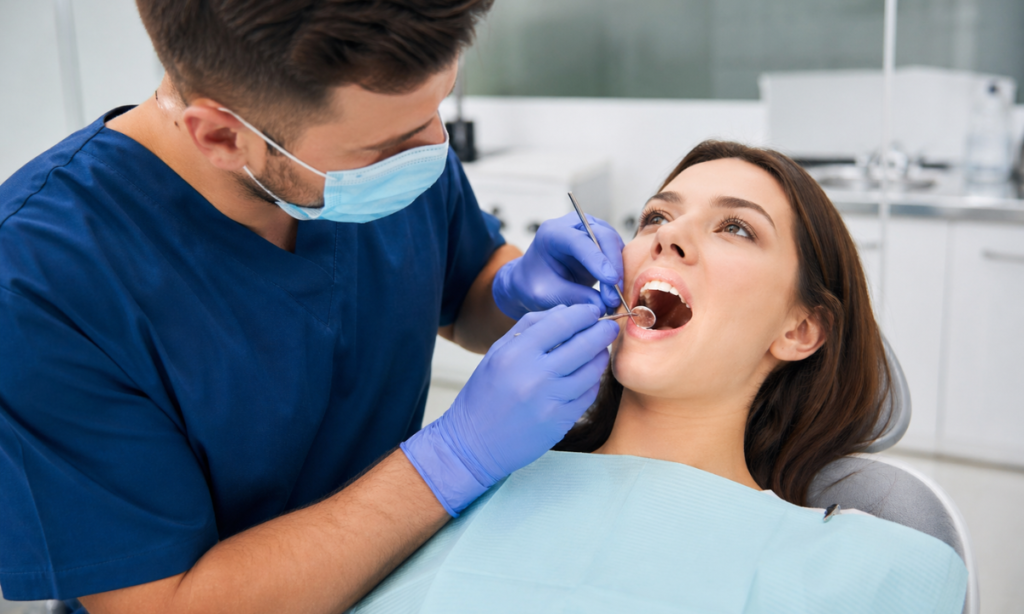
When to Visit the Dentist
While most ulcers are harmless, certain signs should not be ignored. Persistent pain, large sores, or difficulty eating are indicators that professional help is needed.
Visiting a dental hospital in Koramangala and the dental hospital in HSR Layout ensures proper diagnosis and targeted treatment. Early intervention can prevent complications and provide faster relief.
Prevention Tips That Actually Work
Preventing mouth ulcers is often easier than treating them, especially if you identify your triggers early. Small lifestyle changes can make a big difference over time.
- Use a soft-bristled toothbrush to avoid injury
- Maintain a balanced diet rich in vitamins and minerals
- Manage stress through exercise or relaxation techniques
- Avoid foods that trigger irritation
- Stay hydrated to maintain oral health
Consistency in these habits can significantly reduce the frequency of ulcers.
Final Thoughts
Mouth ulcers may seem like a minor issue, but they can significantly affect your comfort and quality of life if ignored. By understanding why mouth ulcers occur, identifying the mouth ulcers reason, and choosing the right mouth ulcer remedy, you can take control of your oral health and speed up recovery.
If you are dealing with recurring or painful ulcers, seeking expert mouth ulcer treatment in HSR Layout and Koramangala can make a real difference. With the right care and guidance from DDC Smiles, you can achieve faster healing, long-term relief, and a healthier smile.
FAQs About Mouth Ulcers
1. Are mouth ulcers contagious?
No, mouth ulcers are not contagious and cannot spread from one person to another through contact, sharing food, or kissing. They are usually caused by internal factors such as stress, minor injuries, or nutritional deficiencies. Unlike infections like cold sores, mouth ulcers do not involve viruses or bacteria that can be transmitted.
2. Can stress alone cause ulcers?
Yes, stress can play a significant role in causing mouth ulcers. When your body is under stress, your immune system weakens, making the oral tissues more vulnerable to inflammation and sores. Additionally, stress may lead to habits like biting the cheek or poor diet choices, which can further increase the chances of developing ulcers.
3. Is it safe to pop a mouth ulcer?
No, it is not safe to pop or burst a mouth ulcer. Doing so can damage the surrounding tissue, increase pain, and raise the risk of infection. It may also delay the healing process and make the ulcer worse. Instead, it is better to use soothing remedies or consult a dentist for safe and effective treatment options.
4. Do mouth ulcers indicate cancer?
Most mouth ulcers are harmless and heal on their own within one to two weeks. However, ulcers that persist for more than 14 days, appear unusually large, or are accompanied by other symptoms like unexplained weight loss should not be ignored. In such cases, a dental check-up is important to rule out serious conditions, including oral cancer.
