



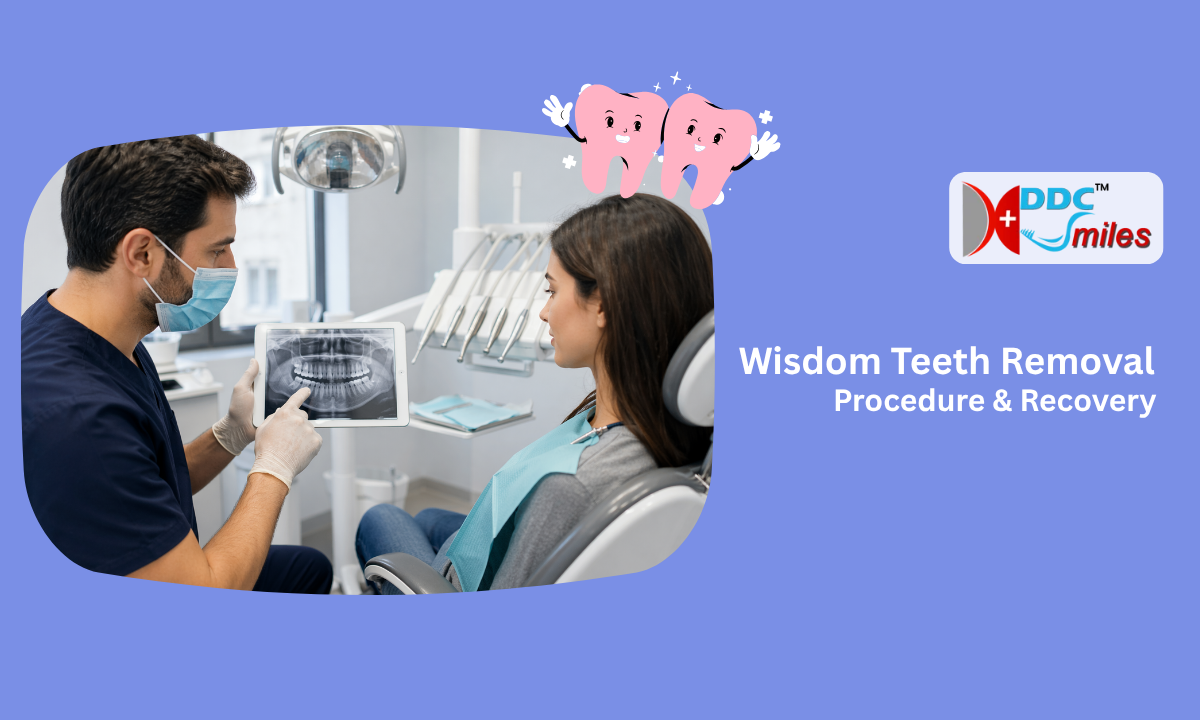
Ever wondered why that dull ache at the back of your mouth suddenly turns into unbearable pain? In many cases, it signals the need for wisdom teeth extraction, a common yet often misunderstood dental procedure.
Whether you are considering wisdom teeth removal in HSR Layout and Koramangala or simply exploring your options, understanding the process can help you make confident decisions. But here’s the twist: most people delay treatment until it becomes urgent, and that’s where complications begin.
Key Points at a Glance
- Wisdom teeth usually erupt between 17 and 25 years, often causing crowding
- Nearly 70–80% of people experience issues requiring removal
- The procedure for wisdom teeth extraction is safe, quick, and minimally invasive today
- Recovery takes 3–7 days, but proper care speeds it up significantly
- Early removal reduces surgical complexity and discomfort
- Choosing the right Dental Hospital in Koramangala and HSR Layout improves outcomes
What Are Wisdom Teeth and Why Do They Cause Problems?
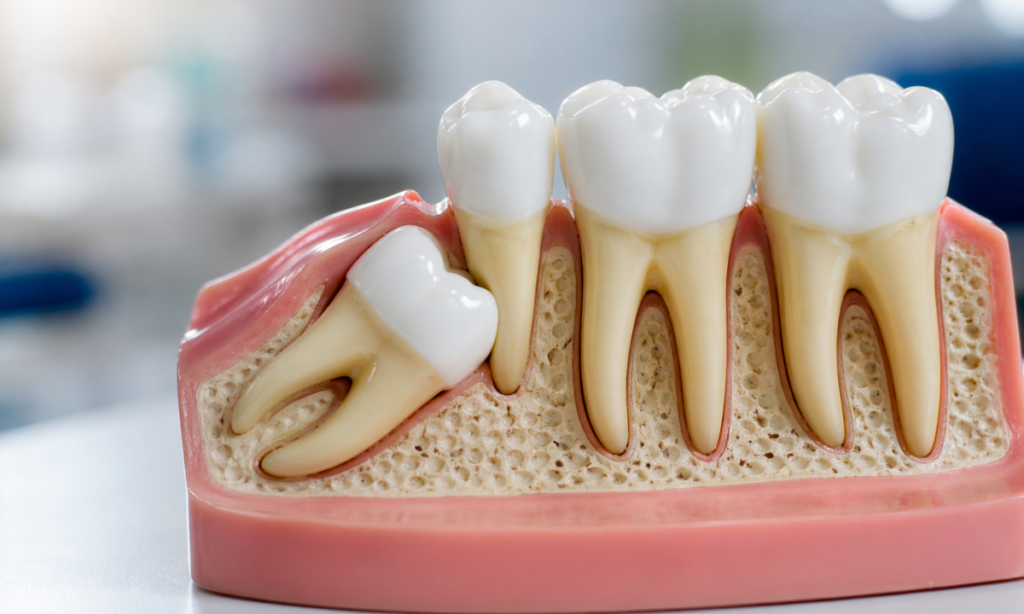
Wisdom teeth are the last set of molars located at the very back of your mouth. Historically, they were useful for chewing coarse foods, but with modern diets and smaller jaw sizes, they often become problematic.
The biggest issue arises when there isn’t enough space for them to grow properly. This leads to impaction, where the tooth remains trapped under the gum or grows at an angle, pressing against neighbouring teeth.
Over time, this pressure can cause:
- Tooth misalignment
- Gum inflammation
- Bacterial infections
That’s why dentists often recommend timely wisdom teeth extraction even before severe symptoms appear.
When Do You Need Wisdom Teeth Extraction?

Recognising early symptoms can save you from intense pain and complex procedures later. In many cases, wisdom teeth don’t erupt properly due to a lack of space, leading to pressure on surrounding teeth and gums. Over time, this can create hidden pockets where bacteria grow, increasing the risk of infection and decay.
Common Warning Signs:
- Persistent or throbbing pain in the back of the mouth
- Red, swollen, or tender gums
- Difficulty chewing or biting
- Jaw stiffness or limited mouth opening
- Recurring infections or pus formation
In some cases, wisdom teeth problems are silent, meaning you may not feel pain initially. That’s why regular dental check-ups are essential for early detection.
Wisdom Teeth Extraction Age: What’s Ideal?
The wisdom teeth extraction age typically ranges between 18 and 25 years, when the jawbone is softer, and the roots are not fully formed.
Why Timing Matters:
- Younger patients heal faster due to better tissue regeneration
- Reduced risk of nerve damage
- Less invasive surgical procedures
- Lower chances of complications like dry socket
However, adults above 30 can still undergo extraction successfully, though recovery may take slightly longer.
Step-by-Step Procedure for Wisdom Teeth Extraction
Understanding the procedure for wisdom teeth extraction helps reduce anxiety and prepares you mentally for the process. Knowing what happens at each stage can make the experience feel more predictable and less intimidating.
It also helps you follow instructions better, which plays a key role in a smooth and complication-free recovery.
Detailed Procedure:
| Step | What Happens |
| Initial Consultation | A dentist evaluates your teeth using CBCT scans |
| Treatment Planning | A decision is made between a simple or a surgical extraction based on the OPG Report / CBCT Report |
| Anesthesia | Local anaesthesia or sedation ensures a painless experience |
| Tooth Removal | The tooth is loosened and removed; impacted teeth may require incision |
| Site Cleaning | The area is cleaned to remove debris and prevent infection |
| Suturing | Stitches may be placed for faster healing |
| Post-Care Instructions | Guidelines provided for smooth recovery |
Modern dental techniques ensure that the procedure is quick, precise, and comfortable, often completed within an hour.
Types of Wisdom Teeth Removal Procedures
Each case is unique, and the type of extraction depends on tooth position and complexity.
1. Simple Extraction
Used when the tooth has fully erupted and can be removed easily with dental tools.
2. Surgical Extraction
Required when the tooth is impacted or partially visible. This involves:
- Small incision in the gum
- Removal of bone around the tooth
- Sectioning the tooth into smaller parts if needed
Choosing an experienced team at a Dental Hospital in Koramangala and a Dental Hospital in HSR Layout ensures safe handling of even complex cases.
Wisdom Teeth Extraction Cost in India
The wisdom teeth extraction cost in India varies depending on multiple factors such as clinic location, dentist expertise, and the complexity of the case.
Factors Affecting Cost:
- Degree of impaction
More deeply impacted teeth require complex surgical techniques, increasing the overall cost. - Use of advanced imaging (CBCT scans)
High-precision scans like CBCT provide detailed 3D views but add to diagnostic expenses. - Type of anesthesia
Sedation or general anaesthesia costs more than local anaesthesia due to additional monitoring and expertise. - Clinic infrastructure and technology
Clinics with advanced equipment and modern facilities may charge higher fees for enhanced safety and comfort.
Cost Breakdown:
| Type | Cost Range |
| Basic Extraction | ₹1000-1500/- |
| Impacted Tooth Surgery | ₹2500-3000/- |
While affordability matters, prioritising quality and safety ensures better long-term results.
Recovery Timeline: What to Expect After Extraction
Recovery is usually straightforward but varies slightly from person to person. Factors like the complexity of the extraction, your overall health, and how well you follow post-care instructions can influence healing speed. While mild discomfort is normal, most symptoms gradually improve each day with proper care.
Healing Phases:
- First 24 hours: Blood clot forms; mild bleeding possible. Rest is crucial during this phase to protect the clot and prevent complications.
- Day 2–3: Swelling peaks; discomfort is manageable with medication. Applying ice packs can significantly reduce swelling and inflammation.
- Day 4–5: Pain reduces; normal activities resume. You may still need to avoid strenuous tasks and stick to soft foods.
- Day 7: Stitches may dissolve or be removed. The extraction site begins to close, and discomfort is minimal.
- 2 Weeks: Complete healing of soft tissue. The gum tissue looks normal, although deeper bone healing may continue for a few more weeks.
Most patients can return to routine work within 48–72 hours, depending on the nature of the procedure and individual healing response.
Treatment After Wisdom Teeth Extraction

Proper treatment after wisdom teeth extraction is essential for preventing complications and ensuring quick healing.
Best Practices:
- Apply ice packs for 15–20 minutes to reduce swelling
- Take prescribed antibiotics and painkillers on time
- Rinse gently with salt water after 24 hours
- Keep your head elevated while resting
Avoid These Mistakes:
- Smoking or tobacco use (delays healing)
- Drinking through straws (can dislodge a blood clot)
- Touching or poking the wound
- Skipping medications
Following these guidelines can significantly reduce risks like dry socket, one of the most common post-extraction complications.
Risks of Delaying Wisdom Teeth Extraction
Delaying treatment can lead to complications that are not only painful but also expensive to treat.
Potential Risks:
- Severe infections spreading to nearby teeth
- Development of cysts or fluid-filled sacs
- Tooth decay in adjacent molars
- Chronic gum disease
- Jawbone damage in extreme cases
Early diagnosis and timely surgery for wisdom tooth extraction can prevent these issues effectively.
Choosing the Right Dentist Matters
A skilled dentist can make a significant difference in your experience and recovery.
What to Look For:
- Experienced oral surgeon with a proven track record
- Advanced technology like digital X-rays and painless anaesthesia
- Clear explanation of procedure and costs
- Positive patient reviews and hygiene standards
Opting for a reputed dental hospital in HSR Layout and Koramangala ensures high-quality care and peace of mind.
Final Thoughts
Wisdom teeth problems can escalate faster than expected, turning a minor discomfort into a serious dental issue. Acting early not only simplifies the surgery for wisdom tooth extraction but also ensures a smoother recovery.
If you are considering wisdom teeth removal in HSR Layout and Koramangala, choosing a trusted clinic like DDC Smiles ensures expert care, advanced technology, and a comfortable experience from consultation to recovery.
FAQs About Wisdom Teeth Extraction
1. Is wisdom tooth extraction painful?
No, the procedure itself is not painful because it is performed under local anaesthesia or sedation, which completely numbs the area. You may feel slight pressure but no sharp pain. After the surgery, mild discomfort, swelling, or soreness is normal, but it can be effectively managed with prescribed painkillers and proper post-operative care.
2. How long does swelling last?
Swelling is a common part of the healing process and usually peaks within the first 48 hours after the extraction. It gradually starts reducing by the third or fourth day. Applying ice packs during the initial 24 hours and following aftercare instructions can significantly minimise swelling and help you feel more comfortable during recovery.
3. Can I brush my teeth after an extraction?
Yes, you can brush your teeth after wisdom teeth extraction, but you need to be very gentle and cautious. Avoid brushing directly over the surgical site for at least the first 24 hours to prevent disturbing the blood clot. After that, you can slowly resume normal brushing while maintaining good oral hygiene to prevent infection.
4. What foods should I eat?
After the extraction, it is important to stick to soft, easy-to-chew foods that do not irritate the surgical site. Options like soups, smoothies, yoghurt, mashed potatoes, and porridge are ideal. Avoid hot, spicy, crunchy, or hard foods during the initial days, as they can delay healing or cause discomfort at the extraction site.
5. Is removal always necessary?
No, wisdom teeth removal is not always required for everyone. If the teeth are properly aligned, fully erupted, and not causing any pain or infection, they can be left as they are. However, impacted, partially erupted, or problematic wisdom teeth often require extraction to prevent future complications and maintain overall oral health.
