

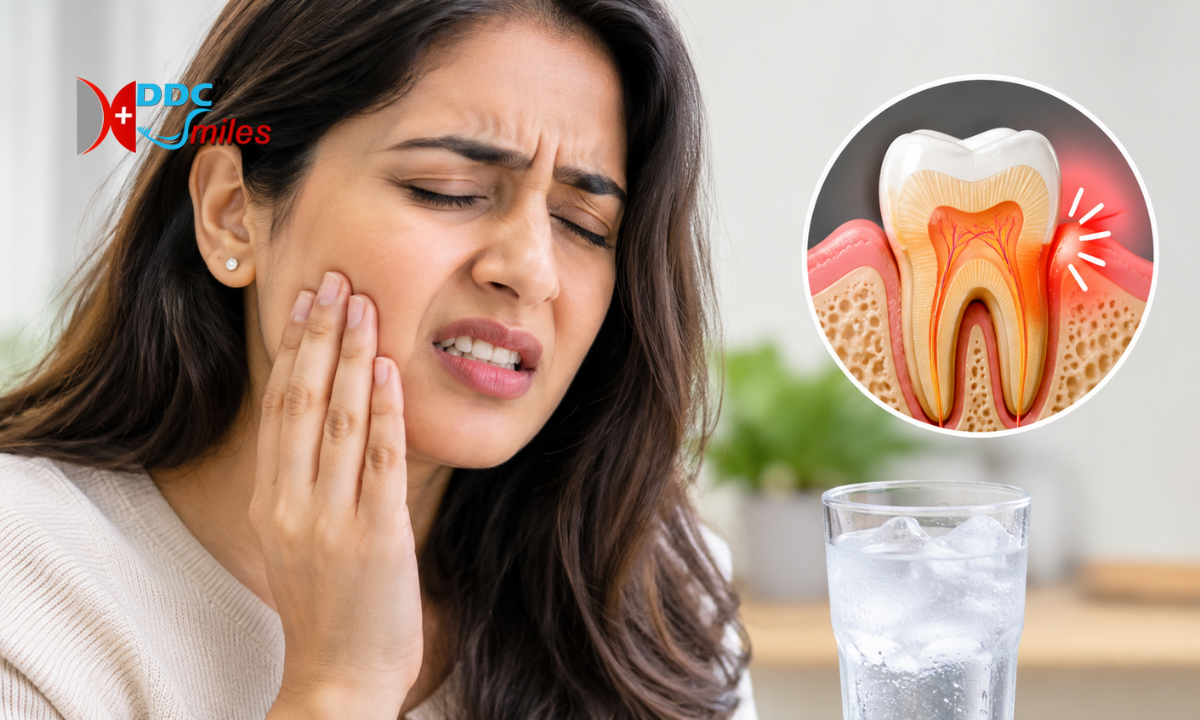
Do you feel a sudden, sharp pain in your teeth when drinking cold water, eating ice cream, or having hot tea? You may be experiencing tooth sensitivity. Understanding dental sensitivity causes can help you identify possible triggers and know when to visit a trusted dental clinic in HSR Layout and Koramangala.
Tooth sensitivity occurs when the protective enamel becomes thinner, the gums recede, or the inner layer of the tooth becomes exposed. This can allow temperature changes, sweet foods, or acidic substances to trigger discomfort.
Occasional sensitivity may improve with simple changes to your oral care routine. However, persistent, severe, or localised tooth pain may indicate an underlying dental problem that needs professional assessment.
If sensitivity keeps returning, consult a dentist to identify its cause rather than relying only on desensitising toothpaste.
What Is Tooth Sensitivity?
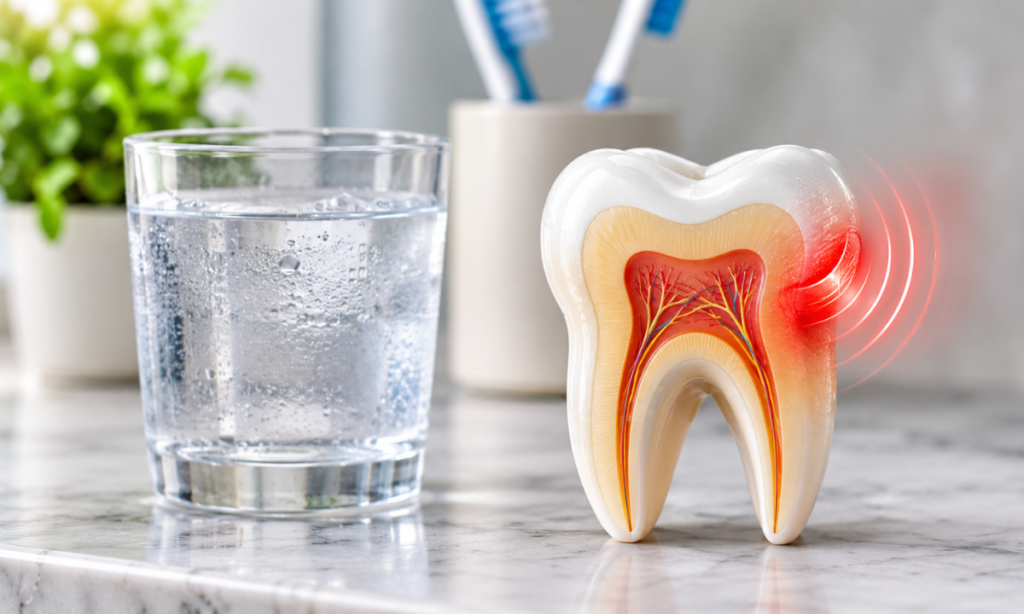
Tooth sensitivity, also called dentin hypersensitivity, is a short, sharp pain triggered by certain stimuli, such as cold drinks, hot foods, sweet foods, acidic substances, or brushing.
The outer surface of a tooth is protected by enamel. Beneath the enamel is dentin, which contains tiny channels connected to the tissues surrounding the tooth’s nerve. When dentin becomes exposed, certain stimuli can trigger pain.
Sensitivity can affect one tooth or several teeth. The location, duration, and type of pain can help a dentist determine the likely cause.
What Are the Main Dental Sensitivity Causes?
Several dental conditions and everyday habits can contribute to sensitive teeth. The most common causes include enamel erosion, gum recession, tooth decay, cracked teeth, and recent dental procedures.
1. Enamel Erosion
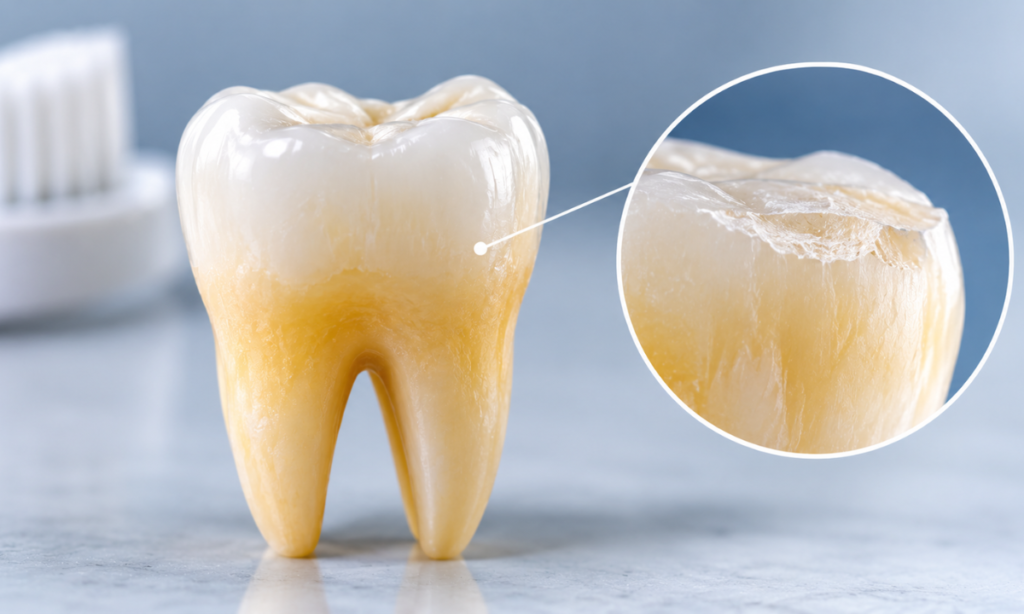
Enamel is the hard outer layer that protects your teeth. When it wears away, the underlying dentin becomes more exposed, increasing the likelihood of sensitivity.
Common contributors to enamel erosion include:
- Frequent consumption of acidic drinks, such as soft drinks and citrus juices.
- Regularly eating acidic foods.
- Acid reflux, which can expose teeth to stomach acid.
- Brushing aggressively with a hard-bristled toothbrush.
- Using abrasive dental products excessively.
To help protect enamel, limit frequent exposure to acidic drinks and use a soft-bristled toothbrush with fluoride toothpaste.
2. Gum Recession
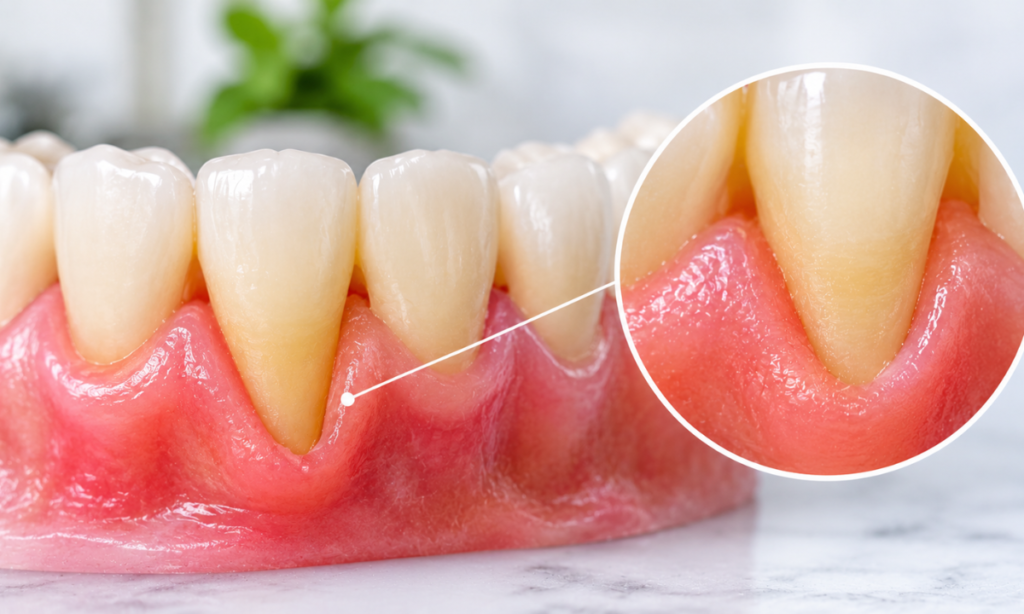
Gum recession occurs when the gum tissue moves away from the tooth, exposing the root surface. Unlike the crown of a tooth, the root does not have an enamel covering.
This exposed surface can become sensitive to cold water, hot drinks, touch, and brushing.
Possible contributors to gum recession include:
- Brushing too forcefully.
- Gum disease.
- Thin gum tissue.
- Tooth position and certain anatomical factors.
- Other local dental conditions.
If you notice that your teeth look longer than before or your gums are pulling away from the teeth, arrange a dental examination.
3. Tooth Decay and Cavities
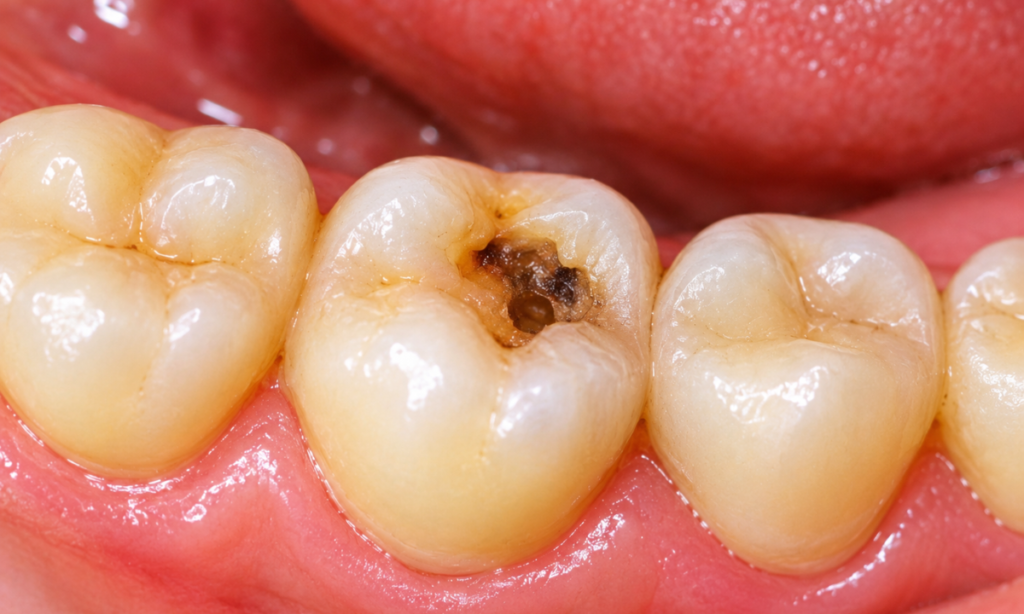
Tooth decay develops when acids produced by bacteria damage the tooth structure. As the decay progresses, it can expose dentin and cause sensitivity.
Possible symptoms include:
- Pain when eating sweets.
- Sensitivity to cold or hot foods.
- Discomfort when chewing.
- A visible hole or dark spot in a tooth.
Early decay may cause no noticeable symptoms. If decay reaches the inner pulp, it can lead to more persistent pain and may require root canal treatment or other additional treatment.
A dentist can examine the tooth and determine whether a filling or another treatment is necessary.
4. Cracked or Chipped Teeth
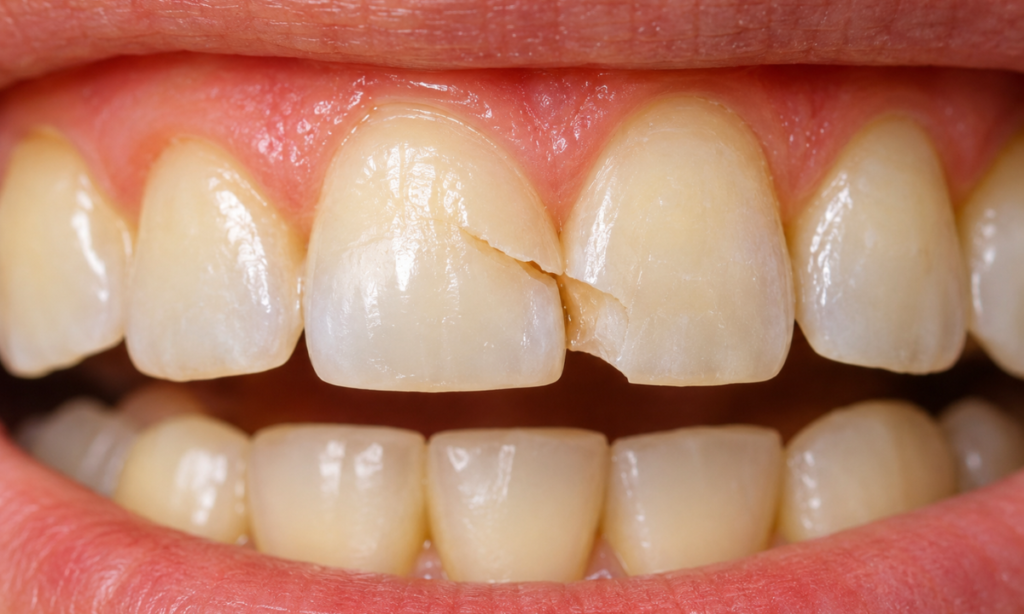
A cracked or chipped tooth can expose sensitive inner structures. Some cracks are difficult to see without a dental examination or 3D dental imaging.
Symptoms may include:
- Sharp pain when biting.
- Discomfort when releasing the bite.
- Sensitivity to hot or cold foods.
- Pain that comes and goes while chewing.
Avoid chewing hard foods on the affected side until the tooth has been assessed. A crack can worsen if left untreated, so seek dental advice if you experience pain when biting.
5. Brushing Too Hard
Brushing harder does not necessarily clean your teeth better. Excessive pressure, particularly with a hard-bristled toothbrush, can contribute to gum irritation, gum recession, and wear near the gumline.
To reduce the risk:
- Use a soft-bristled toothbrush.
- Apply gentle pressure.
- Brush for two minutes twice daily.
- Use fluoride toothpaste.
- Avoid scrubbing aggressively from side to side.
If sensitivity persists despite changing your brushing technique, consult a dentist to check for other causes.
6. Acidic Foods and Drinks
Frequent exposure to acidic foods and beverages can gradually soften and erode enamel.
Common examples include:
- Carbonated soft drinks.
- Citrus fruits and juices.
- Vinegar-based drinks or foods.
- Sports and energy drinks.
- Other highly acidic beverages.
You do not necessarily need to avoid every acidic food. Instead, limit frequent sipping or repeated exposure throughout the day.
After consuming acidic foods or drinks, rinse your mouth with water. Avoid brushing immediately; waiting around 30–60 minutes gives softened enamel time to recover some of its hardness.
7. Teeth Grinding and Clenching
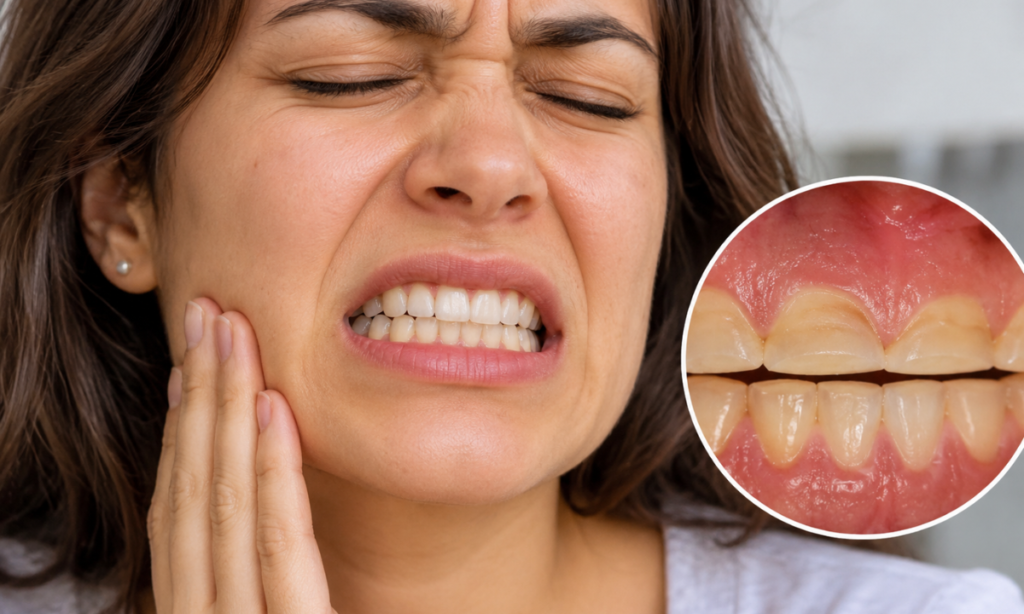
Grinding or clenching your teeth, particularly during sleep, can place excessive pressure on the teeth. Over time, this may contribute to enamel wear, cracks, jaw discomfort, and sensitivity.
Possible signs include:
- Flattened or worn tooth surfaces.
- Jaw soreness in the morning.
- Headaches around the temples.
- Tooth pain when biting.
- Increased sensitivity without an obvious cavity.
A dentist can assess signs of grinding and discuss suitable options. A custom night guard may be recommended when appropriate.
8. Recent Dental Treatment
Some people experience temporary sensitivity after procedures such as:
Some people experience temporary sensitivity after procedures such as:
- Dental fillings.
- Professional teeth whitening.
- Dental crown preparation.
- Deep cleaning or scaling.
- Other restorative treatments.
The duration depends on the procedure and the condition of the tooth before treatment. Mild sensitivity may settle, but severe, worsening, or persistent pain should not be ignored.
Contact your dentist if the pain is increasing, your bite feels uneven after a filling, or symptoms do not improve as expected.
9. Gum Disease
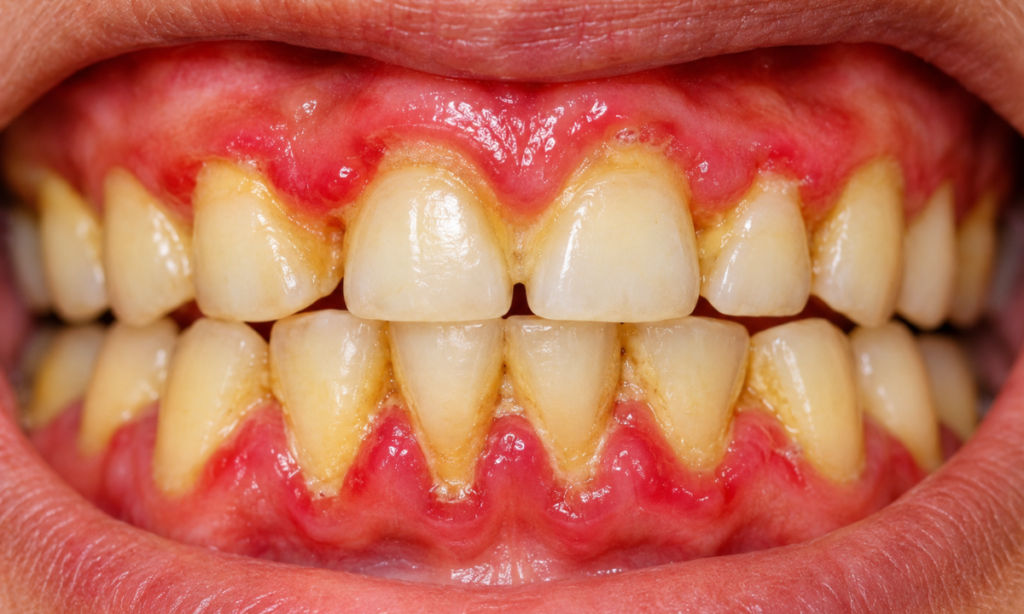
Gum disease affects the tissues supporting the teeth. As it progresses, the gums may recede and expose root surfaces, making teeth more sensitive.
Other warning signs can include:
- Bleeding gums.
- Swollen or tender gums.
- Persistent bad breath.
- Gum recession.
- Loose teeth in advanced cases.
Gum disease needs professional assessment and gum treatment. Good brushing and interdental cleaning can help prevent plaque accumulation, but established gum disease may require professional care.
10. Dental Whitening Products
Some teeth whitening treatments, such as in-office whitening or laser teeth whitening, can cause temporary tooth sensitivity. This may occur because whitening agents can pass through tooth structures and temporarily irritate the tissues associated with the tooth’s nerve.
Sensitivity may be more noticeable when using stronger products or when teeth already have exposed dentin, cavities, or cracks.
If whitening causes significant discomfort, stop using the product and seek advice from your dentist. A dental examination before whitening can help identify conditions that should be addressed first.
Why Are My Teeth Sensitive to Cold Water?
Sensitivity to cold water is a common complaint. It can occur when dentin becomes exposed due to enamel erosion, gum recession, or tooth wear.
However, cold sensitivity can also occur with cavities, cracked teeth, or inflammation of the tooth’s pulp.
The pattern of pain can provide useful clues:
- Brief pain that stops quickly: May be associated with exposed dentin or mild sensitivity.
- Pain that continues after the cold stimulus is removed: May indicate a deeper problem that needs assessment.
- Sensitivity in one specific tooth: May be associated with decay, a crack, a defective filling, or another local issue.
- Sensitivity across several teeth: May be associated with enamel erosion, gum recession, or generalised dentin exposure.
These patterns are not enough to make a diagnosis. A dentist may need to examine the teeth and gums and take X-rays if indicated.
Why Do My Teeth Hurt When I Eat Sweets?
Sweet foods can trigger discomfort when dentin is exposed or when a tooth has decay.
Sugar itself does not always cause immediate tooth pain. However, pain when eating sweets can be a sign of a cavity or another dental problem, particularly when the discomfort is concentrated in one tooth.
If the sensitivity happens repeatedly, arrange a dental examination rather than simply avoiding sweet foods.
How to Reduce Tooth Sensitivity at Home
The right approach depends on the cause, but several steps can help manage mild sensitivity.
Use Desensitising Toothpaste
Desensitising toothpaste contains ingredients that help reduce the transmission of pain signals or block pathways within exposed dentin.
Use it consistently according to the product instructions. It may take several applications over days or weeks to notice an improvement.
Brush Gently
Use a soft-bristled toothbrush and fluoride toothpaste. Avoid applying excessive pressure or using abrasive products in an attempt to remove stains.
Reduce Frequent Acid Exposure
Limit frequent sipping of acidic drinks. Rinse your mouth with water after consuming acidic foods and wait approximately 30–60 minutes before brushing.
Avoid Triggers Temporarily
If very cold, hot, or acidic foods cause discomfort, choose less irritating alternatives while you arrange an assessment if symptoms persist.
Maintain Oral Hygiene
Brush twice daily and clean between your teeth every day. These habits, along with regular preventive dentistry visits, help reduce plaque accumulation and the risk of tooth decay and gum disease.
Important: Home care may reduce sensitivity, but it cannot repair a cavity, treat a cracked tooth, or reverse established gum recession. Persistent symptoms need professional assessment.
When Should You See a Dentist for Tooth Sensitivity?
Occasional, brief sensitivity may not indicate a serious problem. However, dental assessment is important when symptoms persist, recur frequently, or affect one particular tooth.
Arrange a dental appointment if you experience:
- Sensitivity that does not improve with appropriate toothpaste and gentle brushing.
- Pain when biting or chewing.
- A visible cavity, chip, or crack.
- Gum recession or bleeding gums.
- Pain that lingers after hot or cold foods.
- Sensitivity following a recent dental procedure that is worsening rather than improving.
Seek urgent dental care for severe pain or swelling. Facial swelling accompanied by difficulty breathing or swallowing requires emergency medical attention.
Dental Sensitivity Treatment at DDC Smiles
The treatment for sensitive teeth depends on the underlying cause. A dentist at DDC Smiles may examine the teeth and gums, using tools such as an intraoral camera to show you the problem area, assess your symptoms, and recommend further investigations when needed.
Possible treatments include:
- Desensitising products: For appropriate cases of exposed dentin.
- Fluoride treatments: To help strengthen tooth surfaces and manage sensitivity.
- Dental fillings: When tooth decay or a damaged restoration needs repair.
- Gum treatment: When gum disease contributes to recession or root exposure.
- Restoration of damaged teeth: When a crack, chip, or significant tooth wear requires treatment.
- Further treatment for pulp involvement: When decay or inflammation affects the inner tissues of the tooth.
Not every patient needs the same treatment. Identifying the cause is the first step towards choosing an appropriate solution.
Visit the DDC Smiles website to learn more about the clinic, explore its dental services, or contact the clinic to enquire about an appointment.
Frequently Asked Questions
1. What are the main dental sensitivity causes?
Common causes include enamel erosion, gum recession, tooth decay, cracked teeth, gum disease, teeth grinding, and temporary sensitivity after certain dental procedures. The correct cause depends on your symptoms and dental examination.
2. Why are my teeth suddenly sensitive?
Sudden sensitivity may develop due to a cavity, cracked tooth, gum recession, enamel erosion, or a recent dental procedure. If the pain is severe, affects one tooth, or persists, arrange a dental examination.
3. Can sensitive teeth return to normal?
Mild sensitivity may improve when the trigger is removed and appropriate care is started. However, exposed roots, cavities, and cracks may need professional treatment. The outcome depends on the underlying cause.
4. Which toothpaste is best for sensitive teeth?
A fluoride toothpaste formulated for sensitive teeth may help. Look for products containing recognised desensitising ingredients and use them as directed. If sensitivity continues, consult your dentist.
5. Can brushing too hard cause tooth sensitivity?
Yes. Brushing too forcefully may contribute to gum recession and tooth wear, exposing sensitive areas. A soft-bristled toothbrush and gentle brushing technique can help reduce this risk.
6. Does tooth sensitivity mean I have a cavity?
Not always. Sensitivity can result from enamel erosion, gum recession, whitening products, or other causes. However, a cavity is one possible explanation, particularly if one tooth repeatedly hurts when eating sweets or drinking cold beverages.
7. Why do my teeth hurt after teeth whitening?
Whitening products can cause temporary sensitivity in some people. If discomfort is severe, persists, or worsens, stop using the product and contact your dentist.
8. Can gum recession cause sensitive teeth?
Yes. Gum recession can expose the tooth root, which lacks the protective enamel covering found on the crown. This can make the tooth sensitive to cold, heat, touch, or brushing.
9. How long does tooth sensitivity last?
The duration depends on the cause. Sensitivity after some dental procedures may be temporary, while sensitivity caused by decay, cracks, or gum problems may continue until the underlying issue is addressed.
10. When is tooth sensitivity a dental emergency?
Severe or rapidly worsening pain, facial swelling, or signs of infection require urgent assessment. If facial swelling affects breathing or swallowing, seek emergency medical care immediately.
Conclusion
Understanding dental sensitivity causes can help you recognise possible triggers and take appropriate steps to protect your teeth. Enamel erosion, gum recession, cavities, cracked teeth, and teeth grinding are among the common reasons for sensitivity.
Using fluoride toothpaste, brushing gently, and reducing frequent exposure to acidic drinks may help manage mild symptoms. However, persistent or severe pain should be assessed by a dentist because the correct treatment depends on the underlying cause.
If your teeth hurt when drinking cold water, eating sweets, or brushing, arrange a dental assessment to determine the cause and discuss suitable treatment
Reference:
