

Experiencing a sharp, sudden flash of discomfort while enjoying a cold beverage or a hot spoonful of soup is a remarkably common yet disruptive experience. This uncomfortable sensation, known as teeth sensitivity, serves as an essential biological warning sign that the inner, more vulnerable layers of your teeth have lost their protective shield.
Identifying the root cause of this discomfort requires specialized diagnostic care, and visiting a modern Dental clinic in HSR Layout ensures you receive a comprehensive evaluation to accurately map your enamel health and create an effective treatment path.
Dental sensitivity is rarely a random occurrence; it is a direct reflection of structural changes within the mouth, such as micro-wear on the outer tooth surface or shifting gum lines. While the initial jolt can feel alarming, it is important to realize that this condition is highly manageable and treatable.
Rather than permanently avoiding your favorite foods or tolerating daily discomfort, understanding the underlying mechanisms of your teeth allows you to take control of your oral health.
Our educational focus is designed to help you decode these vital signals from your body, transforming dental anxiety into proactive care so you can smile comfortably and confidently every day.
Medical Disclaimer
The clinical insights, structural explanations, and preventive strategies provided in this guide are intended strictly for educational and informational purposes. This content does not constitute professional medical advice, an official dental diagnosis, or a definitive treatment protocol. Dental sensitivity profiles are highly unique structural conditions that can sometimes mask deeper underlying issues, such as deep-seated cavities, cracked tooth syndrome, or internal pulp infections.
Always consult a qualified dentist or a board-certified oral healthcare professional to evaluate your specific symptoms before changing your routine or beginning any new home care regimen. Never delay seeking professional dental attention based on the material read in this article.
Understanding The Mechanism of Tooth Sensitivity
To truly understand why your teeth react sharply to everyday temperatures, it helps to look closely at the hidden architecture of a tooth. Your teeth are not solid, inert structures; they are dynamic, living systems built in layers.
When these layers undergo structural changes, the underlying pathways to your dental nerves become vulnerable, leading directly to that familiar, sudden jolt of discomfort.
The structural health of your smile relies entirely on the relation between three primary layers:
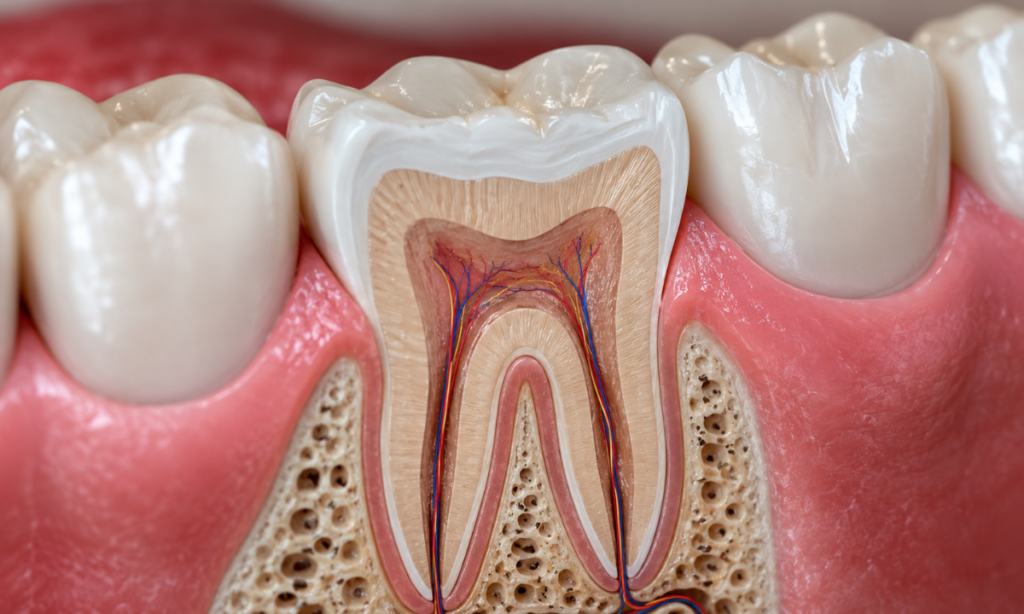
1. The Outer Enamel Shield: This is the visible, white outer shell of the tooth. It is the hardest substance in the human body, completely devoid of nerves, designed to withstand the physical pressures of chewing and protect the inner structures.
2. The Porous Dentin Core: Located directly beneath the enamel, dentin makes up the bulk of the tooth structure. Unlike enamel, dentin is highly porous, containing thousands of microscopic pathways known as dentinal tubules that lead straight to the center of the tooth.
3. The Internal Pulp Chamber: This is the vital heart of the tooth, housing the delicate blood vessels and highly sensitive nerve endings that keep the tooth alive.
When the protective enamel shield wears thin, or when the gums pull away from the roots, these microscopic dentinal tubules become exposed to the open environment of your mouth. When you consume something cold, hot, sweet, or acidic, fluid moves rapidly inside these open microscopic tubules.
This rapid fluid shift applies direct pressure to the nerve endings inside the pulp chamber, triggering an immediate electrical signal to the brain.
Mapping Structural Condition to Daily Habits
| Structural Condition | Biological Impact | Primary Everyday Trigger |
|---|---|---|
| Enamel Abrasion | Physically wears down the thick, protective outer layer of calcium crystals on the crowns. | Using a hard-bristled toothbrush or scrubbing the teeth with aggressive, back-and-forth sawing motions. |
| Gingival Recession | Pulls the protective gum tissue away from the neck of the tooth, exposing the vulnerable root surface. | Chronic, untreated plaque buildup along the gumline or natural aging combined with heavy biting forces. |
| Acid Erosion | Chemically dissolves the mineralized surface layers, leaving the dentin tubules completely open. | Frequent consumption of carbonated beverages, citrus juices, or chronic acid reflux tracking into the mouth. |
| Bruxism (Teeth Grinding) | Subjects the chewing surfaces to massive mechanical stress, causing micro-fractures near the gumline. | Unconscious stress or nighttime clenching, which actively shears away the thin enamel at the necks of the teeth. |
Characterizing the Sensory Response
1. Transient Duration: The discomfort is almost always brief and sharp, arriving instantly when a trigger touches the tooth and disappearing within a few seconds after the trigger is removed.
2. Stimulus-Driven: The sensation is never spontaneous; it strictly requires an external catalyst, such as a gust of cold winter air, a sweet piece of candy, or a sip of hot tea, to set the internal fluid dynamics in motion.
3. Localized Aggregation: While it can affect the entire mouth, it commonly concentrates heavily along the gum lines of the premolars and canines, where the enamel layer is naturally at its thinnest point.
Understanding the structural mechanics behind these open pathways, you can see that sensitivity is not a permanent mystery. It is a highly logical, physical reaction to exposed dentin, showing exactly why protecting your enamel shield is the ultimate secret to eating, drinking, and smiling without restriction.
Post-Treatment Teeth Sensitivity Explained
One of the most common sources of dental anxiety occurs when a patient leaves a dental appointment only to notice a new, temporary tingling sensation. It is completely natural to worry that post-treatment discomfort means a procedure didn’t go as planned.
However, experiencing mild, short-term sensitivity after dental care is often just a normal sign of tissue healing and adaptation. Your teeth are living organs, and when they undergo therapeutic changes, the internal nerves require a short window of time to settle down.
Understanding what happens during different standard procedures can help ease your mind during your recovery:
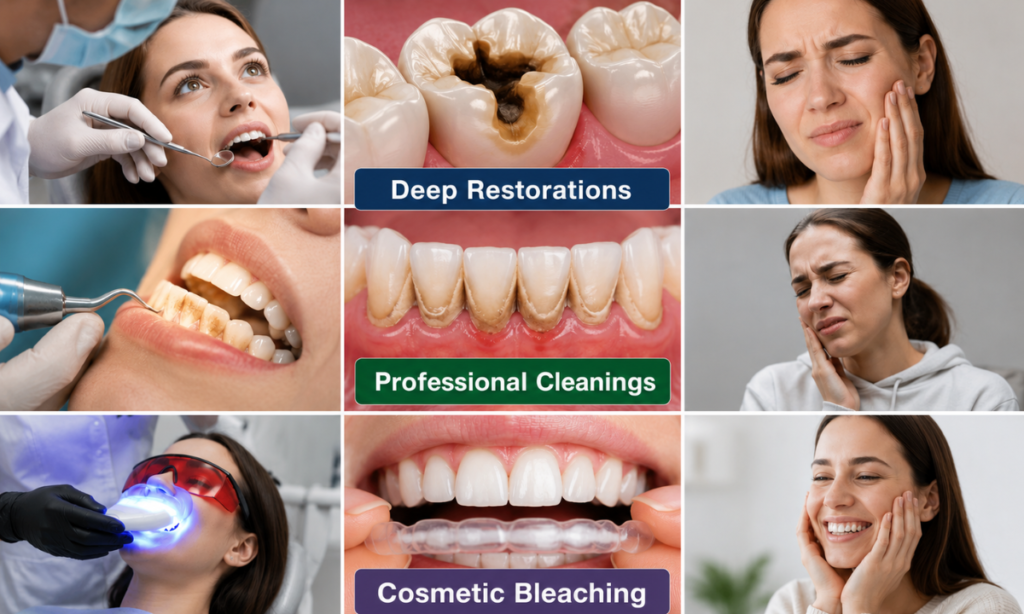
Deep Restorations:
When deep decay is cleaned out, the dental professional operates very close to the tooth’s internal nerve chamber.
The physical preparation and structural change can cause mild, temporary inflammation in the pulp tissue. This often results in a brief period of teeth sensitivity after filling placement, which typically tapers off within a few days to a couple of weeks as the nerve adapts to the new protective material.
Professional Cleanings:
Over months or years, calcified tartar (calculus) can build up along the gumline, inadvertently acting like a hard blanket over the tooth roots.
When this mineralized buildup is lifted away during a deep hygiene session, it exposes areas of the root that haven’t felt the open air or temperature shifts in a long time. This can cause a baseline wave of teeth sensitivity after scaling treatments, which naturally resolves as the gum tissue heals and reattaches snugly around the neck of the tooth.
Cosmetic Bleaching:
Aesthetic brightening treatments can also trigger a temporary sensory response. Active whitening gels safely penetrate the enamel matrix to break up deep organic stains, which can briefly leave the underlying micropores slightly open.
This chemical process can cause a short-lived bout of teeth sensitivity from whitening procedures, which generally clears up entirely within 24 to 48 hours as the natural minerals in your saliva work to reseal the surface layer.
Recognizing the difference between a permanent structural issue and a temporary healing phase, you can navigate your post-treatment recovery with peace of mind, knowing that your smile is simply adjusting to its healthier, renewed state.
Identifying Environmental and Dietary Culprits
Isolating the everyday elements that set off a sharp nerve reaction is a major step toward reclaiming your daily comfort. When dentin pathways are exposed, completely ordinary foods, beverages, and environmental changes act as sudden stimuli.
These triggers generally fall into three distinct scientific categories: thermal shocks, chemical irritations, and mechanical friction.
Understanding how these external forces interact with your teeth allows you to identify your personal discomfort thresholds and avoid unexpected visual surprises during meals.
The Sensory Trigger and Action
| Catalyst Category | Specific Everyday Examples | Microscopic Action on the Tooth |
|---|---|---|
| Thermal Shocks | Iced water, ice cream, hot coffee, piping hot soups, or breathing in crisp winter air. | Causes rapid contraction or expansion of the fluid inside the dentin pores, pulling directly on the internal pulp nerves. |
| Chemical Irritation | Citrus fruits (lemons, oranges), vinegar-based dressings, sour candies, and refined sugars. | High-acid items temporarily dissolve superficial mineral plugs, while concentrated sugars draw moisture outward via osmosis. |
| Mechanical Friction | Aggressive horizontal brushing, fingernail biting, or using toothpicks incorrectly. | Physically disturbs the exposed nerve endings at the base of the tooth, causing immediate localized discomfort. |
The pH Scale
To protect your outer layer from chemical wear, it helps to look at the acidity levels of common snacks. When the environment in your mouth falls below a specific threshold, it accelerates the opening of vulnerable microscopic pores.
Clinical Insight: The critical pH threshold for human enamel is 5.5. Any beverage or food item with a pH value lower than 5.5 actively strips away surface minerals. For instance, standard carbonated sodas average a highly acidic pH of 2.5, while black coffee sits around 5.0.
Consistently exposing your mouth to this acidic zone leaves internal pathways completely unprotected.
Analyzing Everyday Patterns
1. The Sequential Temperature Trap: Alternating between hot and cold items within the same meal such as sipping iced water immediately after a hot spoonful of soup subjects the tooth structure to rapid thermal changes that stress the internal nerve chamber.
2. The Post-Acid Brushing Error: Brushing your teeth immediately after consuming acidic foods like citrus fruits or wine can be counterproductive. The acid temporarily softens the outer surface layer, meaning immediate scrubbing can accidentally brush away the softened minerals.
3. The Atmospheric Shift: Simply stepping out into cold, windy weather can trigger discomfort if you breathe heavily through your mouth, as the direct flow of cold air hits the front teeth instantly.
Proactive Prevention with Practical Strategies for Long-Term Protection
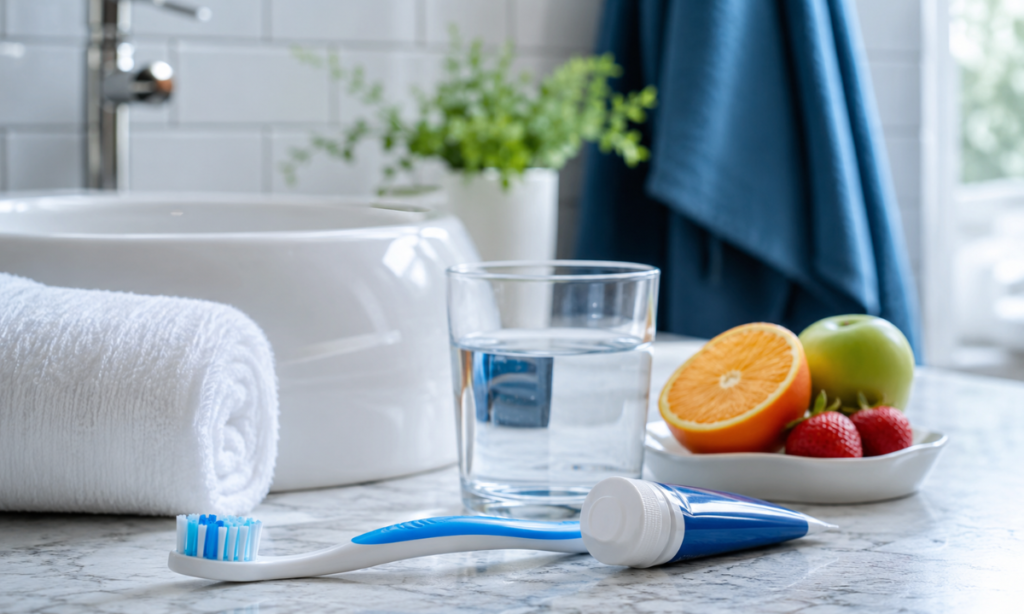
Transforming your daily routine from a state of constant caution to active oral defense is entirely possible with a few structural adjustments at home. Preventing sharp twinges does not require complex medical interventions; rather, it hinges on building everyday habits that reinforce your enamel shield and soothe the nerve pathways within your dentin core.
Applying targeted, expert-backed home care habits, you can naturally lower the internal fluid shifts in your teeth and enjoy your meals without unexpected interruptions.
How Desensitizing Pastes Work
1. Calming the Nerve: Potassium nitrate works by penetrating deep into the open dentin pathways. Once inside, the potassium ions build up around the nerve endings in the pulp chamber, temporarily blocking the electrical transmission of discomfort signals to your brain.
2. Plugging the Pathways: High-fluoride variants work from the outside in, attracting calcium minerals from your saliva to physically build a microscopic layer over the open pores, sealing the pathways shut.
3. Consistency is Key: These formulations are not instant fixes. They require continuous use for at least two to three weeks to build up a protective barrier within the tubules.
Safe Brushing
1. Ditch the Sawing Motion: Avoid scrubbing your teeth back and forth in harsh horizontal straight lines. This acts like a saw against the thin enamel near your gums, carving out deep grooves over time.
2. The 45-Degree Angle: Hold your toothbrush at a gentle 45-degree angle pointing toward the gumline. This ensures the bristles clean beneath the gum collar, where plaque loves to hide, without causing structural damage.
3. Embrace Gentle Circles: Move the brush head in soft, light circular motions across the front, back, and biting surfaces. Let the tips of the soft bristles do the work, applying minimal pressure.
Dietary Adjustments to Safeguard Your Teeth
1. The Post-Acid Waiting Rule: If you consume citrus fruits, tomato-based sauces, or carbonated beverages, wait at least 30 to 45 minutes before brushing your teeth. This gives your saliva enough time to naturally neutralize the acid and re-harden the softened minerals.
2. The Neutralizing Water Rinse: Immediately after consuming an acidic snack, swish a mouthful of plain water around your mouth. This simple step washes away residual sugars and acids, restoring a balanced pH environment before it can open up your micro-pores.
When enjoying chilled juices or iced teas, using a straw helps bypass the front teeth entirely, directing the liquid past your most vulnerable enamel surfaces.
Why Choose DDC Smiles?
Resolving chronic tooth discomfort requires moving beyond generic remedies to uncover the precise structural breakdown affecting your enamel. Whether you are looking for long-term relief near our primary facilities or planning a visit to our trusted Dental clinic in Koramangala, you will find an environment completely optimized for modern oral diagnostics.
Instead of guessing why a specific tooth is tingling, our multi-MDS panel uses advanced infrastructure to target the root cause of your discomfort.
Here is how DDC Smiles addresses sensitive teeth with absolute precision:
1. Advanced On-Site Imaging: High-resolution digital X-rays instantly rule out deep decay, microscopic enamel fractures, or underlying root changes.
2. Targeted Desensitization Modalities: Laser-assisted desensitization and medical-grade fluoride varnishes physically seal open dentin tubules for immediate comfort.
3. Custom Protective Appliances: Precision-fit night guards insulate teeth against the massive mechanical stress of nighttime grinding.
You get direct access to specialized endodontists and periodontists under one roof to coordinate fast, long-term healing paths.
Conclusion
Persistent dental twinges are not a permanent condition you are forced to live with; they are simply clear messages from your oral anatomy that your protective enamel shield requires attention.
Whether your discomfort stems from everyday wear, dietary acids, or normal healing cycles following professional care, the path back to total comfort is clear, logical, and highly manageable.
Combining mindful, enamel-safe home care habits with targeted clinical treatments, you can completely insulate your teeth from everyday environmental changes. Partnering with DDC Smiles allows you to move forward with a strong, healthy smile that lets you enjoy life to the absolute fullest.
Reference:
1. https://my.clevelandclinic.org/health/symptoms/10954-teeth-sensitivity
2. https://www.mouthhealthy.org/all-topics-a-z/sensitive-teeth
