



Many dental problems develop gradually, often without noticeable pain in the early stages. Tooth decay, plaque buildup and gum disease may progress before you realise something is wrong. Preventive dentistry helps identify potential problems early and reduces the risk of avoidable dental complications.
It combines regular dental examinations, professional cleaning and daily oral hygiene to help maintain healthy teeth and gums. While preventive care cannot eliminate every dental problem, it can reduce the likelihood of many common conditions and help you maintain your natural teeth for longer.
Key Takeaways
- Preventive dentistry focuses on maintaining oral health and reducing the risk of dental problems.
- Regular dental check-ups help identify cavities, gum disease and other concerns early.
- Professional cleaning removes hardened deposits that brushing and flossing cannot remove.
- Fluoride treatments and dental sealants may help protect teeth against decay.
- Brushing twice daily, cleaning between teeth and limiting sugary foods support long-term oral health.
- The frequency of dental visits depends on your oral health and individual risk factors.
What Is Preventive Dentistry?
Preventive dentistry is the branch of dental care focused on protecting teeth and gums before problems become more serious. It includes professional dental examinations, cleaning, preventive treatments and guidance on maintaining good oral hygiene at home.
The goal is to reduce the risk of conditions such as tooth decay and gum disease while identifying early signs of problems that may require treatment.
Preventive care is important at every age. Children benefit from developing healthy habits early, while adults and older people can use regular dental care to maintain their natural teeth and manage changing oral health needs.
You can explore the available preventive dental services to understand the types of care that may support your oral health.
Why Is Preventive Dentistry Important?
Preventive dental care offers several benefits beyond keeping your teeth clean. It helps dentists monitor changes in your mouth and recommend appropriate care before minor concerns become more complicated.
1. Helps Detect Dental Problems Early
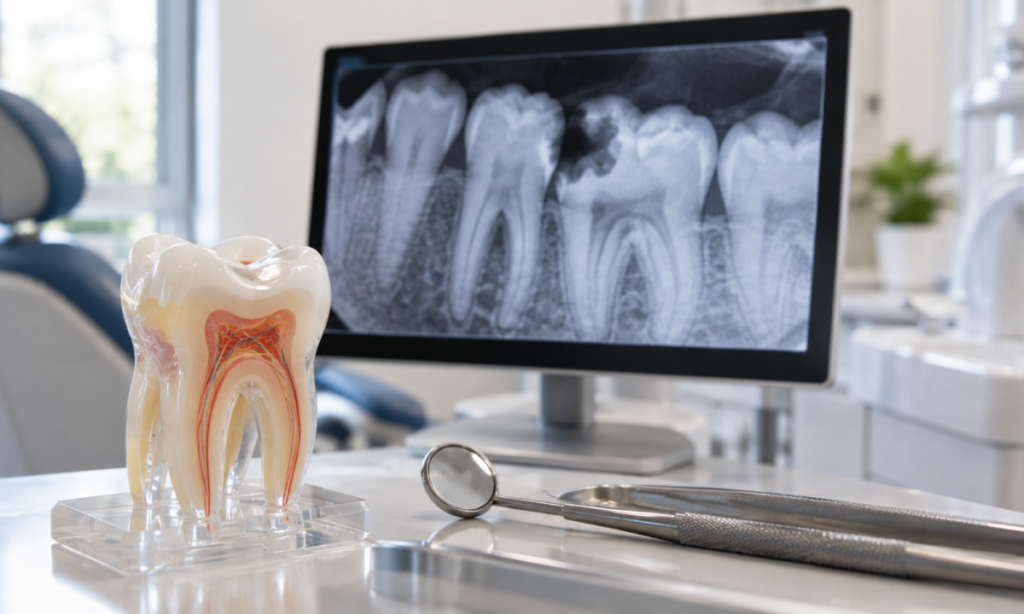
Cavities, gum inflammation and enamel damage may not cause pain initially. During a dental examination, a dentist can look for early signs of these conditions and recommend suitable treatment.
Early detection does not always prevent the need for treatment, but it may help avoid more extensive procedures when problems are addressed promptly.
2. Reduces the Risk of Tooth Decay
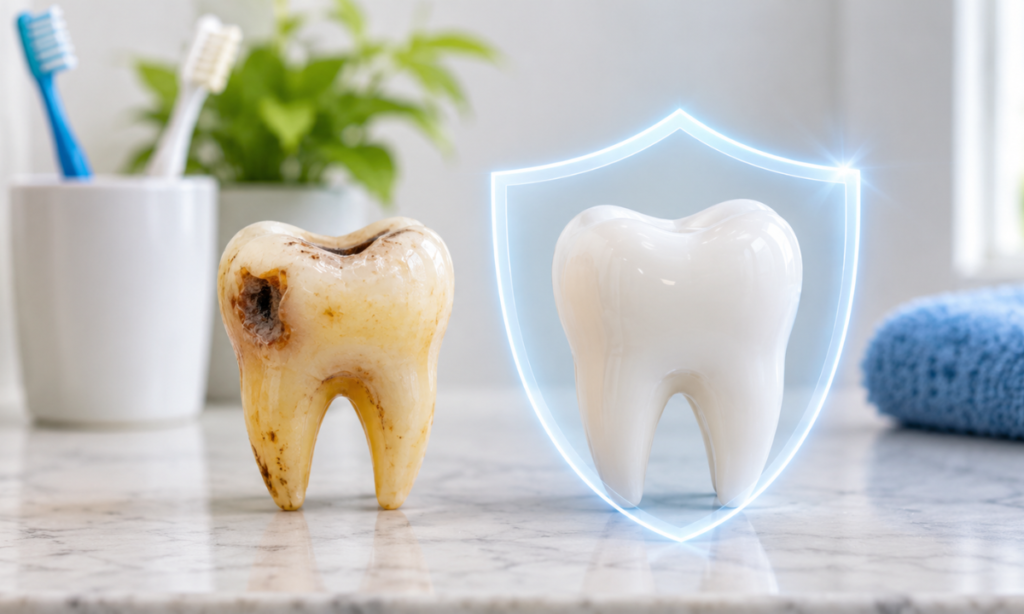
Plaque is a sticky film of bacteria that forms on teeth. When bacteria in plaque use sugars from food and drinks, they produce acids that can damage tooth enamel over time.
Regular brushing with fluoride toothpaste, cleaning between teeth and limiting frequent sugary snacks help reduce the risk of decay. Depending on your needs, a dentist may also recommend fluoride treatments or dental sealants.
3. Supports Healthy Gums
Gum disease can begin with redness, swelling or bleeding during brushing. Without appropriate care, it may progress and damage the tissues and bone supporting the teeth.
Routine examinations and professional cleaning help manage plaque and tartar buildup. Learn more about the causes, symptoms and treatment of gum disease.
4. Helps Preserve Natural Teeth
Untreated dental problems can sometimes lead to extensive restorative treatment or tooth loss. Preventive care helps maintain the condition of natural teeth by addressing risk factors and identifying concerns early.
Although not every dental problem can be prevented, consistent care can support long-term oral function and comfort.
5. Helps Manage Long-Term Dental Costs
Routine examinations and preventive treatments have costs, but identifying problems early may reduce the need for more complex treatment later. The actual cost depends on your oral health, the treatment required and how regularly you receive care.
What Are the Main Types of Preventive Dental Care?
Preventive dentistry includes several forms of professional care. Your dentist may recommend different services depending on your age, dental history and risk of developing oral health problems.
1. Routine Dental Check-Ups
A dental check-up allows your dentist to examine your teeth, gums and other oral tissues for signs of decay, gum disease and other concerns.
Depending on your needs, the examination may include checking existing fillings or crowns, assessing your bite and recommending dental X-rays when clinically necessary.
The appropriate interval between visits varies from person to person. Read our guide on how often you should visit the dentist for more information.
2. Professional Teeth Cleaning
Brushing and flossing remove much of the plaque that accumulates on teeth. However, plaque that remains can harden into tartar, which cannot be removed effectively with a regular toothbrush.
Professional teeth cleaning removes plaque and tartar from areas that are difficult to clean at home. Your dentist may recommend cleaning at intervals suited to your gum health and individual risk.
Learn more about how professional teeth cleaning helps prevent dental problems.
3. Fluoride Treatments
Fluoride helps strengthen tooth enamel and makes teeth more resistant to acid attacks. It can also help remineralise early areas of enamel damage before a cavity develops.
Fluoride toothpaste is an important part of everyday dental care. Depending on your risk of tooth decay, your dentist may recommend additional fluoride products or an in-clinic treatment.
The type and frequency of fluoride treatment should be based on your age, oral health and individual needs.
4. Dental Sealants
Dental sealants are thin protective coatings applied to the chewing surfaces of certain teeth, particularly the back teeth. These surfaces contain grooves where food particles and plaque can accumulate.
Sealants help protect these areas against decay. They are commonly recommended for children and teenagers, although some adults may also benefit.
Find out more about dental sealants for preventing cavities in children and adults.
5. Oral Cancer Screening
During a dental examination, your dentist may check the mouth and surrounding tissues for unusual changes, such as persistent sores, lumps or patches.
Screening does not diagnose cancer on its own. If an abnormal area is found, further assessment may be necessary. Inform your dentist about any oral sore or change that does not heal or resolve as expected.
6. Personalised Oral Hygiene Guidance
Good oral hygiene depends on more than brushing alone. Your dentist can explain how to clean between your teeth, choose suitable oral care products and adjust your routine according to your dental needs.
People with braces, dental implants, gum problems or limited manual dexterity may need specific cleaning techniques or tools.
Daily Habits That Support Preventive Dentistry
Professional dental care works best when combined with consistent habits at home. A practical daily routine can help control plaque, protect enamel and support healthy gums.
Brush Twice a Day
Brush your teeth twice daily using fluoride toothpaste. Use a soft-bristled toothbrush and clean all tooth surfaces gently, paying attention to the gumline and back teeth.
Avoid brushing too aggressively, as excessive pressure may irritate the gums and contribute to tooth wear.
Clean Between Your Teeth
A toothbrush cannot adequately clean every surface between the teeth. Use dental floss or another interdental cleaning aid recommended by your dentist to remove plaque and food particles from these spaces.
Regular interdental cleaning is particularly important for people with crowded teeth or areas where food frequently gets trapped.
Limit Frequent Sugary Snacks and Drinks
Frequent exposure to sugars increases the opportunities for plaque bacteria to produce acids that attack enamel.
Try to limit sugary snacks and drinks between meals. Water is a good everyday beverage, and a balanced diet supports general and oral health.
Avoid Tobacco Products
Smoking and other tobacco use increase the risk of gum disease and oral cancer. Avoiding tobacco supports better oral health and reduces exposure to these risks.
Follow Your Dentist’s Recommendations
Your preventive care needs may change over time. Follow the recommended schedule for check-ups, cleaning and any additional treatments based on your oral health.
For more practical advice, read our guide to choosing the best dental care habits for optimal oral health.
Preventive Dentistry for Children and Adults
Preventive dental care is important throughout life, but the focus may change with age.
Children
Children need guidance to develop effective brushing habits and reduce their risk of tooth decay. Parents can help by supervising brushing, using age-appropriate fluoride toothpaste and limiting frequent sugary foods and drinks.
A child’s first dental visit is generally recommended by the first birthday or within six months after the first tooth appears, whichever comes first.
Learn more about early childhood caries and how parents can help prevent it.
Teenagers
Teenagers may need additional attention to oral hygiene, particularly when wearing braces or other orthodontic appliances. Dental sealants may also be appropriate for certain teeth.
Regular check-ups help identify decay, gum inflammation and other concerns during this stage of development.
Adults
Adults benefit from routine dental examinations, professional cleaning when indicated and consistent daily oral hygiene. Existing fillings, crowns and other dental restorations should also be monitored.
People with a history of cavities or gum disease may need more frequent preventive care.
Older Adults
Older adults may experience dry mouth, gum recession, root decay or difficulties cleaning their teeth. Some medications can also reduce saliva production, which may increase the risk of dental problems.
Regular dental visits and an oral hygiene routine adapted to individual needs can help maintain comfort, chewing ability and natural teeth.
How Often Should You Get Preventive Dental Care?
Many people benefit from a dental check-up approximately every six months, but this is not a universal rule. The right interval depends on your oral health, medical history and risk of developing dental problems.
Your dentist may recommend more frequent visits if you have gum disease, a high risk of cavities, significant tartar buildup or other ongoing concerns. People with consistently healthy teeth and gums may be advised to follow a different schedule.
Professional cleaning should also be planned according to your needs rather than assuming everyone requires it at exactly the same interval.
Do not wait for a scheduled check-up if you develop persistent tooth pain, swollen gums, bleeding that continues, a broken tooth or another concerning oral symptom.
When Should You See a Dentist?
Preventive visits are useful even when your teeth feel healthy. You should also arrange a dental assessment if you notice:
- Bleeding, swollen or tender gums.
- Persistent bad breath.
- Tooth sensitivity that continues or worsens.
- Pain when chewing.
- Food frequently getting trapped between your teeth.
- Visible holes, dark spots or damage to a tooth.
- A sore or unusual patch in your mouth that does not heal.
These symptoms can have different causes, so a dental examination is needed to determine the appropriate treatment. Severe swelling, fever associated with dental pain or difficulty swallowing or breathing requires urgent medical or dental attention.
Frequently Asked Questions
Is preventive dentistry necessary if my teeth do not hurt?
Yes. Some cavities and gum problems develop without noticeable pain in the early stages. Routine dental examinations can help identify these issues before they become more serious.
Can preventive dentistry completely stop cavities?
No. Preventive care reduces the risk of tooth decay but cannot eliminate it entirely. Your risk depends on factors such as oral hygiene, diet, fluoride exposure, saliva production and dental history.
Are professional teeth cleaning and regular brushing the same?
No. Brushing and flossing help control plaque at home, while professional cleaning removes hardened tartar that cannot be removed effectively with a toothbrush. Both contribute to maintaining oral health.
Do adults need dental sealants?
Some adults may benefit from sealants, particularly if the chewing surfaces of their back teeth have deep grooves and are at risk of decay. A dentist can assess whether sealants are suitable.
How often should I have a dental check-up?
A visit every six months is a common starting point, but your dentist may recommend a different interval based on your oral health and risk factors.
Does preventive dentistry include children?
Yes. Preventive care for children includes dental examinations, guidance on brushing, fluoride when appropriate and treatments such as sealants when indicated. Early visits also help parents understand how to protect developing teeth.
Conclusion
Preventive dentistry helps protect teeth and gums through regular examinations, appropriate professional care and consistent oral hygiene at home. It can reduce the risk of common dental problems and help identify concerns before they become more complicated.
Brushing twice daily with fluoride toothpaste, cleaning between teeth, limiting frequent sugary snacks and attending dental check-ups are practical steps towards maintaining long-term oral health. Your dentist can help you choose a preventive care routine that suits your age, dental history and individual needs.
Reference:https://pmc.ncbi.nlm.nih.gov/articles/PMC3964025/
Last Update – 4 Nov 2026
