


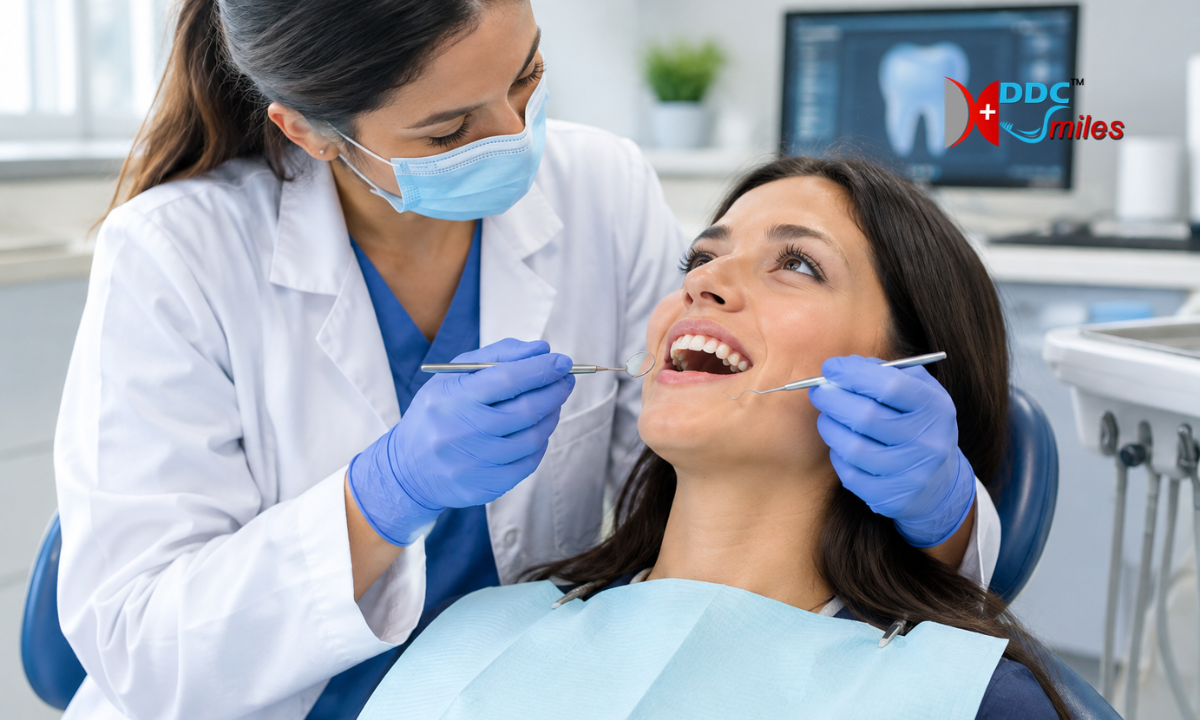
“Every six months” is the answer most people have heard, and for many it is a sensible routine. But the right interval for you depends on your age, your oral health and your risk of problems such as decay and gum disease. Preventive dentistry helps identify potential issues early and maintain healthy teeth and gums through regular checkups and professional care. Some people benefit from visits every three or four months, while others with consistently healthy mouths may safely go longer.
This guide explains how often children, adults and seniors should see a dentist, who needs more frequent visits, the signs that mean you should not wait for your next appointment, and why regular checkups matter even when nothing hurts.
How Often Should Most People Visit a Dentist?
For most adults, a checkup every six months is a good starting point. It is frequent enough to catch early decay and gum problems, and to remove tartar before it causes damage.
However, dental guidance increasingly recommends personalised intervals rather than a single rule. In the UK, for example, NICE guidance suggests dentists set recall intervals between three months and two years for adults, and up to one year for children, based on each person’s risk.
Your dentist will recommend an interval based on factors such as:
- How often you have had cavities in the past
- The health of your gums
- Your oral hygiene and diet
- Whether you smoke or use tobacco
- Medical conditions that affect your mouth
- Whether you have braces, implants, crowns or bridges
If you have not seen a dentist for a while, start with a checkup and ask what interval makes sense for you.
Why Regular Dental Checkups Matter
Many dental problems are painless at first
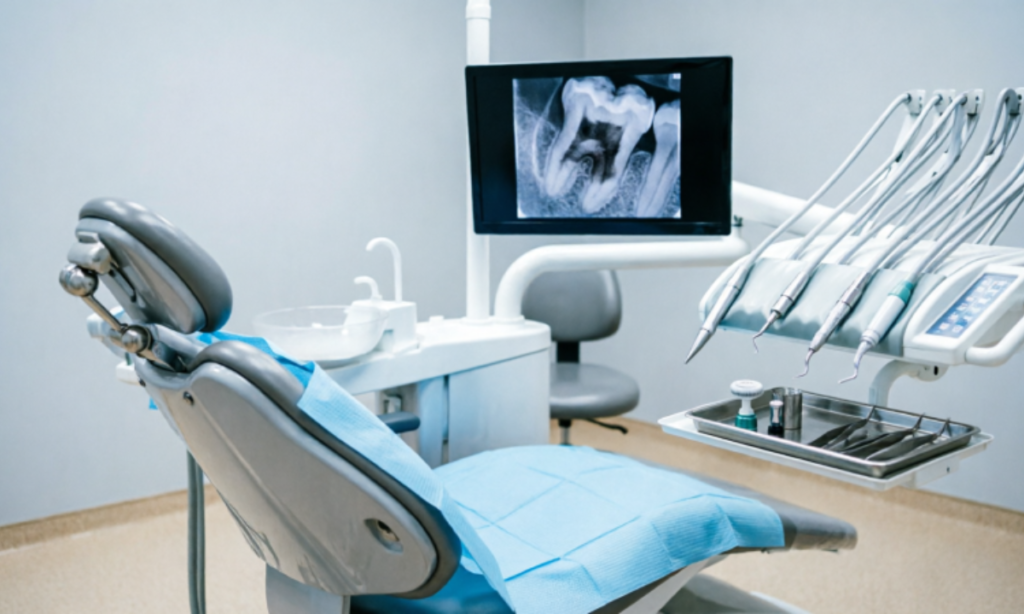
Early tooth decay and gum disease usually cause no pain. By the time a tooth hurts, decay has often reached deeper layers of the tooth, and treatment is more involved. Regular examinations and X-rays can find problems while they are still small and simple to treat.
Brushing cannot remove tartar
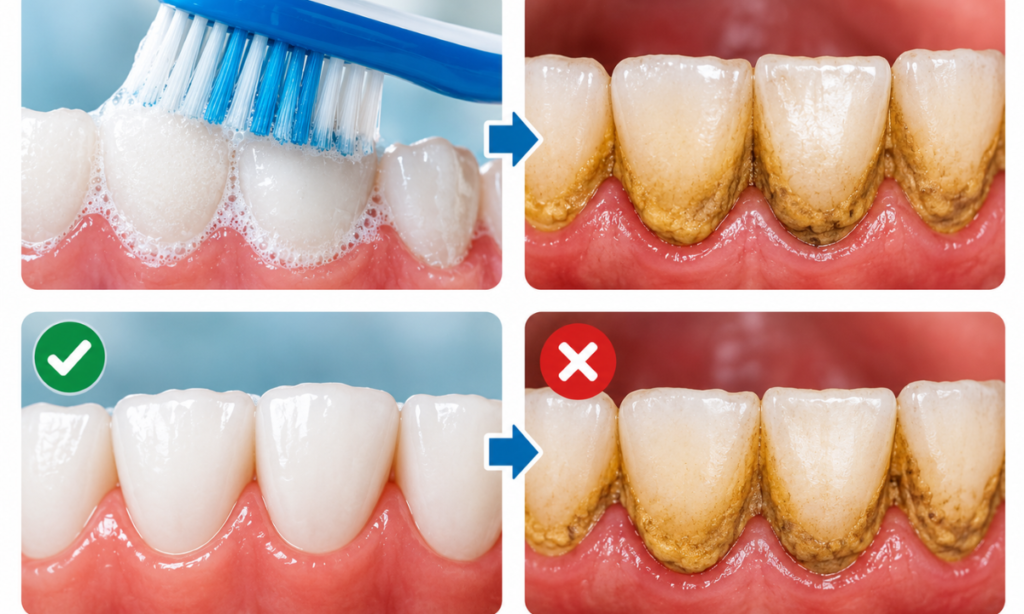
Daily brushing and flossing remove soft plaque, but plaque left behind can harden into tartar (calculus), which cannot be brushed away. Professional cleaning removes tartar from above and below the gumline, which helps prevent gum disease. Learn more about the difference between plaque and tartar.
Early treatment usually costs less
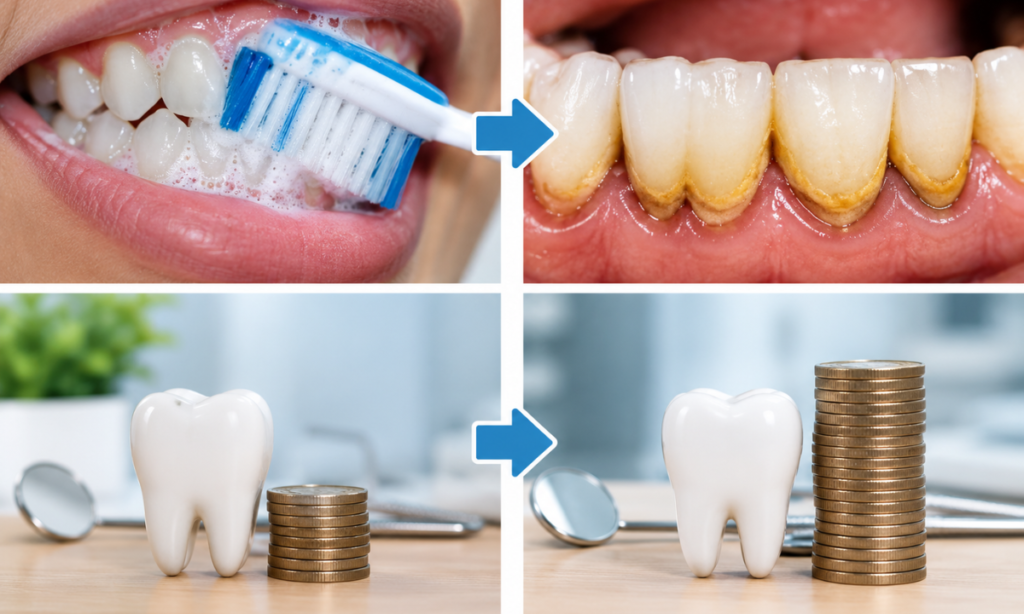
A small cavity found early may need only a filling. Left untreated, it can progress to the nerve and need a root canal and crown, or even extraction and replacement. Regular checkups are one of the most cost-effective ways to protect your teeth.
Checkups look beyond the teeth
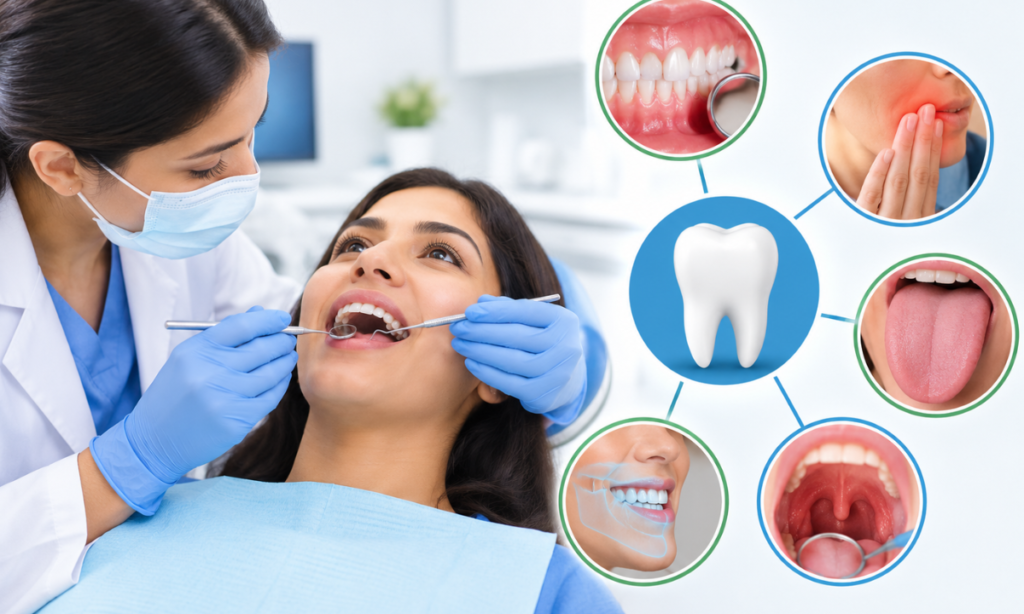
Your dentist also examines your gums, tongue, cheeks and palate for signs of infection, abnormal tissue changes and early signs of oral cancer, which is particularly important for people who smoke or use tobacco.
For a step-by-step look at the appointment itself, read what happens during a routine dental checkup.
How Often Should Children See a Dentist?
A child’s first dental visit should take place when the first tooth appears, or by their first birthday. Early visits help children become comfortable at the dentist and allow problems such as early childhood decay to be spotted quickly.
After that, most children benefit from checkups every six months, though children at higher risk of decay may need more frequent visits. Checkups during childhood also monitor:
- How baby teeth are coming through and falling out
- Development of the bite and jaw
- Habits such as thumb sucking
- Whether preventive treatments such as fluoride varnish or sealants would help
An orthodontic assessment by around seven years of age can also identify bite problems early. Learn more about our kids dentistry services and early childhood caries.
How Often Should Adults See a Dentist?
Adults with healthy teeth and gums and a low risk of decay often do well with a checkup and cleaning every six months, and some may be advised that a longer interval is fine.
Adults should expect their dentist to recommend more frequent visits if they have active gum disease, frequent new cavities, or other risk factors described below. Lifestyle matters too: frequent sugary snacks and drinks, smoking and alcohol all increase the risk of dental problems.
How Often Should Seniors See a Dentist?
Older adults are more likely to experience dry mouth (often caused by medications), gum recession, root decay, worn teeth and existing crowns, bridges, implants or dentures that need monitoring. Many seniors benefit from checkups every three to six months.
People who wear complete dentures still need regular dental visits. Dentists check the fit of the denture and examine the gums and soft tissues for sores or abnormal changes.
Who Needs More Frequent Dental Visits?
Your dentist may recommend visits every three to four months if you:
- Have gum disease or a history of it. Regular professional cleaning helps keep the condition under control. Read more about gum disease.
- Get cavities frequently. Closer monitoring and preventive treatments can reduce new decay.
- Smoke or use tobacco. Tobacco increases the risk of gum disease and oral cancer.
- Have diabetes. Diabetes and gum disease affect each other, so regular gum checks are important.
- Are pregnant. Hormonal changes can make gums more prone to inflammation. Tell your dentist you are pregnant so they can plan care safely.
- Wear braces or aligners. Brackets and wires make cleaning harder, so routine checkups and cleaning are important alongside orthodontic visits. See our guide to hygiene with braces.
- Have dental implants. Implants need regular professional checks to keep the surrounding gums and bone healthy. Read how to care for dental implants.
- Have a dry mouth. Reduced saliva increases the risk of decay.
Signs You Should Not Wait for Your Next Checkup
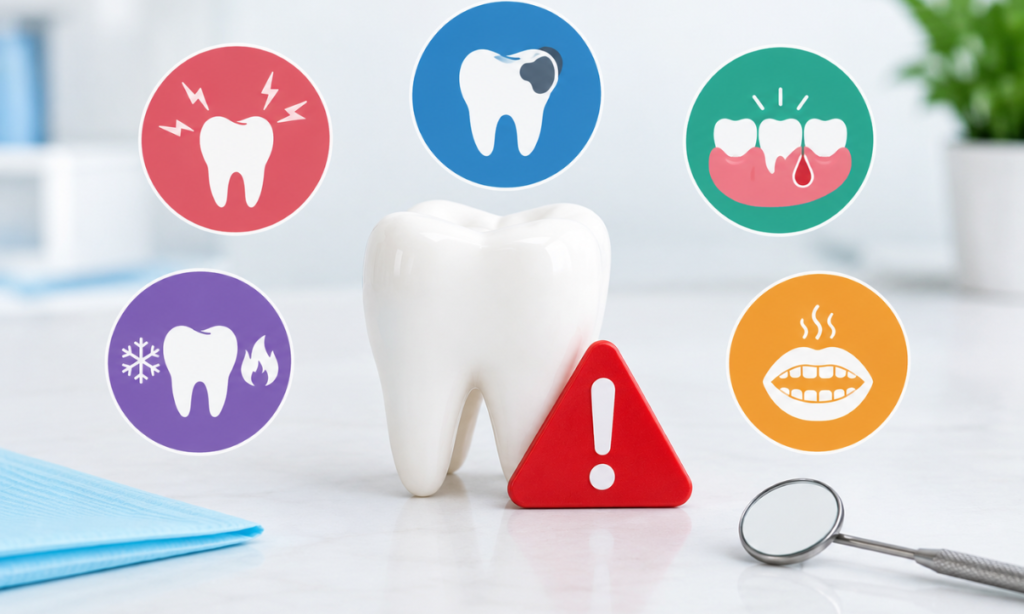
Book an appointment promptly if you notice:
- Toothache, or pain when biting
- Sensitivity to hot or cold that lingers
- Bleeding, swollen or receding gums
- A broken tooth, filling or crown
- Swelling in the gum or face
- A sore, ulcer or patch in the mouth that has not healed within two weeks
- Persistent bad breath or a bad taste
- Loose teeth in an adult
Seek urgent care for facial swelling, fever, difficulty swallowing or a dental injury.
How Professional Cleaning Supports Oral Health
Most checkups include a professional cleaning, known as scaling and polishing. Scaling removes tartar from the teeth and just below the gumline, and polishing removes surface stains and smooths the teeth so plaque is less likely to stick.
People with gum disease may need deeper cleaning across more than one visit. Learn more about how professional teeth cleaning helps prevent dental problems and home versus professional cleaning.
How Much Does a Dental Checkup Cost at DDC Smiles?
Service | Fee |
| General consultation | ₹200 |
| Specialist consultation (MDS) | ₹500 |
| Teeth cleaning | ₹1,000 to ₹1,500 |
| Scaling and air polishing | ₹2,999 |
| OPG (full-mouth X-ray), when needed | ₹500 |
Your dentist will explain which services you need at each visit. See our full price list.
Book Your Checkup at DDC Smiles
DDC Smiles offers checkups and professional cleaning for children, adults and seniors at our clinics in HSR Layout and Koramangala, with in-house digital X-rays for accurate diagnosis. Our dentists will recommend a checkup interval based on your oral health.
Book a Dental Checkup at DDC Smiles
Frequently Asked Questions
Is it necessary to see a dentist every six months?
Six months is a sensible default for many people, but not a fixed rule. Your dentist may recommend shorter or longer intervals depending on your risk of decay and gum disease.
Should I visit the dentist if nothing hurts?
Yes. Early decay and gum disease usually cause no pain, so regular checkups find problems before they become painful and more complex to treat.
What happens if I skip dental checkups for years?
Tartar builds up, gum disease may progress unnoticed, and small cavities can grow. You may need more extensive treatment when you do return, so book a checkup as soon as you can.
When should my child first see a dentist?
When the first tooth appears or by their first birthday, whichever comes first.
How long does a dental checkup take?
Usually 30 to 60 minutes, depending on whether cleaning or X-rays are included.
How often should I get my teeth professionally cleaned?
Most people benefit from a cleaning at each checkup, typically every six months. People with gum disease may need cleaning every three to four months.
Reference:1)https://pmc.ncbi.nlm.nih.gov/articles/PMC1116309/
