

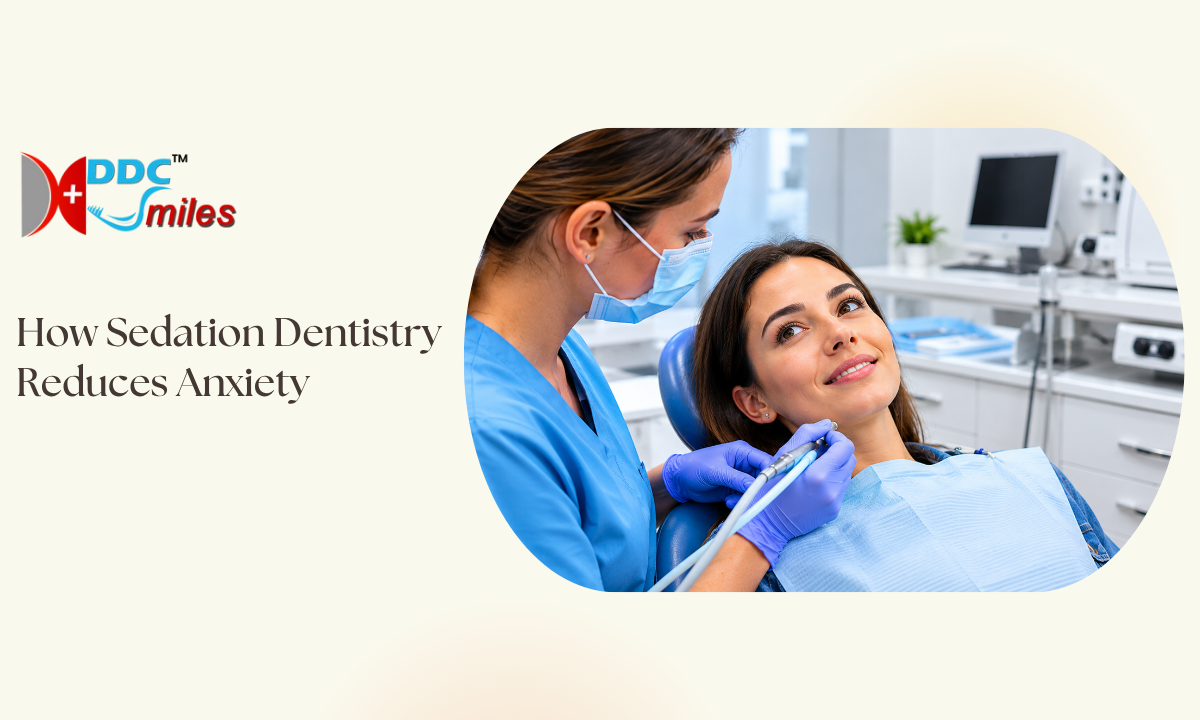
Millions of individuals delay critical oral healthcare due to severe psychological distress associated with clinical environments. Finding the Best dentist in Koramangala and HSR Layout who prioritizes psychological comfort is essential for comprehensive care.
To address this widespread clinical barrier, modern practitioners utilize sedation dentistry for dental anxiety. This advanced pharmacological approach allows patients to undergo necessary treatments without experiencing physiological stress or acute fear responses.
After temporarily modifying the central nervous system response, specialized clinical teams ensure a calm and highly controlled environment.
Avoiding routine diagnostic evaluations and necessary interventions directly leads to severe pathological conditions, including advanced periodontal disease and irreversible structural tooth decay.
Furthermore, the Best Dental Hospital in HSR Layout and Koramangala provides the mandatory infrastructure, including continuous physiological monitoring and hospital-grade sterilization, required for the safe administration of specialized sedatives. This integration of advanced medical protocols with standard oral care permanently alters the patient experience, shifting it from a state of distress to a highly managed, routine medical procedure.
Medical Disclaimer
The information provided in this clinical guide is strictly for educational purposes and does not constitute professional medical advice, diagnosis, or treatment. Always seek the direct guidance of a qualified dental professional or medical specialist regarding specific oral health conditions, anxiety management, and appropriate sedation protocols. Never disregard professional medical advice or delay seeking clinical evaluation based on the contents of this publication.
Key Points at a Glance
- Pharmacological Intervention: Utilizing precisely controlled medications to effectively suppress the physiological fear response during clinical procedures.
- Preventative Necessity: Enabling patients to receive timely diagnostic care before minor oral pathologies require complex surgical extraction.
- Safety Infrastructure: Emphasizing the mandatory continuous monitoring systems and hospital-grade environments required for safe sedative administration.
- Systemic Relaxation: Achieving a state of deep physical calm while ensuring the patient maintains all critical independent physiological reflexes.
The Reality of Dentophobia and Understanding Dental Anxiety
Dental anxiety is a documented psychological condition characterized by an acute, involuntary fear response triggered by clinical dental environments. For many patients, this is not merely a minor apprehension but a severe physiological reaction known clinically as dentophobia.
Recognizing and validating these psychological barriers is the critical first step in overcoming dental fear and re-establishing a functional oral healthcare routine. Choosing the Best dentist in HSR Layout ensures access to specialized pharmacological protocols, ultimately reducing fear, knowing you are in capable hands.
The manifestations of dental anxiety vary significantly among individuals, but clinical psychologists and dental professionals identify several primary triggers that consistently induce this distress:
Primary Psychological and Sensory Triggers
- Sensory Overload: The highly specific auditory frequency of the dental handpiece (drill), the distinct olfactory presence of clinical disinfectants like eugenol, and the visual exposure to sharp instrumentation frequently trigger immediate autonomic stress responses.
- Needle Phobia (Trypanophobia): A severe, disproportionate fear of the local anesthetic injection required before standard procedures remains one of the most prevalent barriers to treatment.
- Previous Clinical Trauma: Patients who experienced painful, rushed, or highly uncomfortable dental procedures in the past, particularly during childhood, often develop a conditioned psychological aversion to all future clinical encounters.
- Loss of Physical Control: The spatial dynamic of being reclined in a dental chair while a clinician operates within the highly sensitive anatomical space of the oral cavity can induce profound feelings of vulnerability and claustrophobia.
The Clinical Consequences of Avoidance
The most significant danger of dentophobia is the resulting cycle of clinical avoidance. When patients delay routine preventative diagnostics out of fear, minor, easily manageable conditions rapidly deteriorate into severe pathologies.
A microscopic carious lesion (cavity) that could be resolved with a simple resin composite filling will progressively degrade the enamel and dentin. Once the bacterial infection penetrates the dental pulp, the patient will require complex endodontic intervention (root canal treatment) or total surgical extraction.
Furthermore, chronic avoidance leads to advanced periodontitis, a severe gingival infection that destroys the jawbone and is definitively linked to systemic medical conditions, including cardiovascular disease and compromised glycemic control.
Therefore, addressing and neutralizing this anxiety through specialized pharmacological protocols is an absolute medical necessity for preserving both oral and systemic health.
The Mechanism of Relaxation: What is Sedation Dentistry?
Conscious sedation, as utilized in modern dental practice, is a highly controlled pharmacological process. It involves the administration of specific sedative-hypnotic medications designed to depress the central nervous system to a precisely calculated degree.
Unlike general anesthesia, which renders a patient entirely unconscious and often requires mechanical airway support, conscious sedation strictly maintains the patient’s independent cardiopulmonary reflexes and their ability to respond to purposeful physical or verbal stimulation.
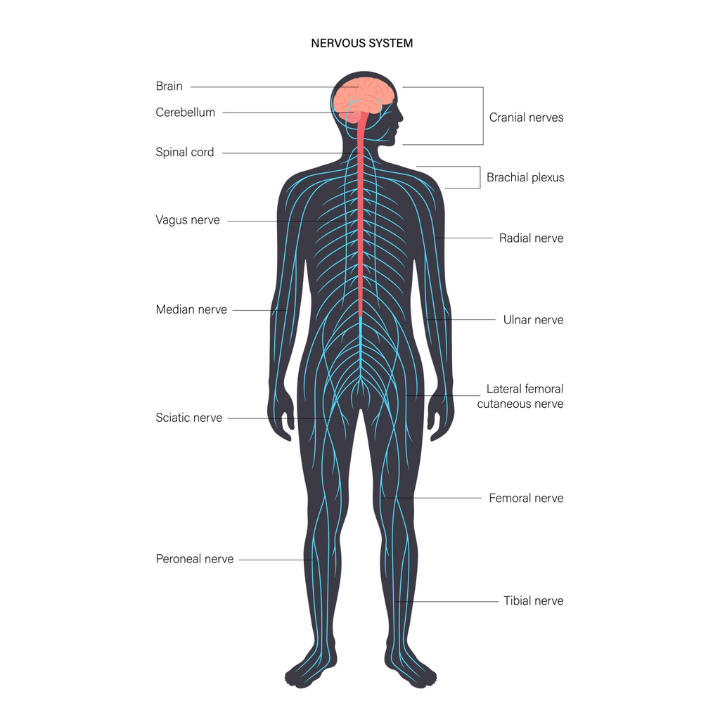
To understand how this pharmacological intervention facilitates clinical treatment, it is necessary to examine the interaction between the administered medications and the patient’s neurological architecture.
Neurological Interaction and the GABA Pathway
The primary mechanism of action for the vast majority of oral and intravenous dental sedatives, specifically the benzodiazepine classification, involves the biological enhancement of gamma-aminobutyric acid (GABA). GABA serves as the primary inhibitory neurotransmitter within the human brain.
When a specialized dental sedative is administered, the active pharmaceutical molecules cross the blood-brain barrier and bind to highly specific receptor complexes located on the neurons. This binding action fundamentally alters the cellular structure, facilitating a massive, rapid influx of chloride ions into the nerve cells. This physiological event hyperpolarizes the neuron, drastically reducing total neuronal excitability.
Inhibiting electrical conduction across the cerebral cortex, the medication effectively blocks the transmission of acute stress and fear signals.
Primary Physiological Manifestations
This targeted neurological depression yields several distinct physiological outcomes that are highly advantageous during complex oral procedures:
- Profound Anxiolysis: The complete pharmacological suppression of psychological fear and autonomic systemic anxiety, resulting in a state of absolute physical calm.
- Altered Pain Perception (Analgesia): While the clinical operator must still administer localized anesthetics to block direct nerve conduction at the surgical site, the central sedative fundamentally alters the brain’s processing of nociceptive (pain) signals. This drastically elevates the patient’s overall pain threshold.
- Anterograde Amnesia: Many sedative agents induce a temporary neurological blockade of short-term memory consolidation. Consequently, patients frequently possess zero cognitive recollection of the clinical procedure, the surgical sounds, or the clinical environment upon total recovery.
- Autonomic Reflex Suppression: The medication significantly dampens hyperactive autonomic responses. The most critical clinical benefit is the suppression of an aggressive pharyngeal reflex (gag reflex), which is an absolute requirement for facilitating uninterrupted surgical access to the posterior oral cavity.
The clinical team actively transforms a potentially traumatic psychological event into a strictly managed, highly comfortable physiological resting state.
Exploring Sleep Dentistry Options
The field of dental anesthesiology provides a spectrum of pharmacological interventions designed to address varying degrees of clinical anxiety and procedural complexity.
Selecting the appropriate intervention requires a thorough evaluation of the patient’s medical history, their specific baseline anxiety levels, and the anticipated duration of the necessary oral surgery. Clinical specialists categorize these sleep dentistry options based strictly on the delivery mechanism and the resulting depth of central nervous system depression.
The primary objective across all modalities is to achieve the necessary anxiolysis (anxiety reduction) while maintaining absolute physiological safety and independent respiratory function.
Inhaled Minimal Sedation (Nitrous Oxide)
Commonly referred to as laughing gas, nitrous oxide, combined with pure oxygen, is the most frequently utilized minimal sedation technique.
- Delivery Mechanism: Administered continuously via a small nasal hood worn by the patient throughout the procedure.
- Physiological Depth: Induces a mild state of relaxation and euphoria. The patient remains completely conscious, responsive, and capable of following clinical directives.
The onset of relaxation is highly rapid. Crucially, nitrous oxide is the only sedation modality where the central nervous system depression reverses immediately upon the cessation of the gas delivery. Patients are fully capable of driving themselves home immediately following the clinical appointment.
Enteral Moderate Sedation (Oral Sedation)
Oral sedation involves the administration of a prescribed sedative-hypnotic medication, typically from the benzodiazepine classification (such as Halcion or Valium), taken before the clinical appointment.
- Delivery Mechanism: Ingested orally, usually one hour before the scheduled procedure to allow for complete gastrointestinal absorption and neurological binding.
- Physiological Depth: Induces a moderate to deep state of relaxation. Patients often feel highly drowsy and may sleep through the procedure, though they remain easily responsive to gentle physical stimulation.
Highly effective for patients with severe needle phobias who cannot tolerate intravenous lines. This modality frequently induces significant anterograde amnesia, resulting in minimal recollection of the surgical intervention. Patients absolutely require a designated escort for post-procedure transportation due to prolonged motor skill impairment.
Parenteral Deep Sedation (Intravenous Sedation)
Intravenous (IV) sedation is the most advanced form of conscious sedation utilized in an outpatient clinical setting. It requires specialized certification and continuous electronic physiological monitoring.
- Delivery Mechanism: The sedative medication is administered directly into the patient’s bloodstream via an intravenous line, typically placed in the arm or the dorsal hand.
- Physiological Depth: Achieves a state of profound, deep relaxation bordering on the edge of unconsciousness. The patient remains completely unaware of the clinical environment but maintains independent protective airway reflexes.
The direct intravenous route allows the administering specialist to titrate the medication continuously. This ensures the exact desired depth of sedation is achieved immediately and maintained precisely throughout complex, multi-hour surgical procedures like full-mouth implant placement.
Patient Suitability & Knowing What Benefits Who Benefits the Most?
The integration of pharmacological sedation is not universally required for all dental interventions.
Clinical specialists utilize highly specific diagnostic criteria to determine patient suitability. The primary objective is to match the appropriate level of central nervous system depression to the patient’s physiological baseline, psychological profile, and the anticipated surgical complexity.
While sedation is a primary tool for managing fear, its clinical applications extend significantly beyond simple anxiety reduction.
Diagnostic Criteria for Sedation Administration
The following table details the specific clinical presentations and patient profiles that derive the most significant medical benefit from sedation protocols:
| Clinical Presentation / Patient Profile | Physiological or Psychological Challenge | Therapeutic Rationale for Sedation |
| Severe Dentophobia | Acute autonomic stress response, characterized by hyperventilation and tachycardia upon entering the clinical environment. | Induces profound anxiolysis, blocking the physiological fear response and allowing the patient to remain completely still during precise surgical interventions. |
| Hyperactive Pharyngeal Reflex | Severe, involuntary gagging that physically prevents access to the posterior oral cavity and compromises airway safety. | Pharmacological depression of the central nervous system significantly blunts the gag reflex, ensuring unobstructed surgical access and preventing aspiration. |
| Complex Surgical Requirements | The necessity for extensive procedures, such as full-mouth extractions or multiple implant placements, requires prolonged chair time. | Facilitates the completion of multi-hour procedures in a single appointment. The resulting anterograde amnesia prevents the patient from experiencing psychological fatigue or physical restlessness. |
| Hypersensitive Nociception | A genetically or psychologically lowered threshold for pain, rendering standard localized anesthetics insufficiently effective. | Alters the brain’s central processing of pain signals, working synergistically with local anesthetics to ensure absolute clinical comfort and profound analgesia. |
| Sensory Processing Sensitivities | Severe distress triggered by the specific auditory, visual, and olfactory stimuli present within a standard dental operatory. | Dampens the neurological reception of sensory inputs, preventing sensory overload and maintaining patient cooperation throughout the clinical procedure. |
Before the administration of any sedative agent, the clinical team must conduct a rigorous pre-anesthetic evaluation. This mandatory assessment reviews the patient’s complete medical history, current pharmacological prescriptions, cardiopulmonary status, and baseline vital signs to definitively clear them for the selected sedation modality. Systematically identifying the correct candidates, dental professionals ensure that the intervention is both highly effective and absolutely safe.
Why Choose DDC Smiles for Pain-Free Care
Administering pharmacological sedation requires strict adherence to medical safety protocols and specialized clinical environments. DDC Smiles operates as a premier dental hospital, uniquely equipped to manage patients requiring specialized anxiety interventions in Bangalore.
The institution provides several definitive clinical advantages specifically suited for sedation dentistry:
- Hospital-Grade Infrastructure: Operating far beyond a standard clinic, the facility implements a rigorous six-step sterilization protocol utilizing advanced Class B Autoclaves. This ensures absolute biological safety during complex surgical interventions.
- Advanced Clinical Monitoring: The safe administration of sedatives requires precise physiological tracking. The facility is fully equipped with continuous vital sign monitoring systems mandated for moderate and deep sedation protocols.
- Specialized Medical Expertise: The clinical staff, led by Dr. H.J. Jaikrishna, comprises highly credentialed MDS specialists. This multi-specialty team possesses the specific training required to manage severe dentophobia and execute complex, multi-hour procedures efficiently.
Featuring on-site Dental CBCT (PaX-i3D) and Digital OPG imaging, the diagnostic center allows patients to complete all necessary preliminary assessments under one roof, entirely eliminating the psychological stress of traveling to external imaging facilities.
Conclusion
Severe dental anxiety no longer requires patients to sacrifice their oral and systemic health. The integration of advanced sedation dentistry provides a highly controlled, safe, and effective pathway to receive necessary medical care without physiological distress. By utilizing targeted pharmacological interventions, clinical specialists can neutralize fear and ensure a state of profound physical calm.
Patients avoiding necessary evaluations due to clinical apprehension should immediately explore these specialized protocols. Consult directly with the specialists at DDC Smiles to discuss your specific psychological barriers and establish a personalized, anxiety-free treatment plan.
