

Root Canal Treatment in HSR Layout, Bangalore
Root Canal Treatment in HSR Layout: Everything You Need to Know Before Your Appointment
A persistent toothache, sensitivity to hot or cold that lingers, or a swollen gum around a single tooth is usually a sign that the nerve inside the tooth is inflamed or infected. In most of these cases, a root canal treatment in HSR Layout is what saves the tooth from extraction. If you are weighing your options, this guide from DDC Smiles, a trusted dental clinic in HSR Layout and Koramangala, walks you through the procedure, pain levels, cost, recovery, and what to look for in an endodontist before booking.
Root canal therapy is one of the most commonly misunderstood dental procedures. Thanks to outdated stories, many patients still delay it, often until the pain forces them into an emergency visit. With modern techniques, including dental operating microscopes and rotary endodontic files, a single visit is often enough to relieve the pain and preserve the tooth for decades.
- Removal of inflamed or infected Tooth Material.
- Cleaning and disinfection.
- Fill and seal with an inert material.
- Restoration and crown/cap.

Enhanced confidence

Experience the Refreshing Breeze

Excellent Dental Care
What a Root Canal Treatment Actually Does
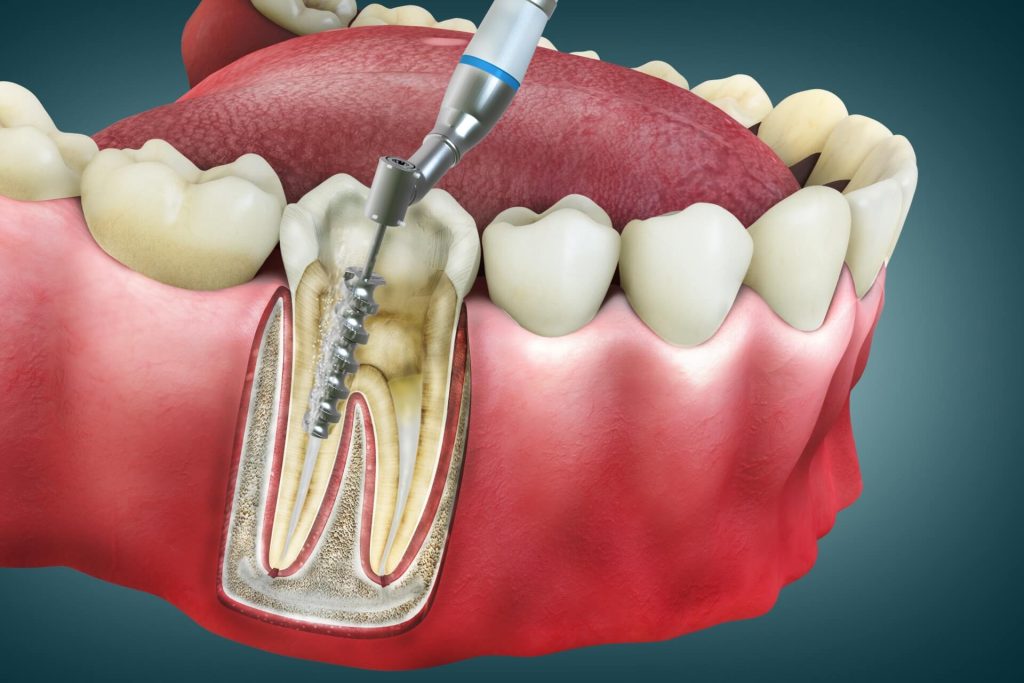
A root canal is a treatment that removes infected or inflamed pulp from inside the tooth, cleans and shapes the root canal system, and then seals it to prevent reinfection. The crown of the tooth is then restored, usually with a filling and a crown, so the tooth can function normally again.
The procedure is not the cause of pain. It is the cure for it. The pain people associate with root canals is almost always the pain of the infected tooth itself, not the treatment. When done by an experienced endodontist using local anaesthesia, the procedure is comfortable and is comparable to getting a deep filling.
You can read more about the clinical process on the dedicated root canal treatment in Koramangala service page.
When You Actually Need a Root Canal
Not every toothache calls for a root canal. The procedure is specifically indicated when the pulp inside the tooth is infected or irreversibly inflamed. Common symptoms include:
- Severe, throbbing toothache, especially while chewing or at night
- Lingering sensitivity to hot or cold that does not settle within a few seconds
- Darkening or discolouration of a single tooth
- A small bump or pimple on the gum near a painful tooth
- Swelling of the face or gum around one tooth
- A deep cavity that has reached close to the nerve on X-ray
If you have any two of these symptoms together, it is worth consulting an endodontist in HSR Layout sooner rather than later. Early intervention usually means a single-sitting procedure. Delaying it often leads to an abscess, swelling, and the need for an extraction or apicoectomy.
According to the American Association of Endodontists, modern root canal treatment has a success rate of over 95 per cent when performed by a trained specialist, and a properly restored tooth can last a lifetime.
The Root Canal Procedure Step by Step
Here is what to expect at a well-equipped clinic such as DDC Smiles in Sector 6, HSR Layout.
Step 1: Diagnosis and X-ray
The endodontist examines the tooth and takes a digital X-ray or, for complex cases, a CBCT scan to assess the number of canals, their shape, and any periapical infection. DDC Smiles uses in-house digital radio visuography and dental CBCT for accurate diagnosis without sending patients to external scan centres.
Step 2: Local Anaesthesia
The area around the tooth is numbed completely. Modern anaesthetic techniques mean you should feel pressure but no pain during the procedure.
Step 3: Isolation
A rubber dam is placed around the tooth to keep it dry and free from saliva, which improves outcomes and prevents accidental swallowing of instruments.
Step 4: Access and Cleaning
A small opening is made through the crown of the tooth. The infected pulp is removed, and the canals are cleaned, shaped, and disinfected using rotary endodontic files under magnification from a dental operating microscope.
Step 5: Filling the Canals
The cleaned canals are filled with a biocompatible material called gutta percha and sealed with a medical cement.
Step 6: Final Restoration
A permanent filling is placed. Molar and premolar teeth, which take the brunt of chewing force, usually need a crown afterwards to protect against fractures. The crown is placed in a separate appointment after the tooth has settled.
Is a Root Canal Painful?
This is the single most common concern we hear from patients walking into our HSR Layout clinic. The honest answer is that modern root canal treatment in HSR Layout is a comfortable procedure. Most patients report that the treatment itself is far less painful than the toothache that brought them in.
Mild tenderness or sensitivity in the treated tooth is common for two to three days afterwards. This responds well to over-the-counter pain relief such as paracetamol or ibuprofen and settles on its own. If pain is severe or persistent beyond a few days, it should be reviewed by your dentist in HSR Layout.
Single Sitting vs Multiple Visit Root Canal
Depending on the condition of the tooth, your endodontist will recommend one of two approaches.
| Approach | When it is used | Typical duration |
|---|---|---|
| Single sitting root canal | Minimal infection, clear canals, no active abscess | 60 to 90 minutes in one appointment |
| Multiple visit root canal | Active infection, abscess, curved or calcified canals, retreatment cases | Two to three appointments spaced a week apart |
A single sitting root canal in HSR Layout is possible for most front teeth and straightforward molar cases, provided the infection is not actively draining. Complex cases involving curved canals or retreatment often benefit from a multi-visit approach that allows time for medicated dressings between sessions.
Cost of Root Canal Treatment in HSR Layout
The cost of a root canal in HSR Layout, Bangalore varies depending on the tooth, the number of canals, and whether a crown is required. Front teeth are simpler and cheaper. Molars have three or four canals and take longer, so they cost more.
Factors that influence the final cost include:
- Tooth type and number of canals
- Whether the case is a primary RCT or a retreatment
- Use of advanced tools such as dental operating microscope and rotary endodontics
- Whether a post and core build-up is required
- Type of crown placed afterwards, such as PFM, zirconia, or e.max
For transparent pricing, DDC Smiles publishes a complete price list on the website. An accurate quote is shared after your clinical examination and X-ray, since symptoms alone cannot determine the full complexity.
What Happens If You Delay a Root Canal
Many patients in HSR Layout and across Bangalore postpone root canal treatment, hoping the pain will settle on its own. It rarely does. Untreated pulp infection leads to:
- Abscess formation and swelling of the face
- Bone loss around the root tip
- Spread of infection to adjacent teeth or sinuses
- Eventual loss of the tooth
- A more complex and expensive treatment plan, such as extraction followed by implant or bridge
Early intervention through a preventive dentistry check-up is always cheaper, faster, and kinder to the tooth than waiting for an emergency.
How to Choose the Right Endodontist in HSR Layout
Not every general dentist is equipped to manage every root canal case. Complex molar cases, calcified canals, and retreatments benefit significantly from an endodontist, which is a dentist who has completed postgraduate training in root canal therapy.
When choosing an endodontist in HSR Layout, look for:
- MDS qualification in Conservative Dentistry and Endodontics
- Use of a dental operating microscope for better visibility
- Rubber dam isolation as standard practice
- Rotary endodontic files rather than hand files alone
- In-house digital imaging and CBCT for accurate diagnosis
- Transparent pricing and a clear treatment plan upfront
At DDC Smiles, Dr. Abhishek, MDS (Conservative Dentistry, Endodontics and Esthetic Dentistry) leads endodontic cases, with the wider team led by Dr. HJ Jaikrishna, MDS, Managing Director of DDC Smiles Koramangala and HSR Layout, who brings over two decades of clinical experience.
Aftercare: Looking After Your Tooth Once the Root Canal Is Done
A root canal treated tooth needs to be looked after like any other tooth, with one important addition: it needs a crown in most posterior cases to protect it from fracture. Follow these aftercare basics:
- Avoid chewing on the treated side until the final restoration is placed
- Take any prescribed antibiotics or pain relief as directed
- Rinse gently with warm salt water for 48 hours
- Brush twice daily with a soft brush and floss gently
- Return for the permanent crown within two to three weeks
- Attend six-monthly check-ups and professional cleaning
Routine six-monthly follow-ups with your dental clinic in HSR Layout help catch any problem early.
Why Patients in HSR Layout Choose DDC Smiles for RCT
Our HSR Layout branch is located at Sector 6 and is designed to handle everything from routine endodontics to complex retreatment cases under one roof. Patients across HSR Sectors 1 to 7 and surrounding areas such as BTM, Koramangala, Bommanahalli, and Sarjapur Road rely on us for:
- Dedicated endodontist with MDS qualification
- Dental operating microscope for precision in narrow canals
- Single visit root canals where clinically appropriate
- In-house CBCT and digital X-ray for faster diagnosis
- Class B autoclave sterilisation and strict infection control
- Transparent pricing and EMI options on higher-value treatments
- Emergency dental appointments for severe toothache
- Open Monday to Saturday from 10:00 am to 8:00 pm, closed Sunday
HSR Layout Branch Details
- Address: #9, Katha No 47/9, Jai Plaza Symphony, 9th Main, Sector 6, HSR Layout, Bangalore, Karnataka, 560102
- Phone: +91 80-2572 3661 or +91 81055 37633
- Timings: Monday to Saturday, 10:00 am to 8:00 pm
- Sunday: Closed
Conclusion
A root canal treatment in HSR Layout is nothing to fear and everything to act on quickly. Modern endodontics, performed by a qualified specialist with the right magnification and isolation tools, is comfortable, predictable, and highly successful. The real risk lies in delay. The sooner you address a dying or infected pulp, the more likely it is that your natural tooth can be saved for a lifetime.
If you have been putting off a dental appointment because of pain, sensitivity, or an old filling that has started to ache again, book a consultation with DDC Smiles at our HSR Layout clinic. A clinical examination and an X-ray will tell you whether a root canal is actually needed, and what the most cost-effective path forward is.
Symptoms for which Root Canal Treatment is Required
- Ongoing and severe pain, particularly when chewing or putting pressure on the tooth.
- Heightened sensitivity to hot or cold temperatures that persists even after the source of temperature is removed.
- Swelling and tenderness in the gums surrounding the affected tooth.
- Discoloration or darkening of the tooth, which may suggest damage to the pulp within.
- Discomfort or pain when chewing, biting, or applying pressure on the tooth.
- Pain that radiates from one area of the mouth to another, potentially indicating nerve involvement.
Brighten Your Smile with Pola Tooth Whitening
Your smile deserves exceptional attention. Choose our advanced Pola Tooth Whitening system to achieve a brighter appearance quickly.
Benefits of Root Canal Treatment
Root Canal Treatment offers several benefits including:
- Relieves intense tooth pain by eliminating infected pulp.
- Preserves the original tooth structure, thus preventing the need for extraction.
- Prevents the spread of infection to nearby tissues.
- Restores normal functions of biting, chewing, and speaking.
- Keeps natural teeth intact, avoiding potential complications.
- Maintains jawbone integrity by retaining the natural tooth.
- Helps preserve a natural appearance and smile.
- Offers long-term cost savings compared to extraction and replacement alternatives.
- Lowers the risk of developing painful dental abscesses.
- With proper care, a treated tooth can last a lifetime.

Get Started Today!
Unlock the benefits of expert dental care today.
Get in Touch with Us
Your Trusted Partner in Dental Care
Ready to take the next step toward a healthier smile? Contact us now to schedule your appointment.