

Tooth Extraction
Understanding the Importance of Tooth Extraction
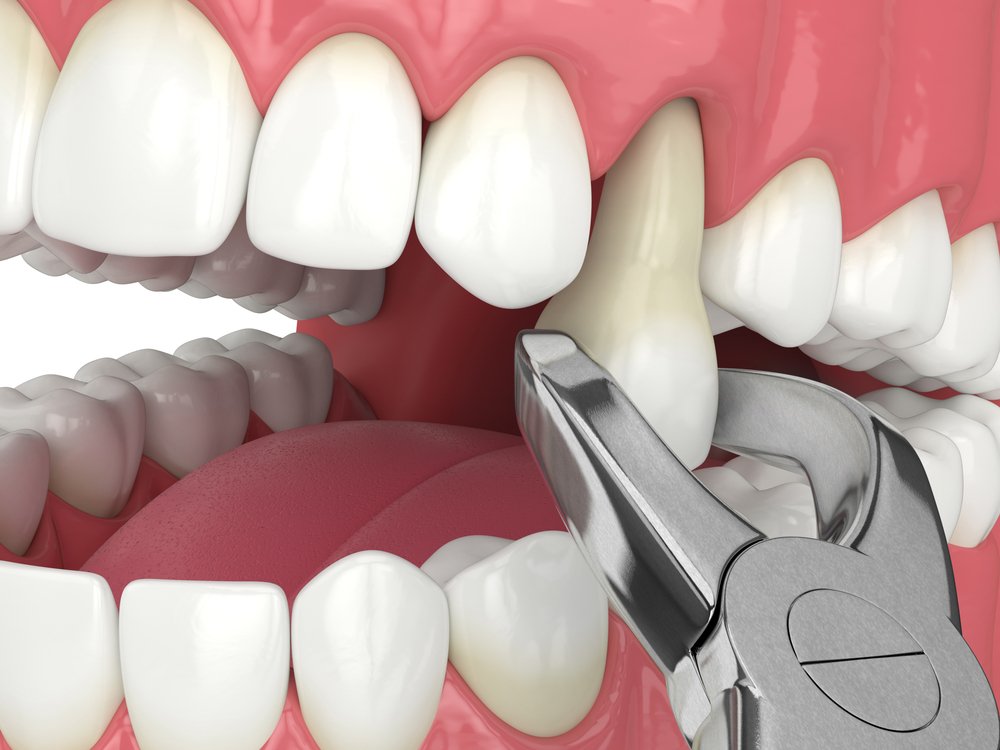
Tooth extraction is often necessary when a tooth is too damaged to be saved. Whether it’s due to severe decay, advanced gum disease, or trauma, removing the tooth can prevent further complications and protect your overall oral health. In some cases, teeth may also need to be removed in preparation for orthodontic treatment or because they are poorly positioned, such as impacted wisdom teeth. While extraction may seem daunting, modern dental techniques make the procedure efficient and comfortable, ensuring a smooth recovery.

Enhanced confidence

Experience the Refreshing Breeze

Excellent Dental Care
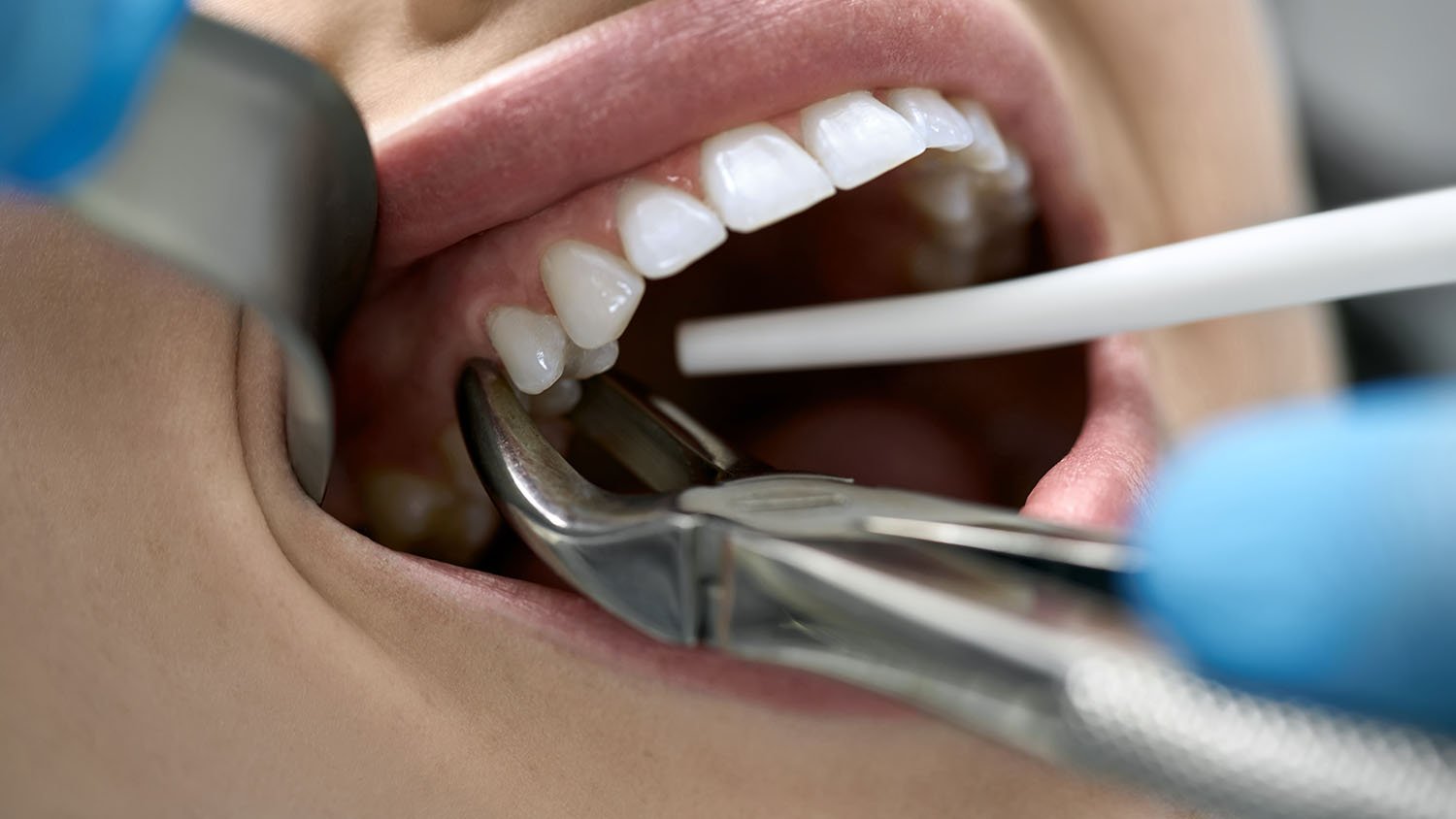
There are a number of reasons why a tooth extraction is needed:
- The tooth is severely decayed
- Advanced periodontal disease ("gum disease")
- The tooth may be broken such that it cannot be repaired
- Other teeth may need removal because they are poorly positioned in the mouth (such as impacted wisdom teeth) preparation for orthodontic treatment ("braces")
Brighten Your Smile with Pola Tooth Whitening
Your smile deserves exceptional attention. Choose our advanced Pola Tooth Whitening system to achieve a brighter appearance quickly.
Procedure for Tooth Extraction
First Evaluation and Diagnosis
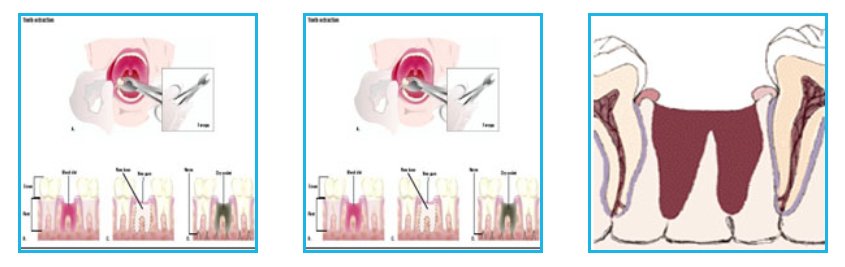
An oral examination to determine if a tooth extraction is really warranted X-ray(s) may be taken of the tooth to evaluate both the internal aspects of the tooth, the tooth root and bone Relevant medical history are recorded. Do ensure that you report to your dentist any problems with any previous tooth extractions, bleeding problems, medical conditions or allergies to medications and supplements.
Site Tooth Preparation
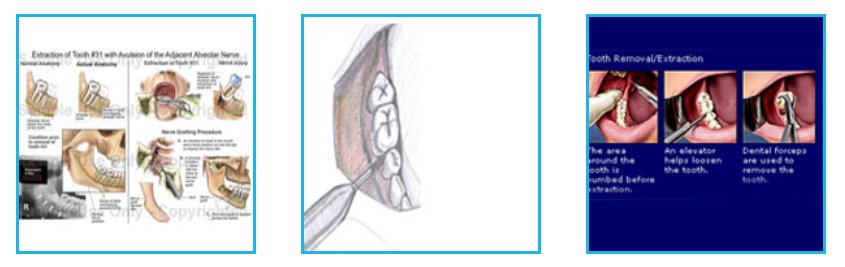
Local anesthetize is given to "numb up" the tooth, jawbone and surrounding gums
Tooth Removal
Local anesthetize is given to "numb up" the tooth, jawbone and surrounding gums
Postcare Instructions after Tooth Extractions
- Bite the gauze firmly for a full half hour to stop bleeding. If bleeding persists, change to new gauze and continue biting firmly until the bleeding stops
- Do not use mouthwash for six hours after oral surgery
- If mild bleeding occurs, hold cold salt water in the mouth until it warms to body temperature Do not rinse for 12 hours
- After 12 hours you may rinse with a solution of teaspoonful of salt in a glass of warm water
- Brush your teeth as usual, but do not brush the wound
- Take only soft, non-spicy and cold foods, if possible, for 2- 3 days
- Avoid smoking and alcohol
- Mild pain can be controlled with pain relieve medications as directed by your dentist
Effects of Missing Teeth
When a tooth is missing its neighboring teeth will tend to shift, sometimes significantly, which in turn can have a major impact on your dental health. Even the removal of a single tooth can lead to problems related to your chewing ability, problems with your jaw joint, and the problem of a possibility that the surrounding teeth of predispose the teeth may shifted.
To avoid these complications, in most cases, your dentist will probably recommend to you to replace the tooth that has been extracted. Restorations for missing teeth includes:
- Dental Bridges
- Dental Implants
- Dentures
Get Started Today!
Unlock the benefits of expert dental care today.
Get in Touch with Us
Your Trusted Partner in Dental Care
Ready to take the next step toward a healthier smile? Contact us now to schedule your appointment.