




Have you ever wondered what really happens when you visit the dentist for a simple checkup? Many people delay their appointments because they are unsure about the process, even though a routine dental checkup is one of the easiest and most effective ways to protect long-term oral health.
When we visit a dentist for a dental checkup, the goal is not just to clean teeth but to carefully examine the entire mouth and detect early signs of problems such as cavities, gum disease, or even periodontitis.
As a trusted dental clinic in Koramangala and a dental clinic in HSR Layout, we make sure that the process is comfortable, systematic, and designed to keep your smile healthy for years.
By the end of this guide, you will clearly understand what happens during each step of a dental visit and why regular checkups are so important for your oral health.
Key Points at a Glance
- A Routine dental checkup helps detect dental problems early.
- Dentists perform a detailed oral examination of teeth, gums, tongue, and throat.
- An oral cavity examination checks for cavities, infections, or abnormal tissue changes.
- Dental X-rays may be taken to detect hidden issues such as bone loss or decay between teeth.
- Professional cleaning removes plaque and tartar buildup.
- Dentists check for signs of Gum disease and advanced conditions like Periodontitis.
- Preventive treatments such as fluoride may be recommended.
- A regular dental checkup every six months helps maintain long-term oral health.
Why Routine Dental Checkups Are Important
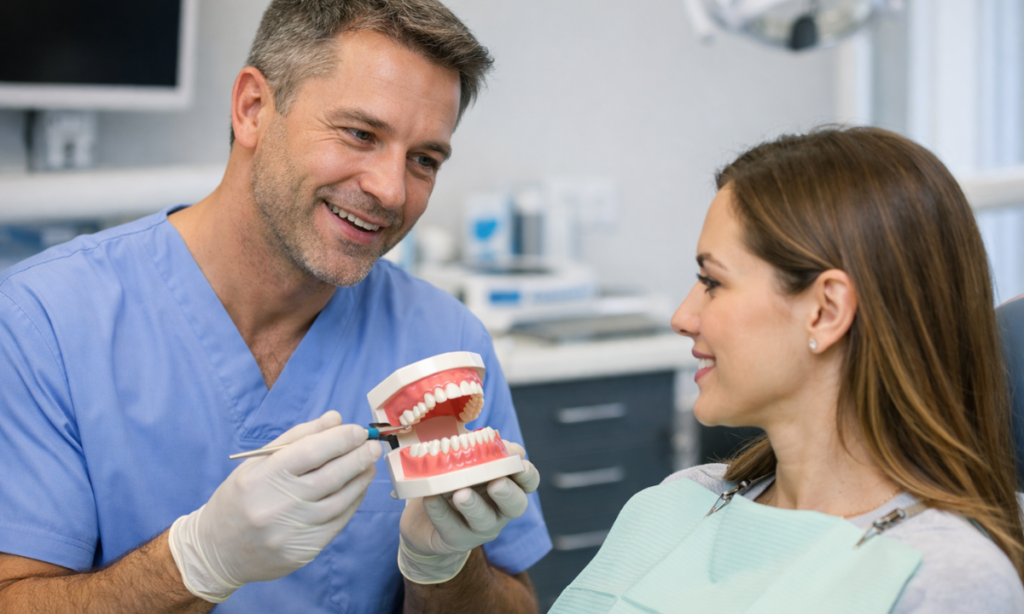
Many dental problems begin silently. Small cavities, gum inflammation, and plaque buildup may not cause pain in the early stages.
A regular dental checkup helps us detect these issues early before they turn into serious problems. Early treatment can prevent tooth damage, gum infections, and expensive dental procedures later.
Routine visits also help maintain good oral hygiene through professional cleaning and personalized advice from the dentist.
Step-by-Step: What Happens During a Routine Dental Checkup
During a routine dental checkup, the dentist carefully examines different aspects of your oral health to make sure everything is functioning properly.
A dental visit follows a structured process that focuses on both prevention and early detection. Each step is designed to identify potential problems early and keep your teeth and gums healthy in the long run.
Let’s look at each step in detail.
Step 1: Medical History and Initial Discussion

The first step usually involves a brief discussion with the dentist. This conversation helps the dentist understand your overall health and identify any concerns that might affect your teeth or gums. It also allows you to share any symptoms or changes you may have noticed since your last visit.
We talk about:
- Any pain or discomfort in the mouth
- Previous dental treatments
- Medical conditions that may affect oral health
- Medications being taken
This information helps the dentist understand your overall health and plan the checkup accordingly.
Step 2: Comprehensive Oral Examination
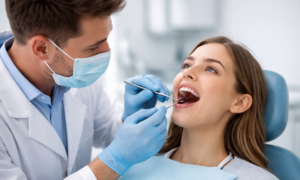
The dentist then performs a detailed oral examination.
This involves checking the teeth, gums, tongue, inner cheeks, and throat
The purpose of this oral cavity examination is to identify signs of:
| Dental Issue | What the Dentist Looks For |
| Cavities | Small holes or weak enamel |
| Gum disease | Redness, swelling, bleeding |
| Plaque buildup | Sticky bacterial film |
| Tartar | Hardened plaque deposits |
| Oral infections | Sores or abnormal tissues |
This step is essential for identifying early warning signs before they become serious.
Step 3: Checking for Gum Disease
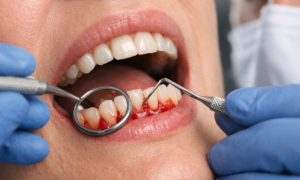
Gum health plays a major role in overall oral health. During the checkup, the dentist carefully examines the gums.
They look for symptoms of Gum disease, including:
- Bleeding gums
- Swollen or tender gums
- Receding gum lines
- Bad breath
If untreated, gum disease can develop into periodontitis, a serious condition that damages the bone supporting the teeth.
Early detection during a dental checkup can prevent long-term complications.
Step 4: Dental X-Rays (When Needed)
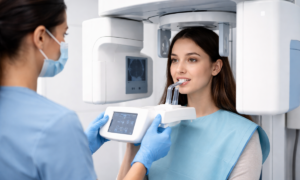
Dental X-rays are sometimes recommended during a routine dental checkup.
They help detect problems that cannot be seen during a visual examination.
| What X-Rays Detect | Why It Matters |
| Cavities between teeth | Prevents hidden decay |
| Bone loss | Indicates advanced gum disease |
| Impacted teeth | Helps plan treatment |
| Hidden infections | Detects deep dental issues |
These images allow dentists to diagnose problems early and plan the right treatment.
Step 5: Professional Dental Cleaning

After the examination, a dental hygienist performs a professional dental cleaning. This step focuses on removing plaque and tartar that cannot be cleaned with regular brushing and flossing at home.
This process includes scaling, where special tools are used to remove plaque and hardened tartar from the teeth and below the gum line. Professional cleaning also helps polish the teeth and keep the mouth feeling fresh and healthy.
Professional cleaning helps:
- Reduce bacterial buildup
- Prevent gum infections
- Improve overall oral hygiene
Even people who brush regularly benefit from professional cleaning during a regular dental checkup.
Step 6: Polishing and Flossing

Once plaque and tartar are removed, the teeth are polished using a special paste. The dentist or hygienist uses a rotating polishing tool with a gentle abrasive paste to clean the outer surfaces of the teeth. This process not only enhances the shine of the teeth but also makes it harder for plaque to stick to them.
This step helps improve the appearance of the teeth and makes the tooth surface smoother. Polishing also removes minor stains caused by food, beverages, or plaque buildup.
Polishing helps:
- Remove surface stains and discoloration
- Smooth the tooth surface
- Reduce plaque accumulation
The hygienist also flosses between the teeth to remove any remaining debris.
This step leaves the mouth feeling fresh and clean.
Step 7: Preventive Dental Treatments

Depending on your oral health, the dentist may recommend preventive treatments. These treatments are designed to strengthen the teeth and protect them from future dental problems such as cavities and enamel damage.
Preventive care is an important part of maintaining long-term oral health. By addressing small risks early, dentists can help reduce the chances of more complex dental treatments in the future.
Common preventive treatments include:
| Treatment | Purpose |
| Fluoride treatment | Strengthens enamel |
| Dental sealants | Protects teeth from cavities |
| Oral hygiene advice | Improves daily dental care |
These preventive measures help protect teeth and reduce the risk of future dental issues.
Step 8: Consultation and Oral Health Advice
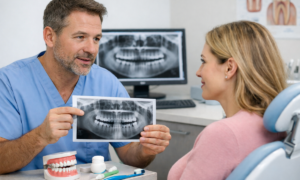
At the end of the appointment, the dentist reviews your oral health condition. This is an important part of the visit because it helps you understand the current state of your teeth and gums. It also allows you to ask questions about any concerns related to your oral health.
The dentist may also explain the findings from the examination and suggest simple steps you can follow to improve your daily dental care routine. This guidance helps you maintain better oral hygiene between dental visits.
They may discuss:
- X-ray results
- Gum health status
- Signs of tooth decay
- Proper brushing and flossing techniques
- Diet recommendations for healthy teeth
This consultation ensures that you leave the clinic with clear guidance on maintaining healthy teeth and gums.
How Often Should You Get a Dental Checkup?
Most dentists recommend a regular dental checkup every six months. Regular visits help detect dental problems early and keep your teeth and gums in good condition.
However, the ideal frequency of dental visits can vary depending on your oral health and lifestyle habits. Some individuals may require more frequent checkups to monitor specific dental conditions or ongoing treatments.
Some people may need more frequent visits if they have:
- Gum disease
- Frequent cavities
- Orthodontic treatments
- Medical conditions affecting oral health
Your dentist will recommend the best schedule based on your individual needs.
Tips to Maintain Good Oral Health Between Checkups
Even though professional care is important, daily habits play a big role in dental health.
Here are some simple tips we always recommend:
- Brush teeth twice a day using fluoride toothpaste
- Floss daily to remove food particles
- Limit sugary foods and drinks
- Drink plenty of water
- Avoid smoking or tobacco use
- Visit the dentist every six months
These habits help keep your teeth strong and reduce the risk of gum disease and periodontitis.
Final Thoughts
A routine dental checkup is one of the most effective ways to maintain long-term oral health and prevent serious dental issues. Regular visits allow dentists to perform a detailed oral examination, detect early signs of gum disease, and prevent advanced conditions like periodontitis.
If you are looking for expert dental care, visiting a trusted dental hospital in Koramangala and HSR Layout ensures that your oral health is in safe hands, which also means you receive professional cleaning, preventive care, and personalized guidance for maintaining a healthy smile.
At DDC Smiles, the dental clinic in Koramangala and the dental clinic in HSR Layout, the focus is always on providing comfortable, preventive dental care so that every patient can maintain strong teeth and healthy gums for life. Regular checkups today can help you avoid major dental problems tomorrow.
Frequently Asked Questions
1. Does a routine dental checkup hurt?
No, a Routine dental checkup is generally painless and comfortable for most people. During the visit, the dentist performs a gentle oral examination and a professional cleaning to remove plaque and tartar.
You might feel slight pressure or mild sensitivity while the hygienist cleans certain areas, especially near the gums, but it is usually not painful. The procedure is designed to protect your teeth and prevent dental problems.
2. How long does a dental checkup take?
A standard dental checkup usually takes about 30 to 60 minutes, depending on your oral health condition and the procedures required. The visit typically includes an oral examination, professional cleaning, and sometimes dental X-rays.
If the dentist needs to examine specific concerns or provide preventive treatments like fluoride, the appointment may take slightly longer. Regular checkups are usually quick and help prevent more complex treatments later.
3. Are dental X-rays safe?
Yes, dental X-rays are considered very safe and are commonly used to detect dental issues that cannot be seen during a visual examination. Modern dental clinics use digital X-rays that emit very low levels of radiation.
Dentists also use protective measures such as lead aprons to minimize exposure. These X-rays help identify hidden cavities, bone loss, and infections early, making them an important part of preventive dental care.
4. Can routine checkups prevent major dental treatments?
Yes, routine dental checkups play an important role in preventing serious dental problems. During a dental visit, the dentist checks for early signs of cavities, gum disease, infections, and other oral health issues. When these problems are detected early, they can often be treated quickly and easily.
Regular checkups also include professional cleaning and preventive advice, which help reduce the risk of complex and costly dental treatments later.
Reference
1. https://www.cigna.com/knowledge-center/what-happens-during-a-dental-check-up
2. https://www.healthline.com/health/dental-and-oral-health/plaque
3. https://my.clevelandclinic.org/health/treatments/16914-oral-hygiene
4. Related medical articles from Google
