


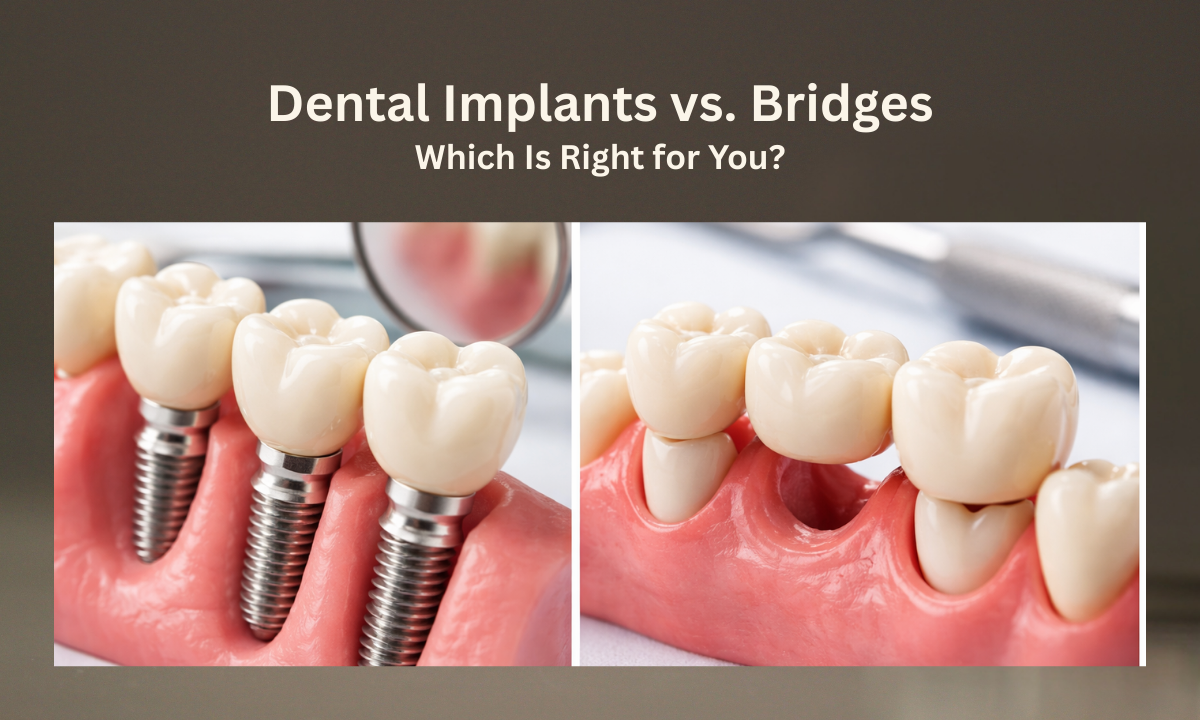
Dental Implants vs. Bridges is one of the most common comparisons I discuss with patients who are confused about replacing missing teeth and want a solution that truly fits their lifestyle.
Many people know they need a replacement, but they are unsure which option will feel comfortable, look natural, and last long enough to be worth the investment. I have seen patients delay treatment simply because they didn’t understand the difference clearly.
In this blog, I will explain the pros and cons of a dental implant and a dental bridge in simple terms, so once you understand how implants and bridges actually work, the right choice often becomes much clearer than you expect.
Medical Disclaimer:
The content provided in this blog is intended for educational purposes only and should not be considered a substitute for professional dental advice, diagnosis, or treatment. Never disregard or delay seeking professional dental care because of something you read here. Results may vary from person to person. Treatment decisions should be made after a personal consultation with a licensed dentist.
Key Points at a Glance
Before diving deep, here’s a quick overview of what this guide will help you understand:
1. What dental implants and dental bridges really mean
2. Dental implants or bridges, which is better for different situations
3. Pros and cons of dental implants vs bridges
4. Treatment process, benefits, costs, and common problems
Simple tips to help you choose the right option confidently
Understanding Missing Teeth Replacement
Losing a tooth is not just a cosmetic issue; it affects chewing, speech, and even jaw health over time. I often remind patients that missing teeth allow nearby teeth to shift, which can create bite problems and discomfort.
Choosing the right replacement early can prevent more complex treatments later. That’s why understanding your options matters so much.
What Are Dental Implants?
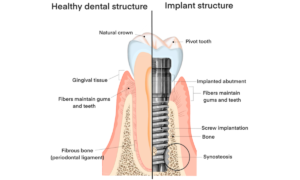
Dental implants meaning is quite straightforward when broken down into simple terms. A dental implant is an artificial tooth root, usually made of titanium, that is placed into the jawbone.
Over time, it fuses with the bone and supports a crown that looks and functions like a natural tooth. This makes implants feel stable and independent, just like real teeth.
Dental Implants Treatment: Step-by-Step Overview
Dental implant treatment happens in stages and requires proper planning.
| Step | What Happens |
| Consultation | Oral exam, X-rays, and treatment planning |
| Implant Placement | The implant is placed into the jawbone |
| Healing Phase | Bone integrates with the implant |
| Crown Placement | The final tooth is fixed on the implant |
Each stage is planned carefully to ensure comfort, safety, and long-term success.
Dental Implants Benefits You Should Know
Dental implants benefits go beyond just filling a gap.
1. They preserve jawbone health
2. They do not affect neighboring teeth
3. They offer strong chewing efficiency
4. They look and feel natural
Patients often tell me they forget which tooth is an implant after some time.
Pros and Cons of Dental Implants
I usually explain dental implants by breaking down both the advantages and limitations clearly, so patients know exactly what to expect before choosing this option.
| Pros of Dental Implants | Cons of Dental Implants |
| Replace both the tooth and the root | Higher initial cost compared to bridges |
| Preserve jawbone and prevent bone loss | Treatment time is longer due to healing |
| Do not damage nearby healthy teeth | Requires sufficient bone or grafting |
| Feel and function like natural teeth | The surgical procedure involved |
| Can last several decades with proper care | Not suitable for all medical conditions |
This table helps patients understand why implants are often seen as a long-term solution rather than a quick fix.
What Influences Dental Implants Cost?
Dental implants cost depends on several factors rather than a single fixed price. These include bone condition, number of implants, materials used, and additional procedures if required.
While implants may seem costly upfront, they often last decades with proper care.
I usually encourage patients to think of implants as a long-term investment.
Here is a quick breakdown of the dental implants cost at our dental clinic, DDC Smiles
| Number of implants | Typical cost range |
| Single implant | ₹30,000-₹60,000 |
| Implant + crown | ₹45,000-₹80,000 |
| Full arch | ₹2,00,000-₹6,00,000 per arch |
Prices may vary based on case complexity and technology used.
What Are Dental Bridges?
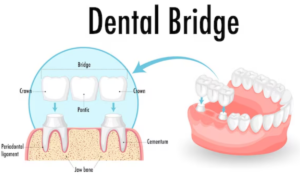
Dental bridges are fixed restorations that “bridge” the gap created by one or more missing teeth. They rely on the neighboring teeth for support, which are reshaped and crowned to hold the bridge in place.
Bridges can restore appearance and chewing fairly quickly. However, they do not replace the tooth root beneath the gums.
What Are The Dental Bridges Problems to Be Aware Of?
Dental bridge problems are important to understand before choosing this option.
1. Adjacent teeth need to be trimmed
2. Cleaning under the bridge requires extra care
3. Bridges do not prevent jawbone loss
4. They may need replacement after several years
5. These factors don’t make bridges bad, but they do influence suitability.
Pros and Cons of Dental Bridges
Dental bridges can still be a reliable option in the right situations, especially when implants are not suitable or preferred.
| Pros of Dental Bridges | Cons of Dental Bridges |
| Faster treatment compared to implants | Requires trimming of adjacent healthy teeth |
| Lower upfront cost | Does not prevent jawbone loss |
| Restores appearance and chewing quickly | Cleaning under the bridge can be difficult |
| Suitable when multiple teeth are missing in a row | May need replacement after several years |
| Non-surgical option | Can place stress on supporting teeth |
Understanding these advantages and limitations helps patients decide if bridges are a short-term or long-term solution.
Pros and Cons of Dental Implants vs Bridges
Here’s a simple comparison table I often use during consultations:
| Feature | Dental Implants | Dental Bridges |
| Tooth Support | Jawbone | Adjacent teeth |
| Bone Preservation | Yes | No |
| Lifespan | Very long | Moderate |
| Treatment Time | Longer | Shorter |
| Impact on Nearby Teeth | None | Requires trimming |
| Cost | Initially high, consider it as a long-term investment | Initially low, might need replacements later. |
As shown in the pros and cons tables above, implants focus on longevity, while bridges offer quicker results. This table alone answers many patient doubts.
Which Is Better Dental Implants or Bridges?
Dental implants or bridges, which is better, depends entirely on individual needs. If bone health, longevity, and independence matter most, implants are often preferred.
If time, cost, or medical conditions are limiting factors, bridges can still be effective.
There is no universal “best” option. only the right one for you.
Who Is a Better Candidate for Dental Implants?
Dental implants are usually ideal for patients who:
1. Have a healthy jawbone
2. Want a long-term solution
3. Can wait through the healing period
4. Prefer preserving nearby teeth
I always assess these factors before recommending implants.
When Dental Bridges Make More Sense
Dental bridges may be suitable when:
1. Multiple adjacent teeth are missing
2. Adjacent teeth already need crowns
3. Faster results are required
4. Budget constraints exist
In these cases, bridges can restore function efficiently.
Everyday Life After Implants vs Bridges
Patients often worry about eating, speaking, and maintenance after treatment.
Implants allow you to eat almost anything comfortably once healed. Bridges require careful cleaning under the artificial tooth.
Both need good oral hygiene, but implants usually feel more natural over time.
Tips to Maintain Dental Implants and Bridges
1. Brush twice daily with a soft toothbrush
2. Use interdental brushes or floss regularly
3. Avoid chewing very hard objects
4. Visit your dentist for routine checkups
Simple habits can extend the life of both options.
Dental Implants in Koramangala: What to Expect
Patients seeking dental implants in Koramangala often ask about technology and expertise. Choosing a clinic experienced in implants makes a significant difference.
Modern implant treatments use digital scans, precise planning, and minimally invasive techniques. This ensures better comfort and predictable results.
Final Thoughts
Choosing between dental implants vs. bridges should never feel rushed or confusing. I always recommend discussing your goals, health, and expectations before deciding. The right choice improves not just your smile, but your quality of life.
If you are looking for guidance at the best dental clinic in Koramangala, a personalised consultation can make all the difference.
At the end of the day, whether you choose implants or bridges, the goal is comfort, confidence, and long-term oral health, and that’s exactly what we focus on at DDC Smiles.
Frequently Asked Questions
1. Should I get a bridge or an implant?
It depends on your oral health, budget, and how long you want the solution to last. Implants are usually chosen for long-term stability, while bridges work well when quicker treatment is needed.
2. Why would a dentist not recommend an implant?
A dentist may avoid implants if there is not enough jawbone to support them or if healing could be unpredictable. Medical conditions, smoking, or untreated gum disease can also reduce success. In such cases, safer alternatives are usually suggested first.
3. Why would a dentist not recommend a bridge?
Dentists may not recommend a bridge when the neighboring teeth are completely healthy because preparing them would involve unnecessary trimming. Bridges are also avoided when bone loss is advanced, as they do not prevent further bone resorption. Over time, this can affect bite balance and overall oral health, making implants a more stable option.
4. Which is the best implant or bridge for front teeth?
For front teeth, implants are often considered the best option because they preserve bone and provide the most natural appearance. They allow better control over shape, colour, and gum contour, which is critical in visible areas. However, in certain cases where implants are not possible, a well-designed bridge can still offer good aesthetic results.
5. What is the disadvantage of a dental bridge?
The biggest disadvantage of a dental bridge is that it depends on adjacent teeth for support, which means healthy teeth may need to be reshaped. Bridges also do not replace the tooth root, so jawbone loss can continue under the missing tooth. Over time, this may lead to changes in bite, gum issues, and the need for replacement, especially if oral hygiene is not maintained carefully.
References:
1. https://ddcsmiles.in/dental-implants-in-hsr-layout-and-koramangala/
2. https://ddcsmiles.in/crown-and-bridges-treatment-in-hsr-layout-and-koramangala/
3. For price: https://ddcsmiles.in/price-list/
4. https://www.healthline.com/health/implant-vs-bridge
Resource:
Image:
1. https://www.researchgate.net/
2. https://www.youtube.com/watch?v=7ddhxcfIXqM
