


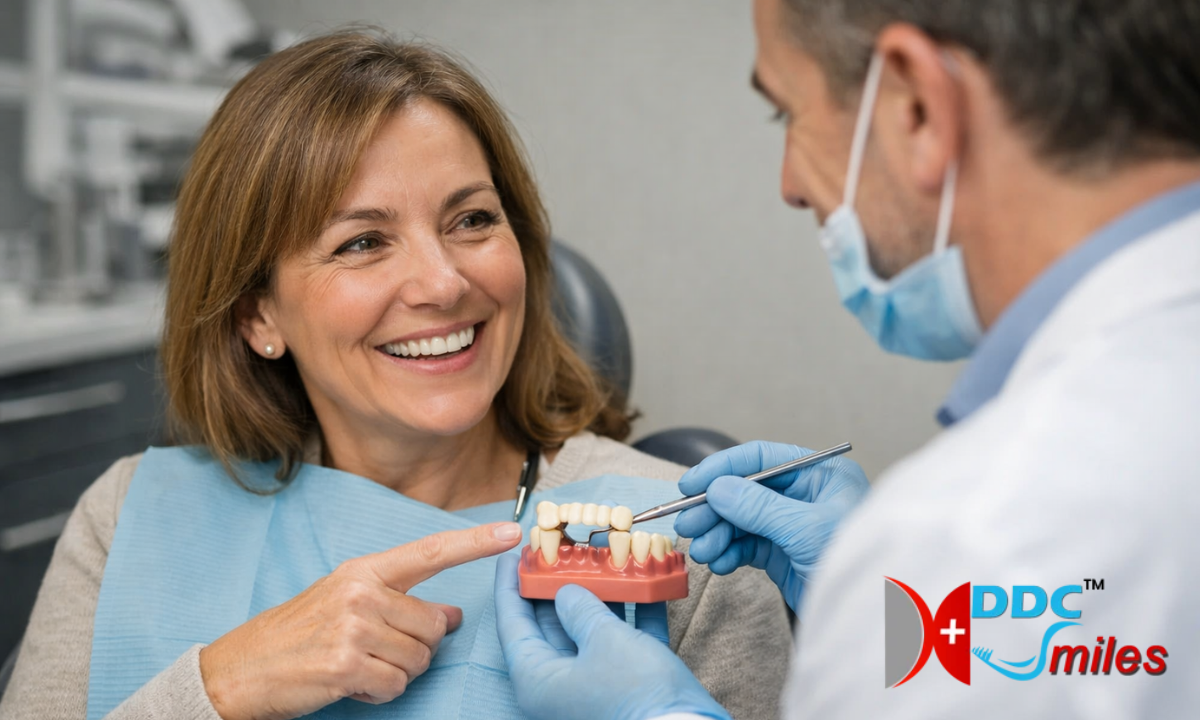
Dental Bridges are something I discuss almost every day with patients who know they are missing a tooth but are not sure what the best solution is.
Many people manage with the gap for a while, adjusting how they chew or smile, until it slowly starts affecting their confidence, speech, or comfort while eating.
What I always tell them is that replacing a missing tooth doesn’t have to be overwhelming when you clearly understand your options.
In this guide, I will walk you through when dental bridges are needed, the signs to watch for, and how this treatment can restore comfort and confidence far more easily than most people expect.
Sometimes, the solution is far simpler than the problem feels, and this guide will show you how.
Medical Disclaimer:
The content provided in this blog is intended for educational purposes only and should not be considered a substitute for professional dental advice, diagnosis, or treatment. Never disregard or delay seeking professional dental care because of something you read here. Results may vary from person to person. Treatment decisions should be made after a personal consultation with a licensed dentist.
Key Points Covered in This Blog
1. What dental bridges are and how they work
2. Why missing teeth should never be ignored
3. 10 clear signs you may need dental bridges
4. Front tooth and multiple-tooth bridge situations
5. Teeth bridge before and after changes
6. When teeth bridge replacement becomes necessary
7. Final guidance on choosing the right dental care
What Are Dental Bridges?
Dental bridges are fixed dental restorations designed to replace one or more missing teeth. I usually explain them as artificial teeth that “bridge” the gap left behind by missing teeth. These bridges are supported by neighboring teeth or dental implants, which keep them stable and functional.
Unlike removable dentures, dental bridges are fixed in place. This means they feel more natural, function better while eating, and require no daily removal.
Why Replacing Missing Teeth Is So Important
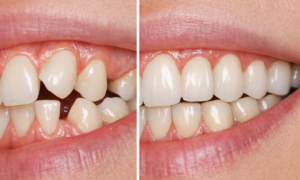
Many patients assume that losing one tooth isn’t a big issue, especially if it’s not visible. In reality, missing teeth can start a chain reaction of dental problems. Teeth around the gap begin to shift, bite alignment changes, and chewing efficiency reduces.
Over time, this can lead to jaw discomfort, uneven tooth wear, and gum issues. Dental bridges help prevent these complications by restoring balance and structure early.
10 Signs You May Need Dental Bridges

1. You Have One or More Missing Teeth
This is the most obvious sign I encounter. Even a single missing tooth can affect the way your mouth functions. Patients often adapt without realizing the strain it places on remaining teeth.
Dental bridges fill the gap and restore normal chewing and appearance. Addressing this early avoids long-term complications.
2. You Avoid Chewing on One Side
If you consciously chew on only one side of your mouth, it’s a strong indicator of imbalance. Missing teeth make chewing uncomfortable and inefficient. Over time, this habit can strain jaw muscles and joints.
Dental bridges redistribute bite pressure evenly. This makes eating more comfortable and natural again.
3. You Are Experiencing Speech Changes
Teeth play a crucial role in pronunciation. Missing teeth, especially front ones, can cause lisping or unclear speech. Patients often notice this while speaking quickly or on phone calls.
A dental bridge upper anterior restores proper airflow and tongue placement. It improves speech clarity and confidence significantly.
4. Your Teeth Are Shifting or Tilting
When a tooth is missing, surrounding teeth slowly drift into the space. I see this commonly in patients who delay replacement. This movement leads to crooked teeth and bite problems.
Dental bridges prevent unwanted shifting. They maintain proper alignment and spacing.
5. Your Smile Looks Sunken or Aged
Teeth support facial muscles. When teeth are missing, cheeks may begin to sink inward, subtly ageing the face. This change happens gradually, so many patients don’t notice it immediately.
Replacing missing teeth restores facial support. Patients often notice a refreshed appearance after treatment.
6. You Had a Tooth Extracted Months or Years Ago
Past tooth extractions often leave untreated gaps. Over time, bone loss may occur in the area of the missing tooth. This weakens overall oral structure.
Dental bridges help restore function even after delays. Early evaluation helps preserve remaining teeth and bone.
7. Your Existing Bridge Feels Loose or Worn
Teeth bridge replacement is something I frequently recommend when an old bridge no longer fits well. Over time, bridges can loosen, crack, or trap food underneath. This increases the risk of decay.
Replacing an old bridge improves comfort and hygiene. New materials also offer better aesthetics and strength.
8. You Need a Teeth Bridge Cap After Severe Tooth Damage
When a tooth is badly damaged and cannot be saved, a Teeth bridge cap may be part of the solution. Adjacent teeth can support a bridge after being protected with crowns. This is often recommended when implants aren’t suitable.
This approach restores both strength and appearance. It also prevents further dental complications.
9. You Are Missing Multiple Teeth in a Row
If you are missing more than one tooth in a row, dental bridges can fill the gap effectively and help you chew and smile normally again. A 2 teeth bridge replaces two missing teeth, while a 3 teeth bridge covers a larger gap. These bridges restore chewing efficiency and aesthetics effectively.
| Bridge Type | Teeth Replaced | Common Use Case |
| 2 teeth bridge | Two missing teeth | Short gaps |
| 3 teeth bridge | Three missing teeth | Larger gaps |
Dental bridges can support up to three or four missing teeth, but in some cases, they can support up to six teeth.
10. You have seen the Teeth Bridge Before and After Results
Many patients decide after seeing the teeth bridge before and after transformations. The improvement in smile, comfort, and facial balance is often striking. These results highlight how much missing teeth affect daily life.
Seeing real outcomes builds confidence in treatment decisions.
Dental Bridge Upper Anterior
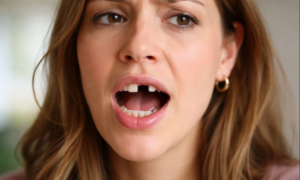
Upper front teeth are critical for both aesthetics and speech. Losing even one can impact self-esteem deeply. A dental bridge upper anterior is carefully designed to blend seamlessly with natural teeth.
I focus on shade matching, shape, and alignment to ensure a natural-looking result. The goal is a smile that feels yours.
What to Expect During Dental Bridge Treatment
Understanding the process reduces anxiety. Here’s a simplified overview:
| Step | What Happens |
| Consultation | Oral exam, X-rays, personalized plan |
| Tooth Preparation | Supporting teeth prepared |
| Impression | Accurate mould taken |
| Temporary Bridge | Protects teeth during fabrication |
| Final Placement | Permanent bridge fixed |
The procedure is planned carefully for comfort and precision.
Teeth Bridge Before and After: What Changes Can You Expect?
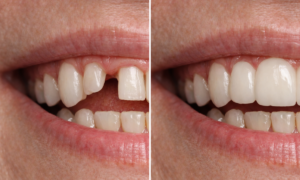
Before treatment, patients often struggle with chewing, speech, and confidence. After dental bridges, these concerns usually improve significantly. Smiles look complete, and daily activities feel effortless again.
The transformation isn’t just cosmetic; it’s functional and emotional as well.
Practical Tips If You Think You Need Dental Bridges
If you recognize any of the signs discussed, these tips can help:
1. Don’t delay professional evaluation
2. Maintain good oral hygiene
3. Avoid chewing hard foods on one side
4. Ask about all replacement options
Early care simplifies treatment and improves outcomes.
Crowns and bridges treatment in HSR Layout
Crowns and bridges treatment in HSR Layout is commonly recommended when teeth are damaged, weakened, or missing. I often guide patients through this treatment when the goal is to restore comfort, function, and a natural-looking smile by
1. Focusing on restoring missing or damaged teeth for better comfort and function
2. Helping improve chewing efficiency, speech clarity, and overall bite balance
3. Using modern materials designed to look and feel like natural teeth
4. Protecting surrounding teeth from shifting or further damage
5. Offering a fixed, long-term solution when planned and fitted correctly
When done with proper planning and care, this treatment helps patients return to everyday activities with confidence and ease.
Final Thoughts
Dental bridges play a crucial role in restoring comfort, confidence, and oral health when teeth are missing. I always believe that recognising the signs early leads to simpler, more successful treatment.
If you are seeking personalized care from the best dental clinic in HSR Layout, expert guidance can make all the difference. At the end of your dental bridge journey, our clinic, DDC Smiles, focuses on restoring smiles with precision, comfort, and care so you can enjoy everyday moments without hesitation.
Frequently Asked Questions
1. How do you know if you need a dental bridge?
You may need a dental bridge if you’re missing one or more teeth and notice difficulty while chewing, food getting stuck in the gap, changes in speech, or nearby teeth shifting. When a gap starts affecting comfort or function, it’s usually time to consider replacement.
2. Who cannot have a dental bridge?
People with severe gum disease, weak supporting teeth, or untreated dental infections may not be suitable for a dental bridge. These conditions need to be treated first to ensure long-term success.
3. Do dentists still recommend bridges?
Yes. Dentists continue to recommend dental bridges when they are clinically appropriate, especially for patients who want a fixed solution and may not be suitable for implants due to bone health, medical reasons, or personal preference.
4. Who is not a candidate for a bridge?
Patients with advanced bone loss, loose adjacent teeth, or poor oral hygiene habits may not be ideal candidates for a dental bridge. In such cases, alternative treatment options are usually explored.
5. What are the downsides of bridges?
Dental bridges may require reshaping healthy adjacent teeth for support and demand consistent oral hygiene. If not cleaned properly, food and plaque can accumulate underneath, increasing the risk of decay or gum problems.
6. What is the maximum number of teeth on a bridge?
Dental bridges can usually replace three to four missing teeth, and in select cases, they may extend up to six teeth. However, longer bridges are generally not recommended because they lack artificial roots, which can make them less stable and place extra stress on the supporting teeth.
Reference:
1. https://my.clevelandclinic.org/health/treatments/10921-dental-bridges
2. https://www.riverroaddentalbc.com/signs-you-might-need-a-dental-bridge-when-to-consult-your-dentist/
3. https://sunshinedentists.com/burke-dentist-explains-signs-you-need-a-dental-bridge/
